How to Choose Reliable Siding Companies in St. Louis
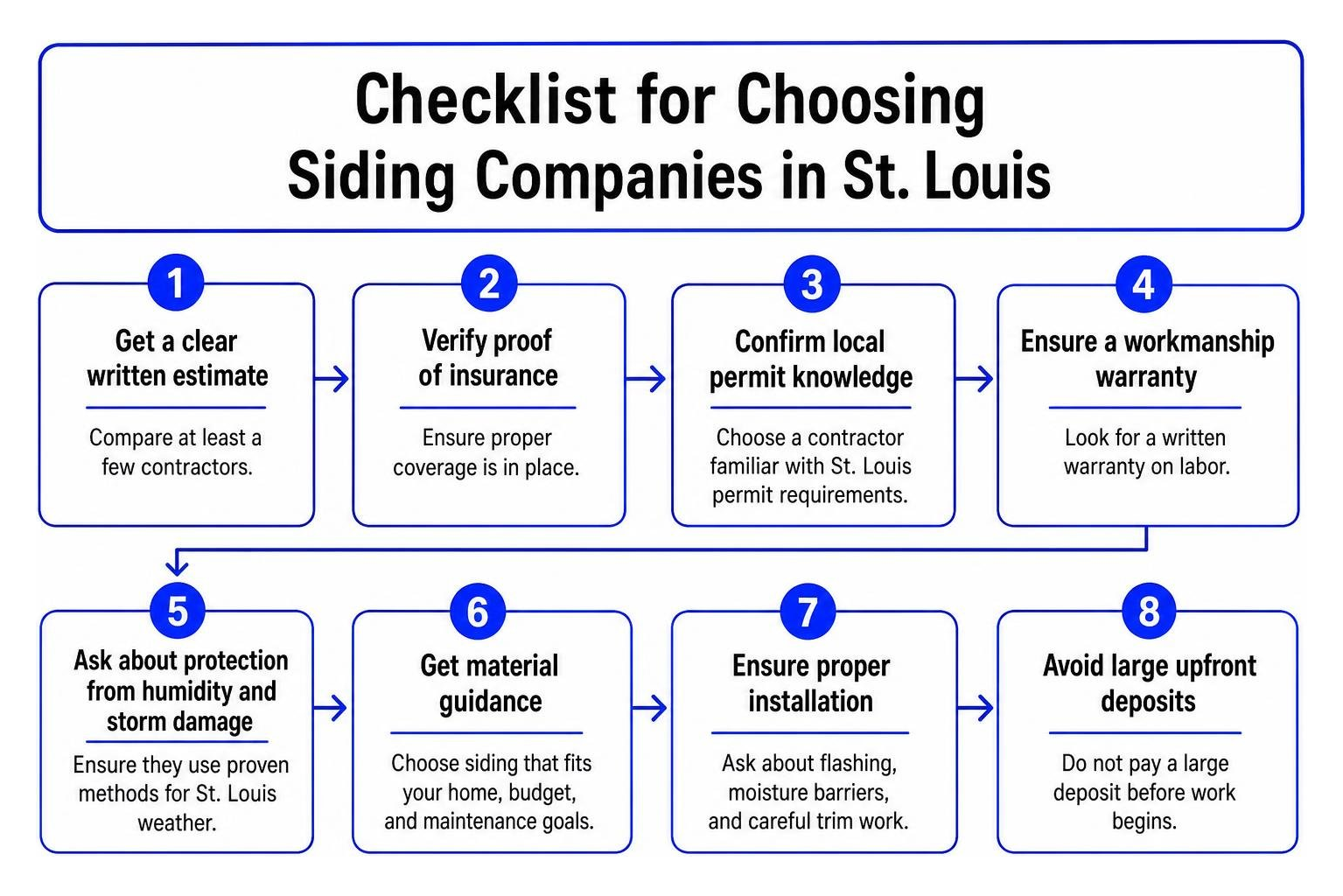
The best siding companies in St. Louis provide a clear written estimate, proof of insurance, local permit knowledge, and a workmanship warranty. Before signing, compare at least a few contractors, ask how they protect homes from humidity and storm damage, and avoid anyone who pressures you to pay a large deposit before work begins.
A reliable contractor should also explain which material fits your home, budget, and maintenance goals. Vinyl, fiber cement, and engineered wood are common choices for St. Louis homes, but proper installation matters as much as the product. Flashing, moisture barriers, and careful trim work help siding stand up to hot, humid summers, heavy rain, hail, and winter temperature swings.
I am John Martin of Martin & Sons, a family-owned exterior contracting company with more than 35 years of industry experience serving homeowners who need dependable siding companies in St. Louis. We work directly with homeowners from start to finish, with no upfront deposit required and payment due when the project is complete to your satisfaction.
5 Clear Signs Your St. Louis Home Needs Siding Replacement
Your home’s exterior cladding works 24/7 to defend your framing and interior spaces against the elements. In our region, seasonal weather swings put severe stress on exterior materials. If you notice any of the following warning signs, it is time to look into siding repair quotes or full replacement options before hidden moisture compromises your home’s structural integrity.

- Warped, Buckled, or Cracked Panels: Severe summer heat combined with winter freezes causes siding to expand and contract. Over time, brittle or improperly nailed panels crack, warp, or pull away from the wall sheathing, leaving pathways for water intrusion.
- Peeling Interior Paint or Wallpaper: When exterior siding fails, trapped water seeps through exterior sheathing and insulation into interior drywall. If indoor paint or wallpaper is bubbling, peeling, or showing water marks, the culprit is often leaking exterior siding.
- Dry Rot and Wood Decay: Moisture behind older wood or composite siding creates the ideal breeding ground for fungi. If pressing on a board reveals soft, spongy wood, the substrate beneath it may already be decaying.
- Unexplained Spikes in Utility Bills: Siding works hand-in-hand with exterior insulation and weather-resistant barriers to keep conditioned air indoors. Damaged panels, missing insulation, or gaps in your cladding allow drafts that force your HVAC system to work overtime during muggy St. Louis summers and freezing winter nights.
- Insect and Pest Infestation: Carpenter ants, termites, and rodents look for entry points created by loose, rotting, or improperly flashed siding. If you notice insect tunnels or gnaw marks around your exterior trim, your siding is no longer providing an adequate barrier.
7 Key Qualities to Look for in Siding Companies in St. Louis
Choosing the right contractor is just as important as choosing high-quality materials. When you evaluate siding contractors across St. Louis County and St. Charles County, use these seven criteria to separate reputable professionals from fly-by-night operators:
- Established Local Roots: Contractors familiar with the architectural styles and climate patterns of communities like Florissant, Chesterfield, and Creve Coeur understand local building dynamics better than out-of-town storm chasers.
- Comprehensive In-House Expertise: Look for companies with experienced, dedicated crews rather than transient day labor to ensure consistent workmanship.
- Clear, Itemized Written Estimates: Transparent scopes of work detailing material grades, underlayment, trim, soffit, fascia, and waste disposal prevent unexpected charges later.
- Solid Track Record and References: A trustworthy contractor will happily provide verifiable project examples and local homeowner reviews. Consulting a list of reliable St. Louis siding contractors can help you compare established local professionals.
- Manufacturer Certifications: Certified installers understand specific manufacturer nailing schedules, overlap depths, and flashing requirements necessary to keep product warranties valid.
- Robust Cleanup and Property Protection: Siding tear-offs produce thousands of nails, sharp metal scraps, and debris. Reliable teams use magnetic sweepers and tarps to safeguard your landscaping, pets, and tires.
- Customer-Centric Payment Policies: Ethical contractors do not demand large cash deposits before unloading materials or starting labor.
Proper Licensing, Insurance, and St. Louis Permitting Expertise
Working on home exteriors carries inherent risks. A professional contractor must carry active General Liability Insurance (at least $1,000,000 to protect your property against accidental damage) and Workers’ Compensation Insurance to protect crew members on the job site. Never hesitate to ask for a copy of their insurance certificate.
Furthermore, building regulations vary significantly across our region. Permitting requirements in the City of St. Louis differ from those in St. Peters, O’Fallon, or Maryland Heights. Seasoned contractors pull all required municipal permits on your behalf, coordinate mandatory structural and building code inspections, and ensure your new siding complies with local setback and fire-code rules.
Zero-Deposit Payment Structures and Workmanship Warranties
One of the most significant red flags in exterior remodeling is a contractor demanding 30% to 50% upfront before any work is scheduled. Untrustworthy operators sometimes take these deposits and delay projects for months—or vanish entirely.
At Martin & Sons, we believe trust is earned through performance. We operate on a $0 down, zero-deposit structure. You do not pay a single dime until all work is 100% complete and you are entirely satisfied with the outcome.
Additionally, you need to understand the difference between material warranties and workmanship guarantees:
- Material Warranties: Provided by the manufacturer (e.g., James Hardie, CertainTeed, Mastic), covering manufacturing defects, fading, or hail perforation for 20 to 50 years.
- Workmanship Warranties: Provided by the installer, covering installation errors, water penetration due to improper flashing, loose boards, and trim failures. We back our exterior installations with lifetime labor warranties for complete peace of mind.
Questions to Ask Siding Companies in St. Louis Before Signing
Before entering into an agreement, ask prospective contractors these vital questions to ensure you receive high quality and affordable siding replacement in St. Louis:
- Will you completely remove my old siding to inspect the underlying sheathing, or are you planning to nail over existing boards? (Full tear-off is essential to identify hidden rot).
- What type of weather-resistive barrier (house wrap) and tape will you install beneath the siding?
- How do you handle unforeseen rot or structural damage discovered during teardown?
- Is a dedicated project supervisor on-site daily to manage the crew?
- What is your daily cleanup procedure to ensure stray nails are removed from lawns and driveways?
Comparing the Best Siding Materials for St. Louis Homes
The climate in St. Louis demands durable, moisture-resistant exterior materials that can withstand 95°F summer heatwaves with high humidity, followed by sub-zero winter temperatures.
| Siding Material | Average Longevity | Maintenance Required | Moisture & Pest Resistance | Best Feature |
|---|---|---|---|---|
| Traditional Vinyl | 20–30 Years | Low (occasional wash) | High | Budget-friendly & versatile |
| Insulated Vinyl | 25–35 Years | Low (occasional wash) | High | Added R-value & rigidity |
| Fiber Cement | 30–50 Years | Moderate (repaint 12–15 yrs) | Superior (Non-combustible) | Authentic wood look & fireproof |
| Engineered Wood | 25–40 Years | Moderate (repaint 10–12 yrs) | High (Treated for rot) | Impact-resistant & lightweight |
Vinyl Siding for Cost-Effective Durability
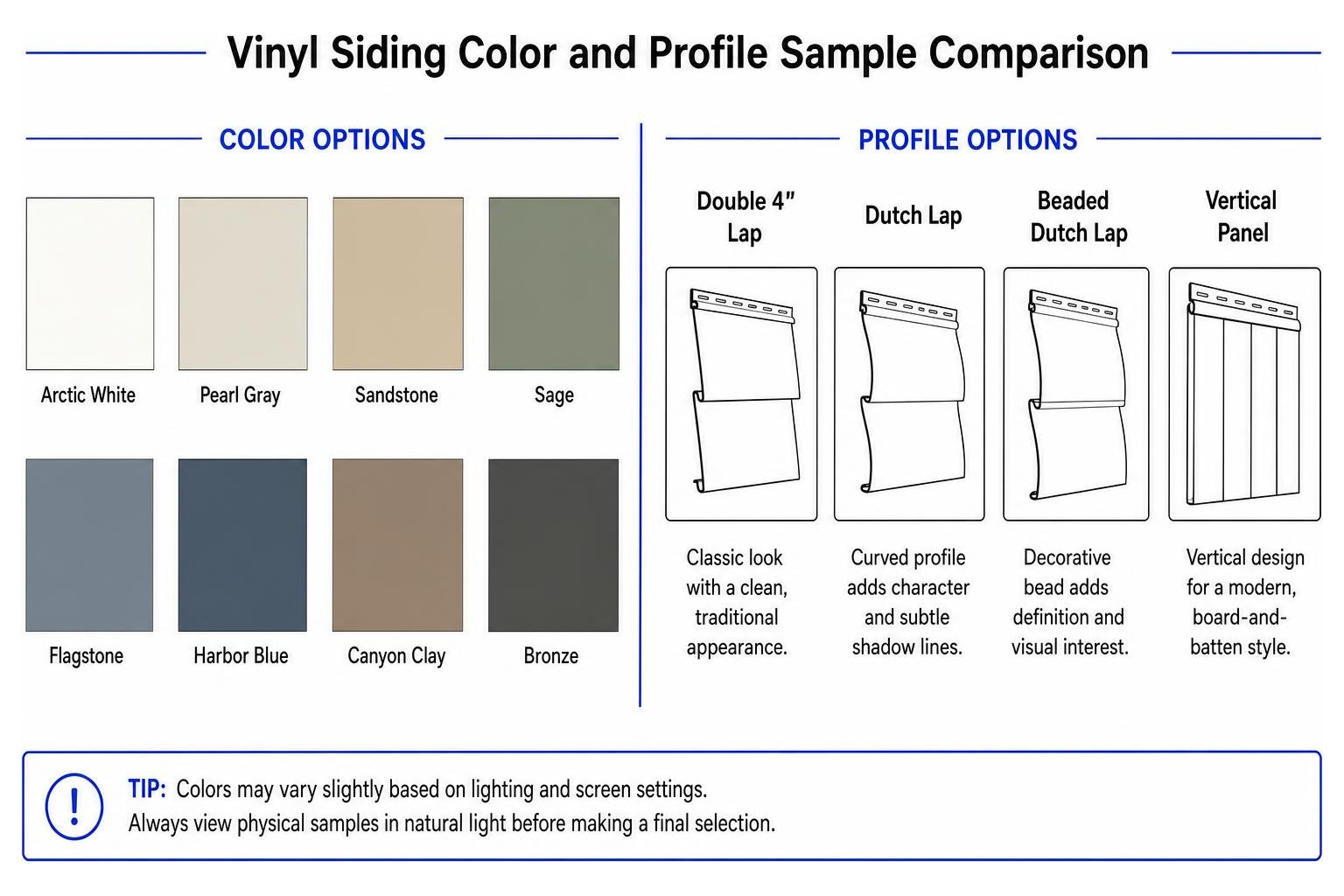
Vinyl siding remains the most popular cladding choice in the St. Louis area due to its exceptional value, broad color palette, and minimal maintenance demands. Modern vinyl formulations utilize advanced UV inhibitors to prevent premature fading and chalking under the summer sun.
Insulated vinyl options feature contoured foam backing that increases impact resistance against hail and boosts the overall thermal performance (R-value) of your exterior walls. For budget-conscious homeowners, researching St. Louis vinyl siding prices can give you a realistic idea of material tiers and installation expenses.
Fiber Cement and Engineered Wood for Maximum Protection
If you want the authentic appearance of painted cedar lap siding without the risk of rot or insect infestation, fiber cement (such as James Hardie) is an outstanding choice. Composed of Portland cement, sand, and cellulose fibers, fiber cement is non-combustible, impervious to woodpeckers and termites, and exceptionally rigid during severe windstorms.
Engineered wood siding combines genuine wood strands with marine-grade waxes and resin binders, finished with an exterior zinc borate treatment. This engineering provides substantial resistance against fungal decay and high impact resistance from flying storm debris, all while offering deep woodgrain textures.
How Top Siding Companies in St. Louis Handle Midwest Weather
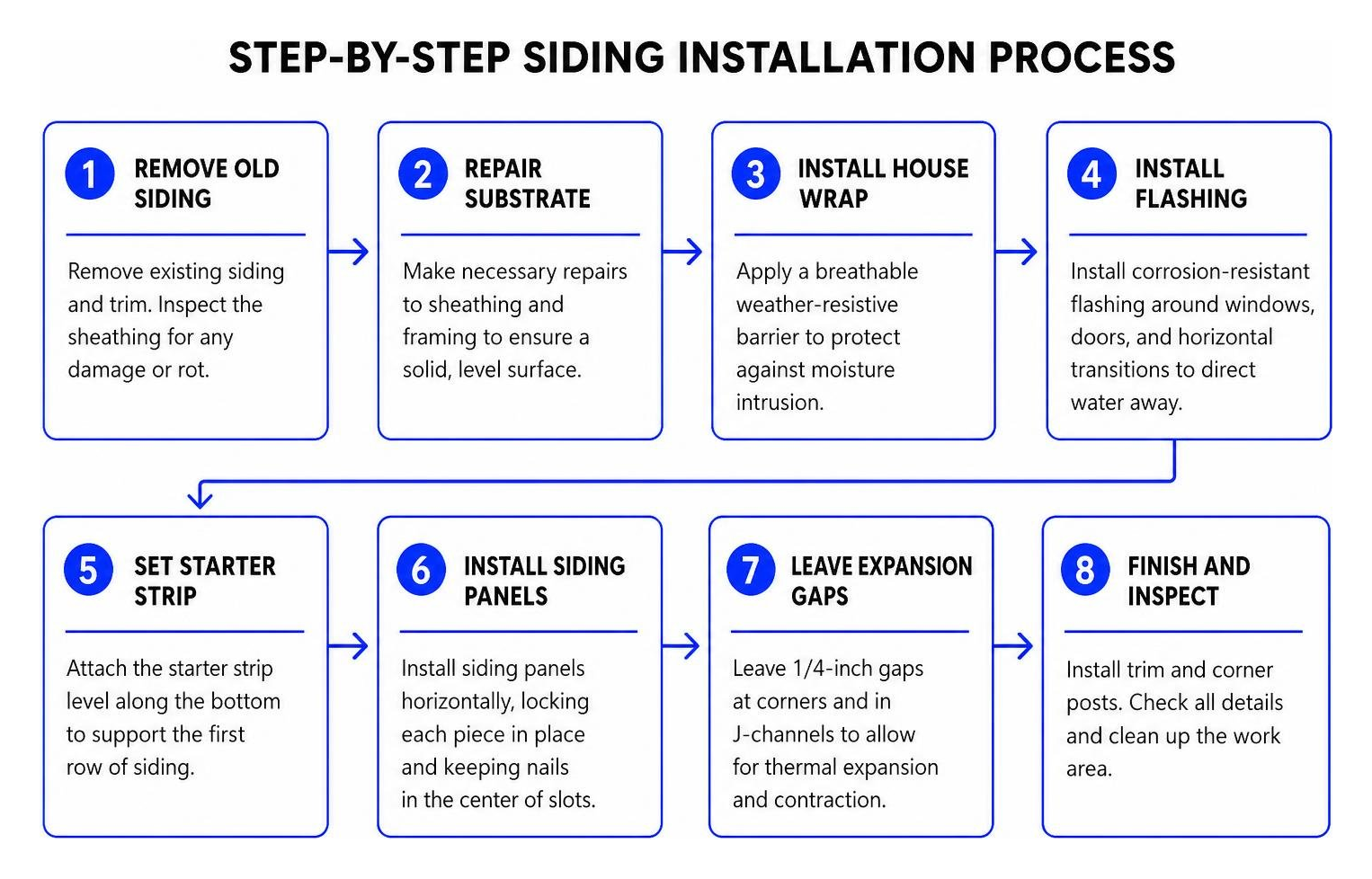
Great materials will fail quickly if installed incorrectly. A dependable installation in our climate requires a complete moisture management system:
- High-Performance House Wrap: Breathable weather-resistive barriers allow interior vapor to escape while preventing wind-driven rain from reaching wall studs.
- Integrated Flashing Systems: Corrosion-resistant metal flashing must be placed above all window headers, door frames, and horizontal transitions to divert runoff away from structural joints.
- Thermal Expansion Gaps: Vinyl siding expands and contracts significantly between seasons. Experienced installers leave precise 1/4-inch gaps at corner posts and J-channels and hang panels loosely from nail slots rather than pinning them tight to the wall.
Understanding Siding Costs, Permits, and Timelines in St. Louis
The total cost to re-side a home depends on several key variables: square footage, the number of stories, architectural complexity (gables, dormers, overhangs), trim packages, and the chosen material.
- Average Investment: Re-siding an average 2,000-square-foot home in St. Louis typically ranges from $8,000 to $15,000 for quality vinyl siding, and $14,000 to $24,000+ for premium fiber cement or engineered wood.
- Permits and Inspections: Siding permits in St. Louis City and County generally cost between $100 and $300, depending on project valuation. Your contractor should handle all applications and schedule necessary municipal inspections.
- Project Duration: A standard whole-house siding installation typically requires 3 to 6 working days, assuming manageable weather conditions.
Reviewing detailed breakdowns of St. Louis siding prices and how to beat them can help you budget effectively and avoid common contractor markups.
Frequently Asked Questions About Siding Replacement
How long does a typical siding installation project take in St. Louis?
For a standard single-family home (1,500 to 2,500 square feet), complete removal of old siding, substrate repairs, house wrap installation, and new siding installation typically takes 3 to 5 business days. Larger multi-story homes or projects involving intricate fiber cement trim work may take 6 to 8 business days. Severe storms or high winds can occasionally cause brief safety delays.
Do I need a permit to replace siding in St. Louis City or County?
Yes, most municipalities across St. Louis City, St. Louis County, and St. Charles County require a building permit for full siding replacement projects. Permitting ensures that the installation meets current International Residential Code (IRC) standards for moisture barriers, energy conservation, and wind-load resistance. Your contractor should always obtain the permit on your behalf.
What is the best siding material for St. Louis weather?
Both insulated vinyl and fiber cement are top-tier options for St. Louis weather. Insulated vinyl provides excellent thermal resistance against humid summers and freezing winters while remaining budget-friendly. Fiber cement provides superior protection against hail damage, high winds, and fire risk, making it an ideal long-term investment for historic and modern homes alike.
Conclusion
Upgrading your siding improves energy efficiency, protects your home’s structural framing from moisture damage, and dramatically refreshes your curb appeal. When selecting a contractor, prioritize verified local experience, valid licensing and insurance, fair terms, and comprehensive workmanship warranties.
At Martin & Sons, we are committed to providing top-quality exterior home improvements across St. Louis, St. Peters, St. Charles, Florissant, Chesterfield, Creve Coeur, Maryland Heights, and O’Fallon. We deliver honest upfront pricing, a lifetime labor warranty, and our signature $0 down policy—you do not pay until the job is 100% complete and you are entirely satisfied.
Please note that Martin & Sons is not a standalone gutter company; Martin & Sons only provides gutter services when performing a roofing project. Whether you need complete siding replacement, replacement windows, or a full exterior overhaul, our family is here to protect yours.
Contact us today to schedule your free, no-obligation estimate for expert St. Louis siding installation!