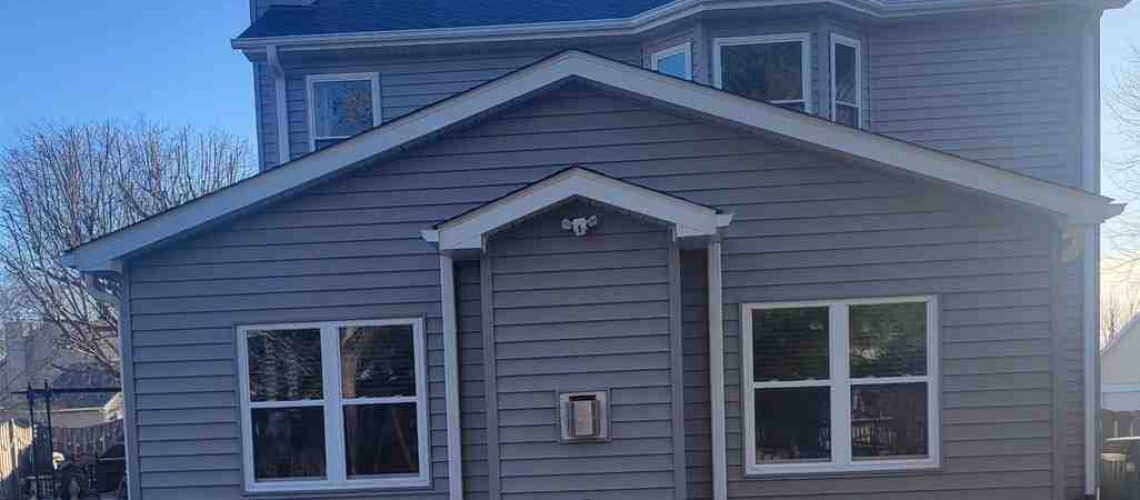
Why Modern Vinyl Siding Styles Are Worth Your Attention
Modern vinyl siding styles give homeowners a wide range of looks — from classic to contemporary — without the upkeep headaches of wood or fiber cement.
Here are the most popular styles available today:
- Lap siding (horizontal clapboard or dutch lap) — the most traditional and widely used profile
- Board and batten — vertical panels with a clean, farmhouse or barn-inspired look
- Shake and shingle — mimics natural cedar for a rustic, textured appearance
- Insulated siding — lap or vertical panels with foam backing for added energy efficiency
- Log siding — a niche rustic profile that replicates the look of a log cabin
Each style comes in dozens of colors, multiple thicknesses, and profiles designed to suit everything from a Victorian cottage to a sleek modern build.
I’m John Martin, and our family business has been helping St. Louis homeowners with siding, roofing, and exterior renovations since 1953 — giving us over 35 years of hands-on experience selecting and installing modern vinyl siding styles that hold up in the Midwest’s tough weather. Whether you’re replacing aging wood siding or simply want a fresh look, I’ll walk you through everything you need to know.

Modern vinyl siding styles terms at a glance:
Popular Modern Vinyl Siding Styles for Today’s Homes
When we talk about modern vinyl siding styles, we aren’t talking about the thin, plastic-looking panels from forty years ago. Today’s options are engineered to be beautiful, thick, and incredibly resilient.
The most common starting point for most homeowners in St. Louis and St. Charles is horizontal lap siding. This style has been a staple for centuries because it sheds water effectively and offers a clean, organized look. Within this category, you have two main choices:
- Traditional Clapboard: These panels feature a flat face and overlap each other to create a simple, classic shadow line.
- Dutch Lap: This style has a decorative groove or “cove” at the top of each panel, which creates a deeper shadow line and gives the home a more textured, hand-carved appearance.
Brands like Georgia-Pacific offer these styles in a variety of textures, from smooth finishes to realistic woodgrains. If you are having trouble deciding which look fits your architecture, you can Explore our Design Tool to see how different profiles look on a home like yours.
Choosing the right style is about more than just looks; it’s about long-term value. For a deeper dive into why this material is a smart investment, check out our guide on 7-benefits-of-choosing-vinyl-siding-for-your-home.
Modern Vinyl Siding Styles: Board and Batten
If you’ve driven through Chesterfield or O’Fallon lately, you’ve likely seen the “Modern Farmhouse” trend. This look is defined by modern vinyl siding styles that run vertically. Specifically, Board and Batten is the star of the show.
Board and Batten consists of wide vertical “boards” with narrow strips (battens) covering the seams. This style evokes a sense of rural craftsmanship and historic charm but with a contemporary twist. It’s perfect for adding height to a home or creating a striking accent on gables.
Exterior Portfolio’s Board & Batten line, for example, offers clean lines and a crisp aesthetic that stands out in any neighborhood. We often recommend this style to homeowners who want to boost-curb-appeal-with-vinyl-siding because it breaks up the monotony of horizontal lines found on most standard suburban homes.
Choosing Modern Vinyl Siding Styles for Curb Appeal
For those who love the look of a seaside cottage or a rustic mountain retreat, vinyl shake and shingle siding is a game-changer. Historically, real cedar shakes were a maintenance nightmare—they would rot, curl, and require constant staining. Modern vinyl versions, like CertainTeed’s Northwoods or ProVia’s Harbor Mill, mimic that authentic cedar texture perfectly without the wood-rot drama.
These modern vinyl siding styles are frequently used as accents. You might use standard lap siding for the main body of the house and then use shake siding on the gables or around the entryway to create a focal point. This adds a layer of “Victorian charm” or “Craftsman detail” that can significantly increase your home’s resale value.
If you’re looking to create a high-end, custom look, we can help you upgrade-your-curb-appeal-with-seamless-vinyl-siding-in-st-louis by mixing and matching these textures for a truly unique exterior.
Insulated and Log Siding Profiles
In the humid summers and freezing winters of St. Peters and Florissant, energy efficiency is always a top priority. This is where insulated vinyl siding comes in. By adding a contoured foam backing to the vinyl panel, manufacturers create a “thermal bridge” that keeps heat inside during the winter and outside during the summer.
Beyond energy savings, insulated siding also makes your home quieter and the panels themselves more rigid. This rigidity helps the siding lay flatter against the wall, hiding imperfections in the home’s framing.
Then there is log siding. Yes, you can get the look of a log cabin with the low maintenance of vinyl. It’s a niche style, but for homes in more wooded areas of the St. Louis region, it provides a rugged, rustic aesthetic without the risk of termites or wood rot.
| Feature | Standard Vinyl Siding | Insulated Vinyl Siding |
|---|---|---|
| Energy Efficiency | Low (relies on house wrap) | High (adds R-value) |
| Impact Resistance | Good | Excellent (foam acts as a shock absorber) |
| Noise Reduction | Moderate | High (dampens outside noise) |
| Wall Straightness | Follows wall contours | Helps bridge wall imperfections |
| Cost | Budget-friendly | Premium investment |
Key Features of High-Performance Modern Siding
When comparing modern vinyl siding styles, it is easy to get distracted by the colors, but the technical specs are what keep your home safe. One of the most important factors is panel thickness.
Standard builder-grade siding is often around .040″ thick. Premium products, such as the Premium Pointe line, feature .046″ heavy-wall panels. This extra thickness isn’t just for show—it provides the structural integrity needed to withstand hurricane-force winds up to 200 mph. In our neck of the woods, where spring storms can get pretty wild, that extra durability is peace of mind.
For those interested in the nitty-gritty details of how these panels are engineered, you can view the Technical Specs for High-Wind Siding. Understanding these specs helps you see the long-term benefits-of-vinyl-siding-installation over cheaper, flimsier alternatives.
Fade-Resistant Color Technology
In the past, if you chose a dark color like deep blue or forest green for your siding, it would often fade to a chalky gray within a few years due to UV exposure. Modern technology has solved this.
Leading manufacturers now use advanced color protection systems like Chromatix technology. This system uses infrared-reflecting pigments to reflect the sun’s heat away from the house, preventing the vinyl from warping or fading. This allows you to choose bold, dark colors with confidence.
To see what’s currently popular in our area, take a look at these vinyl-siding-color-trends-you-wont-want-to-miss. Whether you want a timeless white or a trendy “Nightfall” navy, modern tech ensures it stays vibrant for decades.
Sustainability and Maintenance
We often get asked if vinyl is “green.” Surprisingly, vinyl siding has a significantly lower environmental footprint than many other materials. Research shows it has about 1/3 the environmental impact of fiber cement. It is manufactured from recyclable materials and requires very little water during production.
Maintenance is the best part. You don’t need to paint it. You don’t need to caulk it. An annual wash with a garden hose and some soapy water is usually all it takes to keep it looking brand new. When you look at the calculating-the-lifetime-cost-of-vinyl-siding-installation-repairs-maintenance, vinyl almost always comes out as the most cost-effective choice because the “upkeep” cost is essentially zero.
Benefits of Choosing Vinyl Over Traditional Wood
While we love the look of natural wood, the reality of living in Missouri means dealing with high humidity and pests. Wood siding is essentially a buffet for termites and a breeding ground for mold and rot if not painted every few years.
Modern vinyl siding styles offer several advantages:
- Pest Resistance: Termites and carpenter ants have no interest in vinyl.
- Moisture Protection: Vinyl doesn’t absorb water, so it won’t rot, warp, or sag.
- Cost-Effectiveness: It is generally more affordable to install than wood or fiber cement, and the lack of painting saves thousands over the years.
- Installation Speed: Because the panels are lightweight and designed with interlocking systems, we can often reside a whole house in a fraction of the time it takes for other materials.
If you are still on the fence, we’ve put together a detailed breakdown of vinyl-siding-what-are-the-pros-and-cons-of-this-material to help you make an informed decision.
Frequently Asked Questions about Modern Siding
What is the most durable vinyl siding thickness?
For maximum durability in the St. Louis area, we recommend a thickness of at least .044″ to .046″. These are considered “premium” or “heavy-wall” panels. They are much more resistant to hail damage and high winds than the thinner .040″ panels typically found in big-box stores.
How long does modern vinyl siding last?
Most high-quality modern vinyl siding styles come with a Limited Lifetime Warranty, and many even offer “Double Lifetime” coverage that can be transferred to the next homeowner. With basic cleaning, you can expect your siding to look great and perform well for 30 to 50 years.
Does vinyl siding improve home energy efficiency?
Standard vinyl siding provides a beautiful shell, but for real energy gains, you want insulated vinyl siding. The foam backing adds an extra layer of insulation (R-value) to your exterior walls, which can reduce your heating and cooling bills by 10% to 20% depending on your home’s current insulation levels.
Conclusion
Updating your home with modern vinyl siding styles is one of the best ways to protect your investment and fall in love with your house all over again. Whether you’re in Creve Coeur, Maryland Heights, or right here in Florissant, the right siding choice makes all the difference.
At Martin & Sons, we believe in making the process as stress-free as possible. That’s why we have a strict no upfront deposits policy. You don’t pay us a dime until the job is 100% complete and you are totally satisfied with the results. Plus, we back our work with lifetime labor warranties and provide our best prices upfront—no haggling required.
Ready to see what your home could look like? Upgrade your home with vinyl siding near me and let’s get started on your fresh new look!