
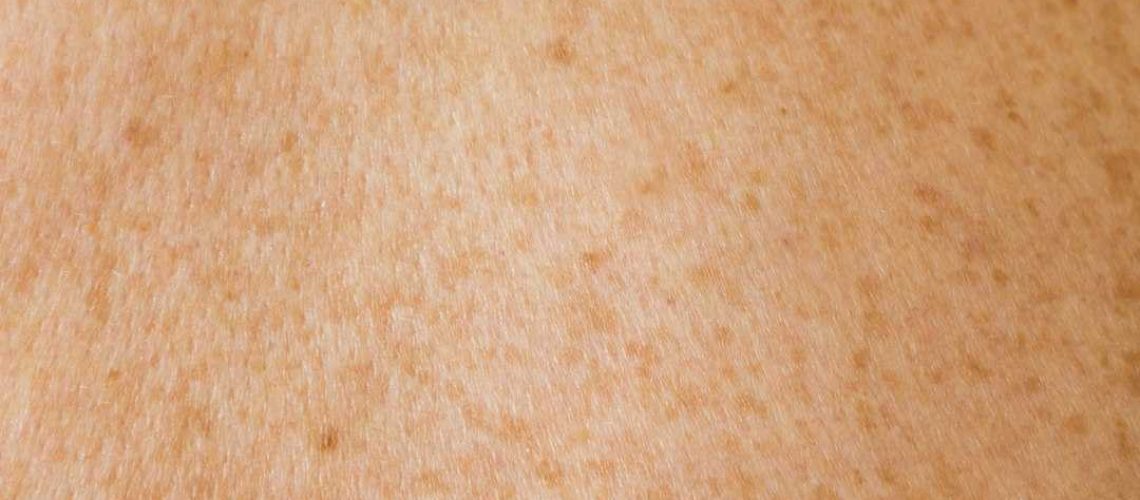
Why Shingles Skin Peeling Happens During Recovery
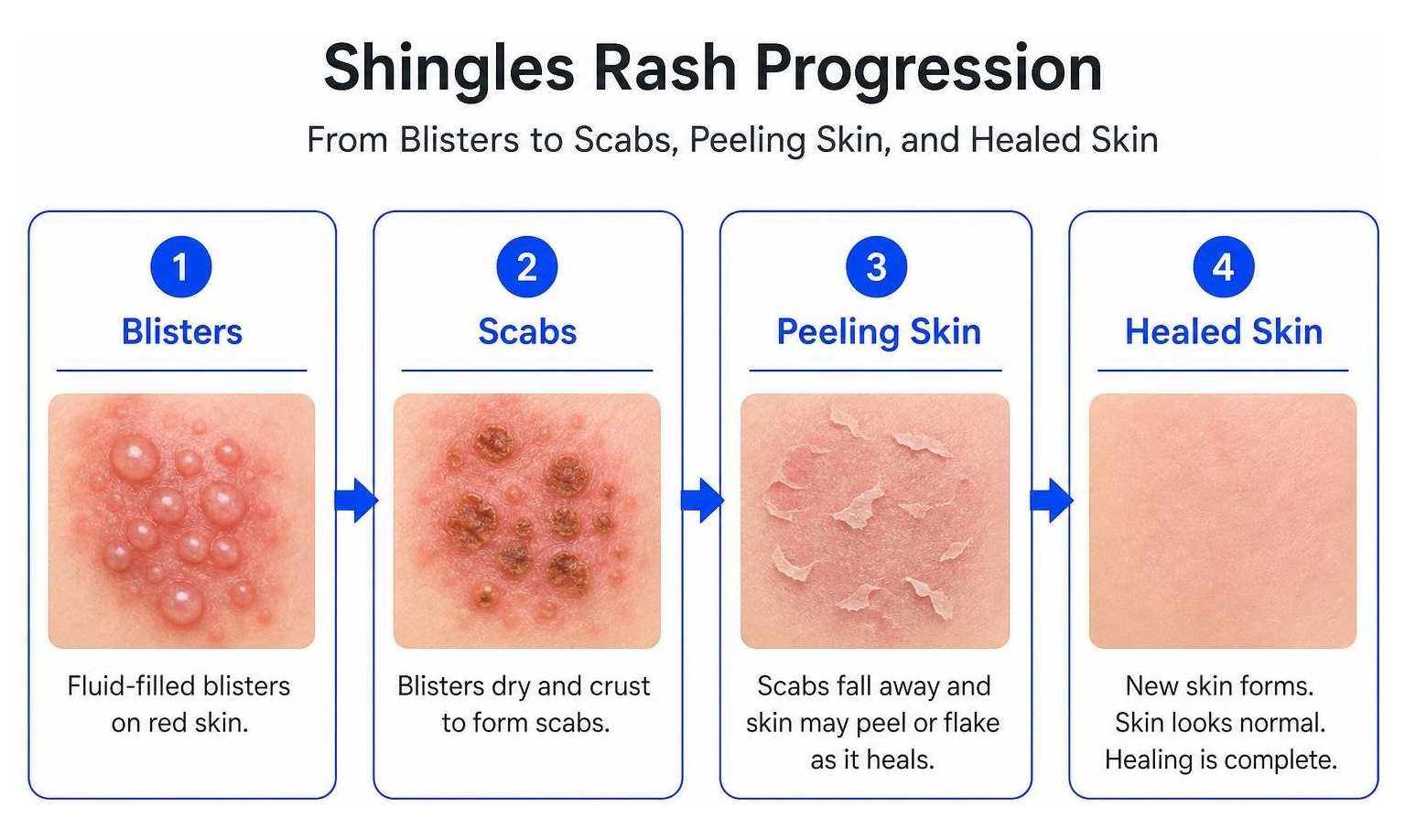
If you mean a body rash, peeling skin after shingles is usually a normal sign that the rash is healing. As fluid-filled blisters dry, crust, and fall away, the damaged outer layer of skin may flake or peel. Keep the area clean, avoid picking or scrubbing it, and use a gentle, fragrance-free moisturizer only after the skin is no longer open or weeping.
If you are a St. Louis homeowner using the phrase shingles peeling skin to describe asphalt roof shingles that look like their outer layer is peeling, curling, cracking, blistering, or shedding granules, that is a roofing issue. Roof shingles do not have skin, but their protective surface can deteriorate in a way that looks like peeling. When that happens, the roof may lose UV protection, shed granules into gutters, and become more vulnerable to leaks.
Shingles blisters on the body often begin to scab within 7 to 10 days, and the rash usually heals in 2 to 4 weeks. Seek medical care sooner if peeling comes with spreading redness, warmth, swelling, pus, fever, or worsening pain. A new shingles rash, especially one near the eye or face, needs prompt medical attention, ideally within 72 hours.
For roof shingles, peeling-looking damage should be inspected promptly, especially after hail, wind, heat exposure, or years of sun aging. I am John Martin, with more than 35 years of experience helping St. Louis homeowners understand roofing and exterior problems. This guide explains both meanings of shingles peeling skin, then focuses on what homeowners should do when roof shingles show surface failure.
Understanding the Stages of Shingles Peeling Skin
Experiencing a shingles outbreak can be unsettling, especially as the rash shifts from painful fluid-filled bumps into dry, flaking patches. Shingles, clinically known as herpes zoster, occurs when the dormant varicella-zoster virus reactivates inside nerve roots. For clinical context, reviewing guidance on herpes zoster stages helps clarify why this condition progresses along specific sensory pathways called dermatomes. Because each sensory nerve serves a well-defined strip of skin, the characteristic rash almost always stays confined to one side of the body.
On a home, however, shingles peeling skin usually means the visible surface of an asphalt shingle is deteriorating. The top layer of an asphalt shingle is made to protect the roof from sun, rain, hail, and temperature swings. When that surface loses granules, blisters, cracks, curls, or flakes, it can look like the shingle is peeling. That outer deterioration is not cosmetic only. It can expose the asphalt mat, shorten roof life, and increase the chance of water intrusion.
For Martin & Sons homeowners across St. Louis, St. Peters, St. Charles, Florissant, Chesterfield, Creve Coeur, Maryland Heights, and O’Fallon, the key question is whether the shingles are aging normally or failing early. A professional roof inspection can separate minor surface wear from storm damage, ventilation problems, poor installation, or shingles that are nearing the end of their service life.
Why Does Skin Peel During Shingles Recovery?
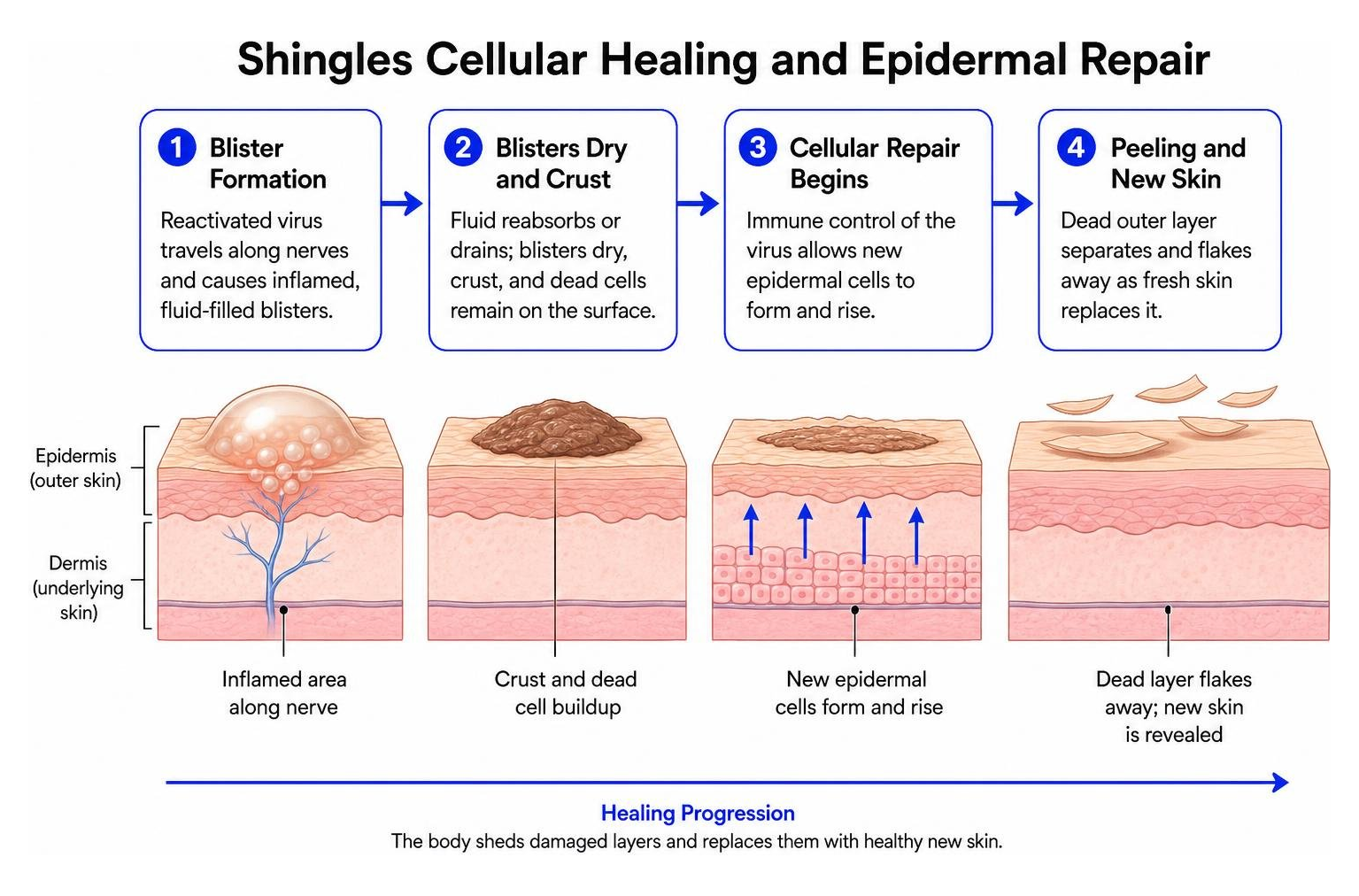
When the varicella-zoster virus travels down sensory nerves to the skin surface, it causes acute localized inflammation and blister formation. These blisters compromise the stratum corneum, the outermost protective barrier of your skin. As new skin forms below, the dried, dead upper layer separates, leading to flaking and shedding.
Roof shingles go through a different process. Asphalt shingles can appear to peel when heat, trapped moisture, age, UV exposure, or impact damage breaks down the bond between the asphalt, fiberglass mat, and protective mineral granules. Once granules are missing, the darker asphalt underneath absorbs more heat. That can speed up brittleness, curling, cracking, and further surface loss.
Visual Timeline: From Blisters to Shingles Peeling Skin
Understanding what to expect makes it easier to decide whether you need medical care, roof repair, or a roof replacement estimate.

- Medical Prodromal Phase (Days 1-4): Before a visible rash erupts, localized sensations such as burning, tingling, numbness, or shooting nerve pain may develop along one side of the body or face.
- Medical Blistering Phase (Days 5-10): Red or discolored patches can appear, quickly erupting into clustered, fluid-filled vesicles. On darker skin tones, these patches may present as purple, brown, or dusky gray rather than bright red.
- Medical Crusting Stage (Days 7-14): Blisters gradually stop oozing, flatten out, and dry into firm crusts or scabs as healing begins.
- Medical Peeling Stage (Weeks 2-4): Scabs loosen naturally and begin flaking off. Beneath them, fresh, sensitive, slightly discolored skin may appear.
- Roof Surface Wear Stage: Granules loosen and collect in downspouts or at the base of the home. The roof may still shed water, but the protective surface is thinning.
- Roof Blistering or Cracking Stage: Heat, moisture, or age can cause small raised blisters, cracks, or flaking patches. These are warning signs that the shingles are losing durability.
- Roof Curling or Peeling-Looking Stage: Corners lift, edges curl, or the shingle surface looks bare and rough. At this point, water can more easily get under the shingle during wind-driven rain.
- Roof Failure Risk Stage: Missing shingles, soft decking, interior stains, or repeated leaks mean the issue has moved beyond appearance and should be inspected by a roofing professional.
Safe Homeowner Care and Professional Treatments
Proper care depends on whether you are dealing with a medical rash or a roof problem. For skin symptoms, basic hygiene and medical guidance matter most. The American Academy of Dermatology outlines practical measures for the dermatological management of shingles, focusing on daily hygiene and soothing irritation. For a roof, the goal is to protect the home from water damage without causing more harm to fragile shingles.
How to Soothe Itch and Accelerate Healing for Shingles Peeling Skin
If the issue is a body rash, use gentle care and ask a healthcare professional about antivirals, pain control, and infection concerns. If the issue is roof shingles that look like they are peeling, use these homeowner-safe steps:
- Inspect From the Ground: Use binoculars or photos from a safe location. Look for curling edges, missing granules, bare asphalt patches, lifted tabs, cracked shingles, or piles of granules near downspouts.
- Check the Attic and Ceilings: Look for damp insulation, water stains, musty odors, daylight through roof decking, or discoloration around vents and chimneys.
- Document the Damage: Take dated photos after storms, hail, high winds, or sudden leaks. This helps when comparing damage over time or discussing options with your insurer.
- Keep Drainage Working: Clogged gutters can push water back toward roof edges. Martin & Sons only provides gutter services when performing a roofing project and is not a standalone gutter company, but roof-related drainage issues should still be reviewed during a roof inspection.
- Schedule a Professional Roof Inspection: If shingles are peeling, curling, or shedding heavily, a roofer can determine whether targeted repair is enough or whether replacement is the better long-term option.
- Use Temporary Leak Protection Only When Needed: If water is actively entering the home, temporary tarping may reduce immediate damage until permanent repairs can be made safely.
Skincare Ingredients and Habits to Avoid
Using the wrong products or physical agitation on delicate, peeling skin can delay medical recovery. Using the wrong tools on a roof can also damage shingles that might otherwise be repairable:
- Do Not Pick or Scratch Scabs: For a rash, forcing scabs or peeling skin off prematurely can lead to scarring and bacterial entry.
- Do Not Pull at Roof Shingles: Tugging on curled or peeling-looking shingles can tear the mat, break the seal strip, or expose fasteners.
- Avoid Chemical Exfoliants: For skin, avoid AHAs, BHAs, and physical scrubs until the skin has completely normalized.
- Avoid Pressure Washing the Roof: High-pressure water strips protective granules and can force moisture under shingles.
- Stop Retinoids and Vitamin C Serums: Active anti-aging ingredients can irritate recovering skin barriers.
- Skip Roof Coatings or Sealants as a Guess: Store-bought patch products may trap moisture, void warranties, or hide damage without correcting the cause.
- Avoid Tight, Friction-Heavy Clothing: For a rash, choose loose, soft garments to prevent rubbing.
- Do Not Walk on Brittle Shingles: Foot traffic can crack aged shingles and create new leak paths, especially in hot or cold weather.
Complications, Scarring, and When to Seek Medical Attention
While a shingles rash clears within 2 to 4 weeks for most people, complications can arise if the virus damages deeper nerve pathways or if bacteria penetrate open skin. Starting prescription antiviral treatment, such as valacyclovir, acyclovir, or famciclovir, within 72 hours of rash onset can lower the risk of prolonged issues.
Roof shingles have their own complications. Peeling-looking surfaces, heavy granule loss, curling, blistering, and cracks can expose the asphalt layer and make the roof more vulnerable to leaks. Once water reaches the underlayment, decking, attic, or insulation, the problem can spread from roof repair to interior damage. Homeowners should seek a roof inspection if damage is widespread, if shingles are missing, if there are ceiling stains, or if the roof was recently hit by hail or strong winds.
Distinguishing Normal Desquamation from Secondary Infection
It is vital to recognize whether skin changes are part of normal medical healing or represent a secondary bacterial superinfection. For roof shingles, the comparison is normal aging versus damage that needs professional attention.
| Symptom | Normal Shingles Peeling | Problem Signs That Need Help |
|---|---|---|
| Skin Appearance | Dry flakes, shedding crusts, light pink or discolored new skin | For skin: swollen, spreading redness, hot to the touch. For roofs: bare asphalt patches, curled tabs, cracks, missing shingles, or exposed underlayment |
| Discharge or Debris | For skin: no pus and dry scabs. For roofs: light granule shedding over time | For skin: thick yellow or greenish pus. For roofs: sudden heavy granule piles, loose shingle pieces, or debris after a storm |
| Pain or Damage Level | Decreasing nerve sensitivity or mild itching | For skin: sharp, throbbing, or worsening localized pain. For roofs: active leaks, sagging decking, or expanding ceiling stains |
| Systemic Signs | None during late-stage recovery | For skin: fever, chills, body aches. For roofs: musty odors, wet insulation, mold concerns, or repeated water entry |
| Healing or Roof Trajectory | Skin steadily improves over 2 to 4 weeks | Skin healing stalls or worsens. Roof damage spreads, shingles keep lifting, or leaks continue after storms |
Long-Term Outlook: Hyperpigmentation and Nerve Health
After a shingles rash peels and resolves, the underlying skin may look darker or lighter than surrounding areas. This is known as post-inflammatory hyperpigmentation and can take several months to fade. Daily application of broad-spectrum sunscreen over fully healed areas can help prevent ultraviolet light from darkening these marks further.
After roof shingles lose their protective surface, the long-term outlook depends on age, ventilation, installation quality, storm exposure, and how widespread the damage is. A few damaged shingles may be repairable if the surrounding roof is still in good condition. Broad peeling-looking wear, brittle shingles, recurring leaks, or widespread granule loss often point to replacement as the more reliable solution.
Between 10% and 18% of people develop postherpetic neuralgia, a condition where nerve pain persists for months or years after the rash has completely healed. If pain continues long after peeling stops, consult a physician for targeted neuropathic pain therapies. If roof problems continue after temporary repairs, consult a qualified roofing contractor before water damage spreads.
Frequently Asked Questions About Shingles Skin Recovery
Is skin peeling a sign that shingles is no longer contagious?
For a medical shingles rash, peeling often means the lesions are drying and healing. Shingles is contagious to people who have not had chickenpox or the chickenpox vaccine while blisters contain active fluid. Once all lesions have completely dried and scabbed, the risk of viral transmission is much lower. Ask a healthcare professional if you are unsure whether a rash is still contagious.
For roof shingles, contagiousness does not apply. Peeling-looking shingles are a sign of surface deterioration, not infection. The practical concern is whether the roof still has enough protective surface to shed water reliably.
Does the Shingrix vaccine reduce the severity of peeling skin?
The recombinant Shingrix vaccine is more than 90% effective in preventing shingles in adults aged 50 and older. If a vaccinated individual still experiences an outbreak, the vaccine can reduce rash severity and lower the risk of long-term nerve pain. Talk with a healthcare professional about the two-dose schedule and whether vaccination is appropriate for you.
Shingrix has no connection to asphalt roof shingles. For a home, the closest form of prevention is using quality roofing materials, proper attic ventilation, correct installation, and timely repair of wind or hail damage.
Can scratching peeling skin cause permanent scarring?
Yes. Scratching or picking away peeling skin and scabs can damage deeper dermal layers, creating pitted scars or chronic dark marks. Keeping the area lightly moisturized after the skin is closed and using cool compresses can help manage itching without scratching.
On a roof, picking, scraping, pressure washing, or pulling at peeling-looking shingles can also make the damage worse. If shingles are brittle, curled, or losing their top layer, have them evaluated before attempting any do-it-yourself repair.
Conclusion
Recovering from a shingles rash requires patience, gentle skincare, and careful monitoring as the skin completes its natural cycle of blistering, scabbing, and peeling. If symptoms are new, severe, near the eye or face, infected-looking, or not improving, consult a medical professional promptly.
For homeowners, shingles peeling skin usually describes a roof shingle surface that is curling, cracking, blistering, or shedding granules. That kind of wear should not be ignored, because the outer surface of the shingle protects the roof from sun, rain, and storm damage. A professional inspection can help determine whether the issue is isolated repair work, storm damage, ventilation-related aging, or a roof that is ready for replacement.
If you are noticing peeling, curling, or wear on your roof rather than your skin, our team at Martin & Sons provides reliable exterior solutions across the greater St. Louis area, including St. Louis, St. Peters, St. Charles, Florissant, Chesterfield, Creve Coeur, Maryland Heights, and O’Fallon. We operate with no upfront deposits, meaning you pay only upon 100% completion and satisfaction, backed by lifetime labor warranties and honest pricing. If your home’s exterior shows signs of aging, explore the Top 5 Reasons Why Your Roof Shingles Are Curling to keep your property safe and sound. Please note that Martin & Sons only provides gutter services when performing a roofing project and is not a standalone gutter company.