
St. Louis MO Storm Damage: What Homeowners Need to Know
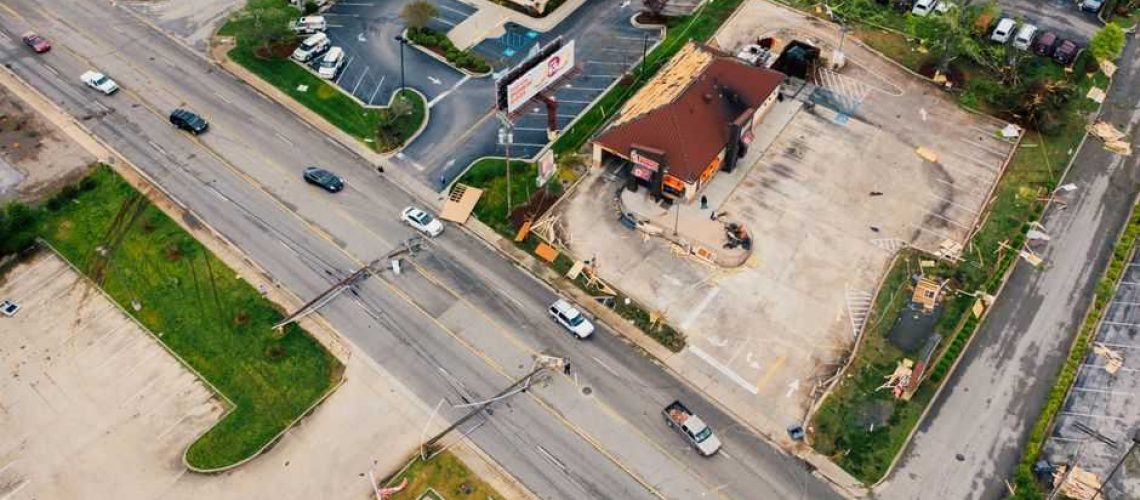
St. Louis MO storm damage reached a historic scale on May 16, 2025, when an EF3 tornado tore through the region — and thousands of homeowners are still dealing with the aftermath.
Quick facts about the May 2025 St. Louis tornado:
- Intensity: EF3, with peak winds of 152 mph
- Width: 1.8 miles — the widest tornado in the region since records began in 1950
- Path length: 12.29 miles through St. Louis County, St. Louis City, and into Illinois
- Structures damaged: Approximately 5,000
- Estimated damage: $1.6 billion
- Fatalities: 4 (plus 1 non-tornadic death)
- Injuries: 38
- First deadly tornado in St. Louis since 1959
One year later, blue tarps still cover rooftops across North St. Louis. Many homeowners are stuck navigating insurance gaps, permit delays, and an uneven recovery that looks very different depending on what neighborhood you live in.
This guide walks you through what happened, how to assess your own property, and what steps to take next.
I’m John Martin of Martin & Sons, a family-owned roofing and restoration company with over 35 years of hands-on experience helping St. Louis homeowners recover from St. Louis MO storm damage. We’ve seen how storms like this one can overwhelm families — and we’re here to help you cut through the confusion.
The Historic Impact of the May 2025 St. Louis Tornado
The event that unfolded on May 16, 2025, wasn’t just another spring storm; it was a record-shattering meteorological monster. For those of us living in the Gateway City, it marked the first time since 1959 that a tornado claimed lives within the city limits. The 2025 St. Louis tornado was an EF3-rated vortex that redefined our understanding of local storm potential.
What made this storm truly terrifying was its scale. While many tornadoes are narrow “ropes” or “wedges,” this one reached a maximum width of 3,168 yards—that is 1.8 miles wide. To put that in perspective, the damage swath, when including non-tornadic straight-line winds, exceeded two miles in some areas. It stayed on the ground for roughly 27 minutes, carving a 12.29-mile path of destruction through the heart of our metro area.
| Feature | 1959 St. Louis Tornado | 2025 St. Louis Tornado |
|---|---|---|
| Intensity | F4 | EF3 |
| Max Width | ~440 Yards | 3,168 Yards (1.8 Miles) |
| Fatalities | 21 | 4 |
| Damage (Adjusted) | ~$400 Million | $1.6 Billion |
| Structures Damaged | ~2,000 | 5,000 |
The human and structural toll was staggering. The storm caused an estimated $1.6 billion in property damage, affecting approximately 5,000 structures. One of the most heartbreaking moments of the storm was the collapse of the Centennial Christian Church. The historic building’s steeple and walls gave way while people were inside for a community food giveaway, leading to the death of a beloved church cook. In total, four people lost their lives to the tornado, with a fifth death attributed to a falling tree caused by non-tornadic winds.
Assessing St. Louis MO Storm Damage Across the Region
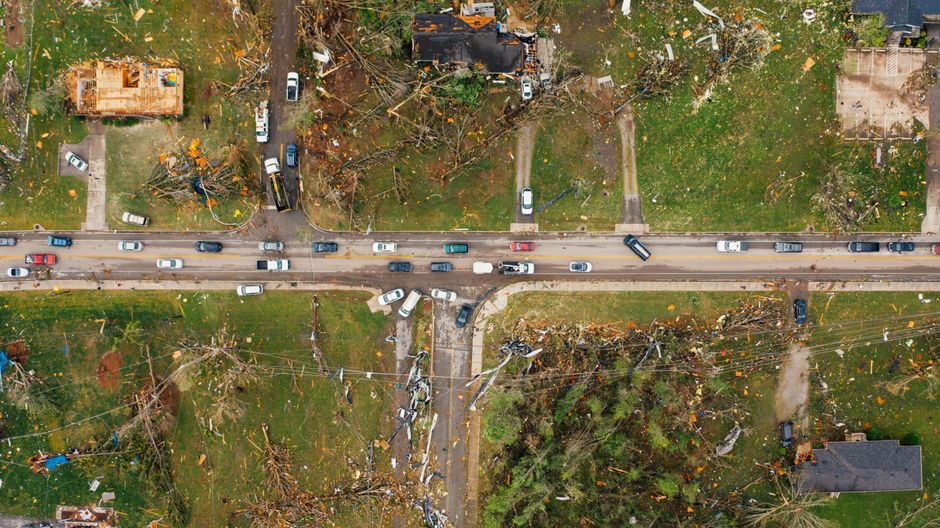
In the months following the storm, the National Weather Service (NWS) and local authorities worked tirelessly to understand the full scope of the st louis mo storm damage. Using the NWS Damage Assessment Toolkit, officials initially surveyed the area, but the numbers grew as high-resolution aerial imagery and ground data became available. Eventually, over 10,000 damage points were added to the official survey, many provided by the Missouri Structural Assessment and Visual Evaluation (SAVE) Coalition.
The recovery, however, has not been uniform. If you drive through Clayton, you’ll see manicured lawns and homes that were tarped and repaired within months. But as you move toward north side neighborhoods like the Greater Ville or Ward 12, the landscape changes. Here, the recovery has been much slower. In Ward 12 alone, nearly 2,000 properties were reported damaged.
The storm also fundamentally altered the “lungs” of our city: Forest Park. The tornado damaged or downed approximately 2,000 trees within the park. For a landscape that maintains a database of 15,000 trees, this was a devastating ecological blow that affected nesting wildlife and forced the closure of golf courses and visitor centers for weeks. For more localized information on how specific areas were hit, you can view our dedicated pages for St. Louis Storm Damage and the May 16 St. Louis and Des Arc Tornadoes – National Weather Service report.
Identifying Specific Property Vulnerabilities
Not all homes react to high winds in the same way. In our decades of experience at Martin & Sons, we’ve noticed that St. Louis’s unique mix of historic and modern architecture presents different risks during a storm.
- Roofing Shingles: High winds don’t hit a roof evenly. They target the corners, edges, and ridge lines. Even if your shingles are rated for 90 mph, damage can begin at speeds as low as 50 mph if the adhesive seals are old or brittle. You should look for Signs Your Home Needs Immediate Roof Storm Damage Repair, such as missing tabs or “bruising” from hail.
- Brick Masonry and Chimneys: Many century-old brick homes in the city faced “unresolved” damage because the cost of repairing historic masonry is so high. We often see chimney flashing issues where the seal between the brick and the roof is torn away, leading to slow-acting leaks.
- Soffit and Fascia: These are often the first things to blow off in areas like Creve Coeur Storm Damage zones or Chesterfield Storm Damage corridors, leaving your attic vulnerable to driving rain.
Challenges in the Recovery and Rebuilding Process
The “second disaster” of a tornado is often the bureaucracy and financial strain that follows. In the hardest-hit North St. Louis neighborhoods, the uninsured rate was a staggering 73%. When you combine that with the fact that many of these homes have an average value of less than $50,000, the math for rebuilding simply doesn’t work for many families.
While Governor Parson authorized $100 million in state aid and federal assistance was requested, the rollout has been fraught with challenges. One year later, only about 330 building permits have been filed for the 5,000 seriously damaged structures. That means only about one in 15 homes has seen significant progress.
We’ve also seen significant controversy regarding the emergency response. In northern St. Louis, many sirens failed to activate during the storm due to underfunding and organizational issues within emergency management. This left residents relying on phone alerts or the sound of the wind itself to know when to take cover. Today, you can still see the physical manifestation of these delays—the “blue tarp” landscape. As reported in May 2025 tornado in St. Louis was even wider than thought, updated findings say, the sheer scale of the damage points continues to overwhelm local resources.
Essential Steps for Homeowners After Severe Weather
When the clouds clear, your priority is safety. Before you even look at your roof, check for downed power lines and gas leaks. Once it is safe to move around, follow these steps to manage st louis mo storm damage:
- Document Everything: Take photos of your yard, your roof (from the ground), and any interior leaks. Do not move debris until you have captured its original position.
- Temporary Mitigation: If you have an active leak, you need Emergency Roof Repair We Can Help You immediately. Tarping a roof can prevent thousands of dollars in secondary mold damage.
- Professional Assessment: Before you call your insurance company, it is often wise to have a contractor perform an on-site assessment. We can help you identify subtle issues like ruptured adhesive seals or The Ultimate Guide to Identifying and Repairing Wind Damage.
- Check for “Stickers”: During major disasters, volunteer engineers use red (unsafe), yellow (limited entry), and green (habitable) stickers to indicate a home’s status. If your home has a red or yellow sticker, do not attempt to stay there.
For those in the middle of a crisis, our St. Louis Roofing Emergency Repair team is trained to respond quickly to stabilize your property.
Navigating Repairs in Local Communities
Depending on where you live, the permit process and local codes may vary. At Martin & Sons, we operate across the entire metro area and understand the specific requirements for:
- Florissant Storm Damage: Dealing with heavy tree cover and older ranch-style homes.
- St. Charles Storm Damage: Navigating newer subdivisions with strict HOA roofing requirements.
- O’Fallon Storm Damage: Addressing high-wind vulnerabilities in more open, exposed terrain.
- Maryland Heights Storm Damage: Handling both residential and commercial roofing impacts.
- St. Peters Storm Damage: Providing rapid response for hail and wind claims.
Frequently Asked Questions about St. Louis MO Storm Damage
What was the widest tornado recorded in St. Louis history?
The tornado that struck on May 16, 2025, is officially the widest in recorded history for the St. Louis region. According to updated National Weather Service findings, the vortex reached a maximum width of 1.8 miles (3,168 yards). This surpassed all previous records since 1950, when reliable record-keeping began. The NWS updated the assessment a year later after reviewing high-resolution aerial imagery and adding over 10,000 new damage points to the official map.
How do I identify St. Louis MO storm damage on my roof?
Look for missing or “unzipped” shingles where the wind has lifted the tabs. You should also check your gutters and downspouts for an excessive amount of granules—this looks like coarse sand and indicates your shingles have lost their protective coating. Don’t ignore curling edges or water spots on your ceiling, as these are signs of internal failure. Don’t Let Wind Damage Roofing St. Louis Blow Your Budget by waiting until a small leak becomes a major structural issue. If you’re unsure, we offer Storm Damage Repair Florissant MO We Help services including free, professional inspections.
What resources are available for St. Louis MO storm damage recovery?
The city established “STL Recovers,” a centralized hub for resources including outreach centers and debris management. Property owners may also be eligible for property tax relief if their home was significantly damaged. For immediate structural safety, the Missouri SAVE Coalition provides volunteer engineers to assess building habitability. If you are struggling with the digital divide or insurance paperwork, visiting a local outreach center in person is often the most effective way to reconnect with services.
Conclusion
Recovering from st louis mo storm damage is a marathon, not a sprint. Whether you are dealing with a few missing shingles or significant structural issues, you deserve a partner who understands the local landscape and the stress of the rebuilding process.
At Martin & Sons, we believe in doing business the right way. We offer no upfront deposits—you only pay when the job is 100% complete and you are totally satisfied. With our lifetime labor warranties and the best prices upfront, we aim to take the “disaster” out of disaster recovery. From roofing and siding to gutters and windows, we are here to help St. Louis residents rebuild stronger than before.
If you’re ready to start your recovery, visit our St. Louis Storm Damage page or give us a call at our Florissant office. We’ve been weathering these storms with you for 35 years, and we aren’t stopping now.