
What Does Window Replacement Cost in 2026?
Window replacement cost typically falls in the following ranges for most homeowners in 2026:
| Scope | Typical Cost Range |
|---|---|
| Single window | $700 – $1,200 |
| Small home (5–8 windows) | $3,500 – $7,500 |
| Mid-size home (10–15 windows) | $7,000 – $18,000 |
| Large home (20+ windows) | $15,000 – $25,000+ |
| National average per window | ~$850 |
These numbers vary based on frame material, window style, glass type, and whether you need a full-frame or retrofit installation. More on all of that below.
Replacing windows isn’t cheap — but it’s one of the more impactful upgrades you can make to a home. New windows can cut energy bills, improve comfort, boost curb appeal, and even raise your home’s resale value. Energy-efficient models alone can save up to 13% on annual energy costs, and the federal tax credit covers up to 30% of the cost (capped at $600).
That said, pricing can feel confusing. You might get one quote for $600 a window and another for $1,500 — for what seems like the same job. The difference almost always comes down to a handful of key factors that we’ll break down clearly in this guide.
I’m John Martin of Martin & Sons, and with over 35 years of hands-on experience helping homeowners navigate window replacement cost, I’ve seen what drives prices up — and where you can save without cutting corners. Let’s walk through everything you need to know before making a decision.
Understanding the Average Window Replacement Cost in 2026
When you begin researching window replacement cost, the first thing you’ll notice is the wide range of estimates. In May 2026, the national average to install a single replacement window typically starts between $632 and $967. However, depending on the complexity of the project, most homeowners find themselves spending between $300 and $2,100 per unit when all is said and done.

For a full-home project in the St. Louis area—including communities like St. Peters, O’Fallon, and Chesterfield—you can generally expect a total investment between $8,000 and $15,000. If you are living in an older, historic home in Creve Coeur or Maryland Heights, these costs can shift upward if structural repairs or custom sizing are required.
Average Costs by Frame Material
The material of your window frame is the single biggest “product” factor in your budget. Here is how the materials stack up in 2026:
| Material | Average Cost Per Window (Installed) | Key Benefit |
|---|---|---|
| Vinyl | $400 – $900 | Best value and low maintenance |
| Aluminum | $75 – $400 (Unit only) | Affordable and modern |
| Fiberglass | $500 – $1,500 | Extreme durability and insulation |
| Wood | $900 – $2,500+ | Unmatched beauty and tradition |
| Composite | $500 – $1,800 | Strength of wood, ease of vinyl |
For more detailed technical breakdowns, you can explore this Cost to Replace Windows – 2026 Average Prices – Inch Calculator.
How Material Choice Impacts Window Replacement Cost
Choosing the right material isn’t just about the “sticker price”—it’s about how that window performs over the next 20 years.
- Vinyl: This remains the most popular choice for a reason. Modern vinyl windows are incredibly energy-efficient and don’t require painting or staining. They offer a great balance of cost and performance.
- Fiberglass: If you want the “tank” of windows, this is it. Fiberglass doesn’t expand or contract like other materials, meaning seals last longer. It’s an investment in longevity, often lasting up to 40 years.
- Wood: For historic homes in St. Charles or Florissant, wood is often the preferred choice for aesthetics. While beautiful, it requires regular maintenance (painting/staining) to prevent rot.
- Aluminum: While often the most affordable, standard aluminum can be less energy-efficient unless it features a “thermal break.” It’s a popular choice for contemporary designs.
Understanding The Benefits of Replacing the Windows on Your Home can help you decide which material aligns with your long-term goals for comfort and home value.
Pricing for Common Window Styles
The way a window opens (or doesn’t) also dictates the price. A standard “hole in the wall” can vary significantly in cost based on its mechanics:
- Double-Hung ($450 – $900): The classic American window where both sashes move. Great for airflow and easy cleaning.
- Casement ($450 – $1,300): These crank outward. They offer superior sealing because the wind actually pushes the sash tighter against the frame.
- Sliding ($400 – $800): Simple, horizontal operation. Usually the most cost-effective for wider openings.
- Picture Windows ($600 – $1,100): These don’t open. Because they have no moving parts, they are very energy-efficient but can be pricey if they are large.
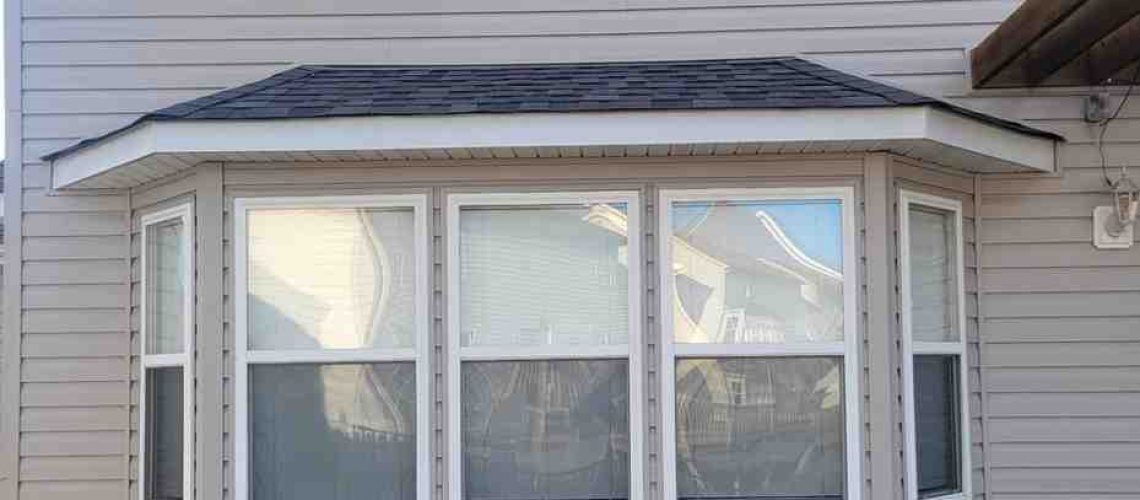
- Bay and Bow Units ($2,500 – $9,000): These are essentially “furniture for your walls.” They involve multiple windows angled together and usually require additional structural support or roofing.
Key Factors That Influence Your Total Project Price
Beyond the window itself, several “invisible” factors can impact your window replacement cost.
- Window Size: It seems obvious, but larger windows require more material and often more installers to handle the weight safely.
- Glass Packages: Moving from double-pane to triple-pane glass can add $150 to $300 per window. Adding specialty coatings like Low-E (Low Emissivity) or argon gas fills between the panes adds to the upfront cost but slashes your monthly utility bills.
- Home Age: If your home was built more than 70 years ago, there’s a higher chance of encountering lead paint, rotted sills, or non-standard opening sizes.
- Location in the House: A window on the first floor is much easier (and cheaper) to install than a heavy window on the third floor of a Maryland Heights row home.
For a deeper dive into what moves the needle on pricing, check out our guide on the Top 8 Factors That Affect Replacement Window Prices.
Long-Term Savings with Energy-Efficient Window Replacement Cost
We often tell our neighbors in St. Louis that the most expensive window is the one that lets all your expensive air conditioning leak out into the Missouri humidity.
Windows account for roughly 25% to 30% of residential heating and cooling energy use. By choosing ENERGY STAR® certified windows, you can lower your household energy bills by an average of 12% annually. In our region, this is especially important because of our freezing winters and sweltering summers.
Investing in Energy Efficient Windows Help You Save by stabilizing the temperature in your home, removing “cold spots,” and reducing the strain on your HVAC system.
Installation Methods: Retrofit vs. Full-Frame Replacement
One of the most common questions we get is: “Do I need to rip out the whole frame?” The answer significantly changes your window replacement cost.
- Retrofit (Insert) Installation: This is when we install a new window into your existing frame. It’s faster, preserves your interior trim, and usually costs $100 to $300 in labor per window. It’s a great option if your current frames are still “square” and rot-free.
- Full-Frame Replacement: This involves removing the window, the frame, and the exterior/interior trim. It’s more labor-intensive ($150 to $800 per window in labor) but allows us to inspect for hidden water damage and maximize energy efficiency.
Deciding between these two depends on the health of your home’s structure. You can learn more about What to Consider When Replacing Your Windows to see which method fits your situation. For more national data on installation labor, see the Window Replacement Cost [2026 Data] | Angi guide.
How to Save Money and Maximize Your Investment
While quality shouldn’t be sacrificed, there are smart ways to keep your window replacement cost manageable:
- Bulk Replacement: It is almost always cheaper to replace 10 windows at once than to do one window every year for a decade. Contractors often offer “volume” discounts because we only have to mobilize our crew and equipment once.
- Seasonal Timing: Demand for window replacement usually peaks in the spring and early summer. Scheduling your project in the late fall or winter can sometimes lead to faster turnaround times and more competitive pricing.
- Standardize Your Sizes: Custom-shaped windows (arches, circles) are beautiful but can triple the price of a standard rectangular unit.
- Tax Credits and Rebates: In 2026, federal tax credits for energy-efficient home improvements are a major win. You can often recoup a significant portion of your investment through these incentives.
Check out our Window Replacement Tips for Your Next Home Project for more insider advice on budgeting.
Frequently Asked Questions about Window Replacement
Is it cheaper to replace all windows at once?
Yes. When we look at the logistics, replacing all windows in one go reduces the “per-window” cost. It ensures that the aesthetics are consistent across your home and allows the installation team to work in a streamlined assembly-line fashion, which saves on labor hours. Plus, you only have to deal with the “construction zone” feel of your house once!
How long do replacement windows last in 2026?
Most high-quality vinyl or wood-clad windows will last between 15 and 30 years. Fiberglass is the longevity king, often reaching the 40-year mark. The lifespan depends heavily on the quality of the initial installation—if a window isn’t leveled and sealed perfectly, even the most expensive unit will fail prematurely.
Do new windows increase home value?
Absolutely. Real estate data consistently shows that window replacement offers a high Return on Investment (ROI), typically recouping 67% to 72% of the cost in added home value. Beyond the numbers, new windows make a home much easier to sell because buyers love the idea of lower utility bills and improved curb appeal.
Conclusion
Navigating window replacement cost doesn’t have to be a headache. Whether you’re in Florissant, St. Peters, or anywhere else in the Greater St. Louis area, the key is to balance the upfront price with the long-term value of energy savings and durability.
At Martin & Sons, we do things a little differently to make this process easier for you. We believe in our work so much that we require no upfront deposits. You only pay us when the job is 100% complete and you are totally satisfied. Plus, we back our installations with lifetime labor warranties, ensuring your investment is protected for years to come.
If you’re ready to see exactly what your project will cost, we’d love to help. Get your personalized estimate today and let’s make your home more comfortable, one window at a time.