
What Are Vinyl Clad Wood Windows — and Are They Right for Your Home?
Vinyl clad wood windows are one of the smartest window choices available today. Here’s a quick summary if you’re short on time:
| Feature | What You Get |
|---|---|
| Interior | Real wood — can be stained or painted |
| Exterior | Rigid vinyl cladding — low maintenance, weather resistant |
| Best for | Homeowners who want wood beauty without constant upkeep |
| Durability | Proven performance spanning nearly 50 years |
| Maintenance | Exterior requires no painting or staining |
| Energy | Better insulation than standard all-vinyl frames |
Simply put, vinyl-clad wood windows give you a real wood interior paired with a tough vinyl exterior shell. You get the warmth and character of wood inside your home, without the headache of maintaining a wood exterior against rain, humidity, and temperature swings.
They sit in the middle ground between all-wood windows (beautiful but high maintenance) and all-vinyl windows (durable but lacking that natural warmth). For many homeowners, it’s genuinely the best of both worlds.
I’m John Martin, and with over 35 years of hands-on experience installing and replacing windows — including vinyl clad wood systems — I’ve seen how this hybrid construction outperforms both pure wood and standard vinyl in real-world conditions. In this guide, I’ll walk you through everything you need to know to make a confident decision.
Understanding Vinyl Clad Wood Construction

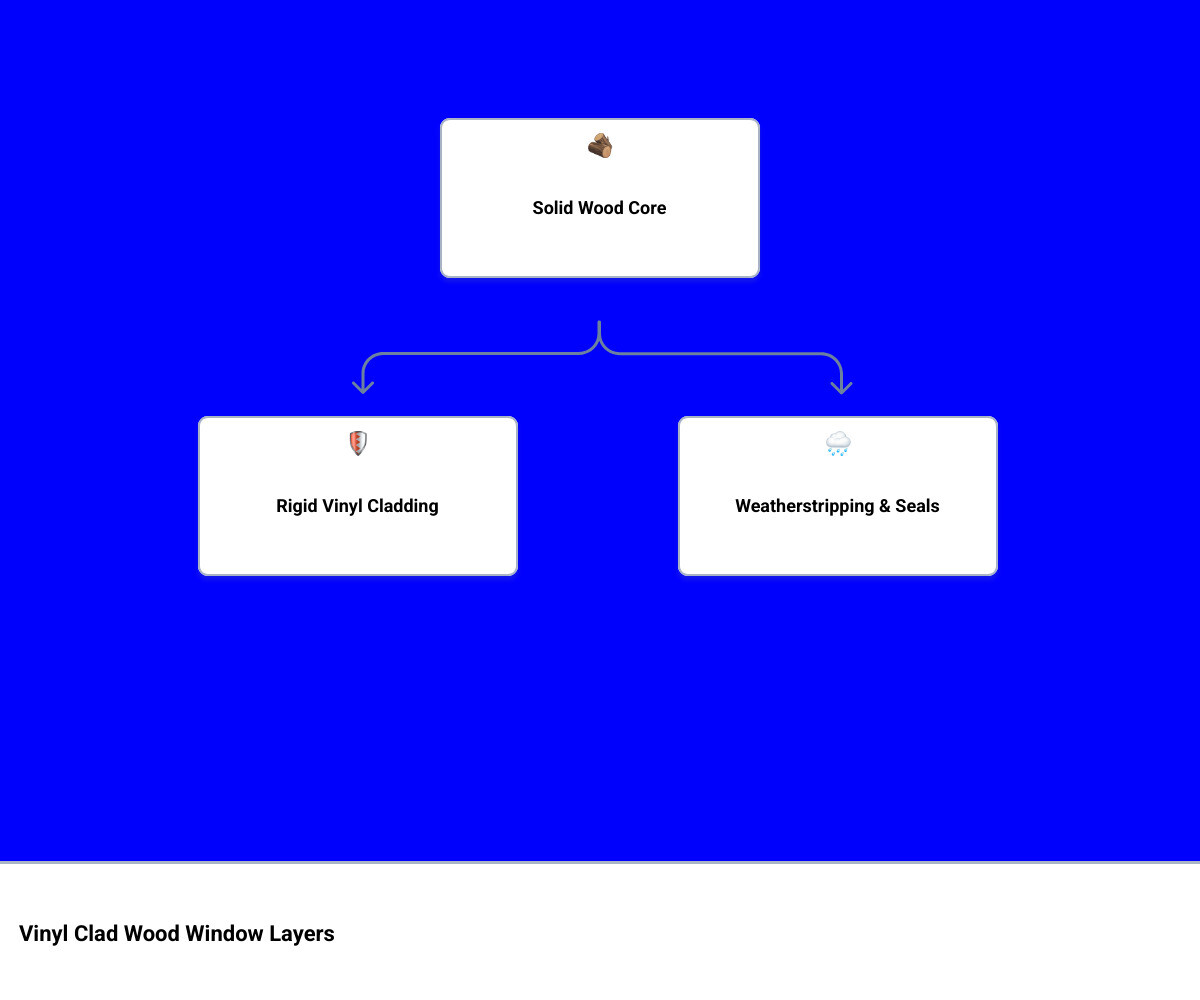
When we talk about vinyl clad wood, we are talking about a sophisticated hybrid. Unlike a standard window made from a single material, these are engineered by taking a solid wood frame and “cladding” or wrapping the exterior-facing portions in a protective layer of rigid, extruded vinyl.
This construction addresses the primary weakness of natural wood: its vulnerability to the elements. By using scientific research on vinyl material performance, manufacturers have perfected a way to bond these two materials so they act as one. The wood provides the structural backbone and natural insulation, while the vinyl acts as a suit of armor against moisture, UV rays, and pests.
Defining the Vinyl Clad Wood Hybrid
This material fusion isn’t just a thin coating; it’s an integrated system. The structural integrity of the window comes from the wood core, which is naturally rigid and resistant to the “flexing” that can sometimes plague cheaper materials. The protective shell is typically made of high-quality extruded vinyl, which is the third-largest volume plastic material in North America for a reason—it is incredibly tough. This shell is designed to shed water and resist the corrosive effects of air pollution and salt, ensuring the wood underneath stays bone-dry for decades.
How Cladding Differs from All-Vinyl Options
The biggest difference lies in the core strength and thermal stability. While all-vinyl windows are excellent for many applications, they rely entirely on the plastic frame for support. In extreme Missouri heat, all-vinyl can sometimes expand or contract more than we’d like.
With vinyl clad wood, the wood core acts as a stabilizer. Wood has a very low thermal expansion rate, meaning the window holds its shape better during our wild St. Louis temperature swings. If you want to dive deeper into the basics, you can find more info about vinyl windows here to see how they stack up against the hybrid version.
Benefits of Choosing Vinyl-Clad Over Traditional Options
Choosing the right material is a balancing act. Here is how vinyl clad wood compares to the other heavy hitters in the industry:
| Feature | Solid Wood | All-Vinyl | Vinyl-Clad Wood |
|---|---|---|---|
| Aesthetics | Unmatched | Functional | High-End |
| Maintenance | High (Paint/Stain) | Very Low | Low (Interior Only) |
| Durability | Sensitive to Rot | High | Extremely High |
| Cost | Expensive | Affordable | Mid-to-High |
The primary draw here is the low maintenance combined with natural beauty. You get the benefits of vinyl siding installation—mainly that “set it and forget it” durability—without sacrificing the high-end look of a custom wood home.
Aesthetic Versatility of Real Wood
Inside your home, you see nothing but beautiful, furniture-grade wood. Whether you prefer the classic look of Oak, the rich tones of Cherry, or the smooth grain of Maple, these windows can be stained to match your existing trim or painted any color your heart desires. This is a massive advantage over all-vinyl windows, which usually offer limited interior color choices and cannot be easily painted if you decide to change your room’s decor in five years.
The Low-Maintenance Advantage of Vinyl
On the outside, the story is completely different. The vinyl cladding means you will never have to climb a ladder to scrape, prime, or paint your window frames again. Modern vinyl is formulated for incredible color retention, meaning your white, tan, or bronze exterior will stay vibrant for the life of the product. It resists chipping, cracking, and peeling—common issues that plague painted wood windows in the humid Midwest.
Performance, Durability, and Weather Resistance
Durability is where vinyl clad wood truly shines. These windows have been in service for nearly 50 years, and the track record is impressive. Because vinyl is naturally moisture-resistant and rust-proof, it creates a barrier that prevents the leading cause of window failure: rot.
When you invest in scientific research on weather-tight window installation, you ensure that the flashing and sealing around these durable frames prevent any water from sneaking behind the cladding. Properly installed, these windows are a fortress against the elements.
Regional Factors for Vinyl Clad Wood in St. Louis
In areas like Florissant, O’Fallon, and Chesterfield, we deal with “four seasons in one week.” Our high humidity in the summer can cause standard wood to swell, while our freezing winters make it contract. This constant movement can break the seals on glass units.
Vinyl clad wood is particularly well-suited for our climate because the vinyl exterior is non-porous. It doesn’t soak up the Missouri humidity. By choosing durable vinyl options for a lifetime, you are picking a material that is literally built to withstand the “Gateway to the West” weather patterns.
Energy Efficiency and Thermal Insulation
Wood is one of nature’s best insulators. It doesn’t conduct heat or cold easily, which keeps your conditioned air inside where it belongs. When you combine a wood core with a multi-chambered vinyl frame, you get a window with exceptional thermal performance.
Many of these systems are ENERGY STAR certified, helping you save significantly on your utility bills. If you are looking for more info about picking the perfect vinyl for your house, insulation value should be at the top of your list. The hybrid construction reduces heat transfer more effectively than many thin-walled all-vinyl or aluminum alternatives.
Customization and Curb Appeal
Your windows are one of the few home features that affect both your interior design and your exterior curb appeal. Vinyl clad wood offers a level of customization that is hard to beat. From traditional double-hung styles to modern casements and grand bay windows, the options are nearly limitless.
You can also stay on top of vinyl siding color trends you won’t want to miss by matching your window cladding to your home’s exterior palette. Popular choices in May 2026 include deep charcoals and classic whites that provide a crisp, clean look.
Impact on Home Resale Value
Window replacement is widely considered one of the best home improvements for ROI (Return on Investment). In fact, high-quality replacement windows can offer up to an 85% return on investment.
There is a “luxury perception” associated with wood windows. When a potential buyer walks into a home in Creve Coeur or St. Charles and sees real wood grain instead of plastic frames, it immediately elevates the home’s value. You’re upgrading your curb appeal with seamless vinyl siding in St. Louis and matching it with windows that look like they belong in a custom estate.
Matching Interior and Exterior Decor
The beauty of the hybrid model is that you don’t have to choose between a house that looks good from the street and a house that feels cozy inside. You can have a sleek, black vinyl exterior to match a modern farmhouse aesthetic, while keeping a warm, stained Oak interior to match your hardwood floors and antique furniture. It is a seamless integration that all-vinyl windows simply can’t replicate.
Cost Analysis and Long-Term Value
Let’s talk numbers. Are vinyl clad wood windows more expensive than standard vinyl? Yes. But are they a better value in the long run? Almost always.
When calculating the lifetime cost of vinyl siding installation, repairs, and maintenance, you have to look at the “cost per year of service.” A cheap window that needs replacing in 10 years is far more expensive than a premium vinyl-clad window that lasts 30 or 40 years.
Installation Best Practices for Vinyl Clad Wood
At Martin & Sons, we always tell our customers that a window is only as good as its installation. Because vinyl clad wood windows involve two different materials, they must be fitted professionally to allow for natural expansion and contraction. Proper air sealing and waterproofing are critical. We provide a lifetime labor warranty because we know that when these windows are installed correctly, they don’t fail.
Comparing Initial Costs to Standard Vinyl
While standard vinyl windows are the most affordable option, the premium pricing of vinyl clad wood reflects the material volume and the complexity of the manufacturing. You are paying for real lumber and the patented technology required to bond the vinyl to it. However, when you factor in the energy savings and the increase in home equity, the “gap” in price often pays for itself within a few years.
Frequently Asked Questions about Vinyl Clad Windows
Can you paint the exterior of vinyl-clad wood windows?
Generally, no. The vinyl cladding is designed to be a “forever finish.” While there are specific paints made for vinyl, most manufacturers advise against it as it can void the warranty. The good news is that the color is extruded throughout the material, so it won’t ever need a touch-up.
How long do vinyl-clad wood windows typically last?
With proper installation and minimal interior maintenance, these windows can easily last 30 to 50 years. The vinyl exterior prevents the rot that usually kills wood windows, while the wood core provides the strength to keep the window operating smoothly for decades.
Are vinyl-clad windows better than aluminum-clad windows?
“Better” depends on your needs. Aluminum cladding is very strong and can be painted, but vinyl-clad windows typically offer better thermal insulation (aluminum conducts cold/heat) and are often more resistant to denting from hail or stray baseballs.
Conclusion
At Martin & Sons, we’ve spent decades helping homeowners in St. Louis, Florissant, and O’Fallon find the perfect balance between beauty and durability. We believe in the quality of vinyl clad wood so much that we offer them with no upfront deposits—you only pay when you are 100% satisfied with the completion of the job.
Whether you are in Maryland Heights or Chesterfield, our team is ready to help you navigate the pros and cons of vinyl windows and determine if a vinyl-clad hybrid is the right fit for your family. With our lifetime labor warranties and upfront pricing, you can rest easy knowing your home is in good hands.
Ready to see the difference for yourself? Give us a call at our Florissant office or any of our St. Louis area locations to schedule your free consultation. Let’s build something beautiful together.