
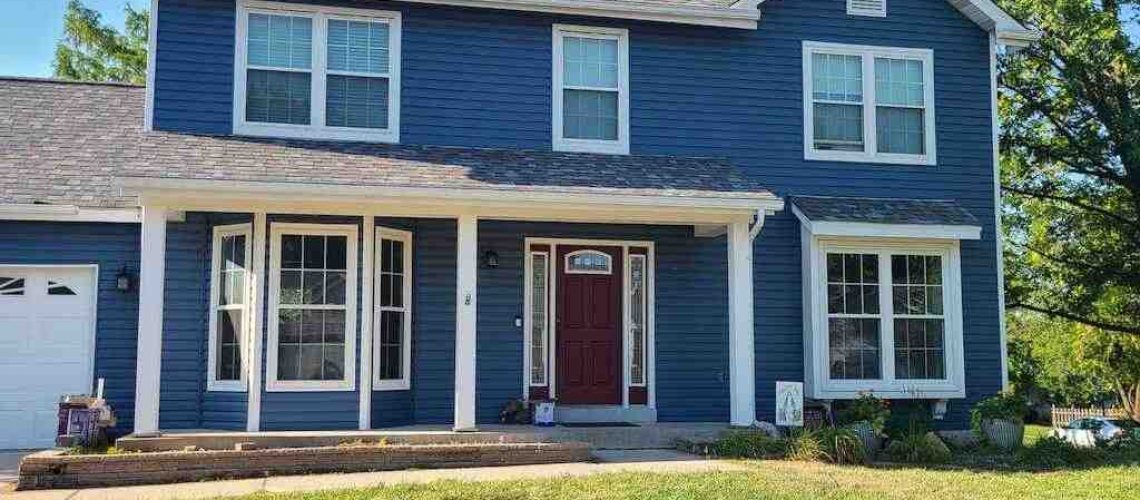
What Every Homeowner Should Know Before Starting a Door Installation
Door installation is one of the most impactful upgrades you can make to your home — affecting security, energy efficiency, and curb appeal all at once.
Here’s a quick overview of what to expect:
| Factor | Typical Range |
|---|---|
| Interior door installation | $200 – $600 |
| Exterior door installation | $400 – $2,000 |
| Front door replacement | $500 – $2,000+ |
| Labor cost (interior) | $100 – $300 |
| Labor cost (exterior) | $300 – $600+ |
| Time to install | 2 – 6 hours |
The right door — properly installed — keeps air and water out, improves home security, and can lower your energy bills. The wrong installation does the opposite: drafts, leaks, and binding doors that never quite close right.
This guide walks you through everything: costs, door types, step-by-step installation, common mistakes, and finishing details.
I’m John Martin of Martin & Sons, a family-owned contractor with over 35 years of hands-on door installation experience serving the St. Louis area. We’ve handled everything from simple interior swaps to full exterior frame replacements, and I’ll share what actually works in the field.
Understanding the Costs of Professional Door Installation

Door installation costs depend on the door, the opening, the material, and how much work is needed around the frame. A simple bedroom door swap is a very different project than replacing a front entry system with rot repair, new flashing, and upgraded hardware.
In 2026, most homeowners can expect door installation to fall somewhere between $200 and $1,800, with some custom exterior, patio, or specialty projects costing more.
Here is a practical cost comparison:
| Door Type | Typical Installed Cost | Typical Labor Range | Notes |
|---|---|---|---|
| Interior door | $200 – $600 | $100 – $300 | Usually faster, less weatherproofing required |
| Exterior door | $400 – $2,000+ | $300 – $600+ | Requires sealing, flashing, security hardware |
| Front entry door | $500 – $2,000+ | $300 – $800+ | Material, glass, sidelites, and locks affect price |
| Storm or screen door | $100 – $1,000 | Varies | Often added over an existing entry door |
| Patio door | $500 – $3,500+ | Varies | Sliding and French styles need careful alignment |
| Barn door | $200 – $5,000 | Varies | Hardware, wall blocking, and custom slabs affect cost |
| Bifold door | $300 – $700 | Varies | Common for closets and laundry areas |
| Pocket door | $500 – $3,500 | Varies | More labor if wall framing must be opened |
A door is not just a rectangle that swings. It is part of your home’s building envelope. That means it has to manage air, water, security, thermal transfer, and daily use. If it is an exterior door, it also has to handle St. Louis weather – hot summers, cold winters, wind-driven rain, and humidity that likes to test every weak spot.
If energy efficiency is one of your goals, we recommend reading our guide on how new door installation can improve your home’s energy efficiency.
Door Types and Materials
The main types of doors we see in St. Louis, St. Peters, St. Charles, Florissant, Chesterfield, Creve Coeur, Maryland Heights, and O’Fallon include:
- Interior doors: Used for bedrooms, bathrooms, closets, offices, basements, and laundry rooms.
- Exterior entry doors: Front, side, and back doors designed for security and weather resistance.
- Pre-hung doors: A complete unit with the door slab already mounted in a frame with hinges.
- Slab doors: Just the door panel, installed into an existing frame.
- Fiberglass doors: Durable, energy efficient, and resistant to warping, rotting, denting, and splitting.
- Steel doors: Strong, secure, and often budget-friendly for exterior entries.
- Wood doors: Classic and beautiful, but they need proper finishing and maintenance.
- Patio doors: Sliding glass doors, hinged patio doors, and French doors.
- Barn doors: Interior sliding doors mounted on exposed track hardware.
- Storm doors: Secondary exterior doors that add weather protection and ventilation.
- Bifold doors: Common for closets, pantries, and utility spaces.
- Pocket doors: Doors that slide into a wall cavity to save space.
For interior projects, one of the biggest decisions is solid core vs. hollow core.
- Hollow core doors are lighter and usually less expensive. They work well for closets and low-traffic rooms.
- Solid core doors cost more, but they feel sturdier and reduce sound better. We like them for bedrooms, offices, and bathrooms where privacy matters.
For exterior projects, fiberglass and steel are the most common choices. Fiberglass is popular because it resists swelling and warping, which matters in Missouri humidity. Some modern fiberglass systems also include advanced sealing packages. For example, research on Masonite exterior fiberglass systems notes that certain 4-point performance seal designs are rated significantly better at resisting air and water compared with leading alternatives. The takeaway is simple: the seal system matters as much as the slab.
A beautiful door with a poor seal is like wearing a winter coat with the zipper open. Looks nice. Does not help much.
Key Cost Factors and Labor Rates
Several factors affect the final price of a door project:
- Interior vs. exterior: Exterior doors cost more because they require weatherproofing, thresholds, flashing, locks, and sometimes framing repairs.
- Pre-hung vs. slab: A slab is usually cheaper if the existing frame is square and in good condition. A pre-hung door is better when the frame is damaged, out of square, or being upgraded.
- Door material: Steel is often more affordable. Fiberglass and wood can cost more depending on style, glass, finish, and configuration.
- Door size: Standard sizes cost less. Oversized, double, arched, or custom openings increase labor and material costs.
- Solid vs. hollow core: Solid core interior doors cost more but improve durability and sound control.
- Framing condition: Rotted jambs, soft subfloors, damaged headers, and out-of-square openings add labor.
- Old door removal: Removal and disposal may add roughly $50 to $80 for some interior doors and $80 to $200 for exterior doors, depending on complexity.
- Hardware: Locksets, deadbolts, smart locks, hinges, closers, handles, and strike plates all affect the total.
- Glass and sidelites: Decorative glass, privacy glass, sidelites, and transoms raise the price and require more careful installation.
- Finish work: Painting, staining, trim, caulking, and weatherstripping can add cost but are essential for a finished job.
At Martin & Sons, we believe pricing should be clear before work begins. We provide best prices upfront, and we do not ask for upfront deposits. You pay when the project is completed and you are satisfied.
Preparing for a Successful Entry Door Setup
A successful door installation starts before the new door ever touches the opening. The measuring and inspection stage is where many future problems are either prevented or accidentally created.
Before we install, we check:
- Door size
- Swing direction
- Handing
- Wall thickness
- Frame condition
- Floor level
- Trim condition
- Existing water damage
- Threshold support
- Rough opening dimensions
- Clearance for flooring and rugs
- Lock and deadbolt alignment
- Exterior siding, brick, or trim conditions
For exterior doors, we also look closely at drainage. Water should be directed away from the opening, not invited inside like it owns the place.
Tools, Materials, and Safety Gear
Professional installers use basic carpentry tools, but the skill is in knowing how to use them in the right order.
Essential tools and materials include:
- Tape measure
- 4-foot level
- 2-foot level
- Framing square
- Hammer
- Drill and driver bits
- Utility knife
- Pry bar
- Reciprocating saw
- Caulk gun
- Wood or composite shims
- Exterior-grade sealant
- Flashing tape
- Sill pan
- Low-expansion door and window foam
- Fiberglass insulation, when appropriate
- 3-inch screws for hinges and strike plates
- Finish nails or trim fasteners
- Safety glasses
- Work gloves
- Hearing protection
- Dust mask or respirator when cutting old materials
- Drop cloths
- Two-person lifting help for heavy units
Safety matters. Exterior pre-hung doors can be heavy, awkward, and easy to damage if handled incorrectly. Manufacturer installation guides commonly recommend using at least two people. We agree. Doors are not the place to prove you are stronger than gravity.
If the home was built before 1978, painted surfaces may contain lead-based paint. In that case, safe work practices are important when removing trim, sanding, or cutting.
Rough Opening Preparation and Sill Pans
The rough opening is the framed hole where the door unit sits. It must be:
- Square: The diagonal measurements should be very close. Many manufacturer instructions allow no more than about 1/4 inch deviation from square.
- Level: The sill area must be flat and level, typically within about 1/8 inch.
- Plumb: The side framing should be straight up and down, also commonly within about 1/8 inch.
- Structurally sound: No rot, loose framing, crumbling masonry, or unsupported threshold areas.
- Properly sized: A common rough opening for a 36-inch by 80-inch pre-hung exterior door is about 38 inches wide by 82-1/2 inches tall, though actual product instructions always control.
For technical details, manufacturer instructions such as the JELD-WEN Installation Instructions emphasize proper rough opening inspection, sill pan installation, shimming, fastening, and sealing.
A sill pan is one of the most important parts of exterior door installation. It sits under the threshold and directs incidental water back outside before it can soak into the subfloor or framing.
A good sill pan setup should:
- Slope or drain toward the exterior
- Integrate with flashing tape
- Tie into the weather-resistive barrier where possible
- Protect the subfloor beneath the threshold
- Avoid trapping water inside the wall
- Maintain the manufacturer’s warranty requirements
Skipping the sill pan is one of those shortcuts that can stay hidden for a while. Then one day the floor feels soft, the trim stains, or the door starts smelling like a wet basement. Not ideal.
How to Execute a Flawless Pre-Hung Door Setup
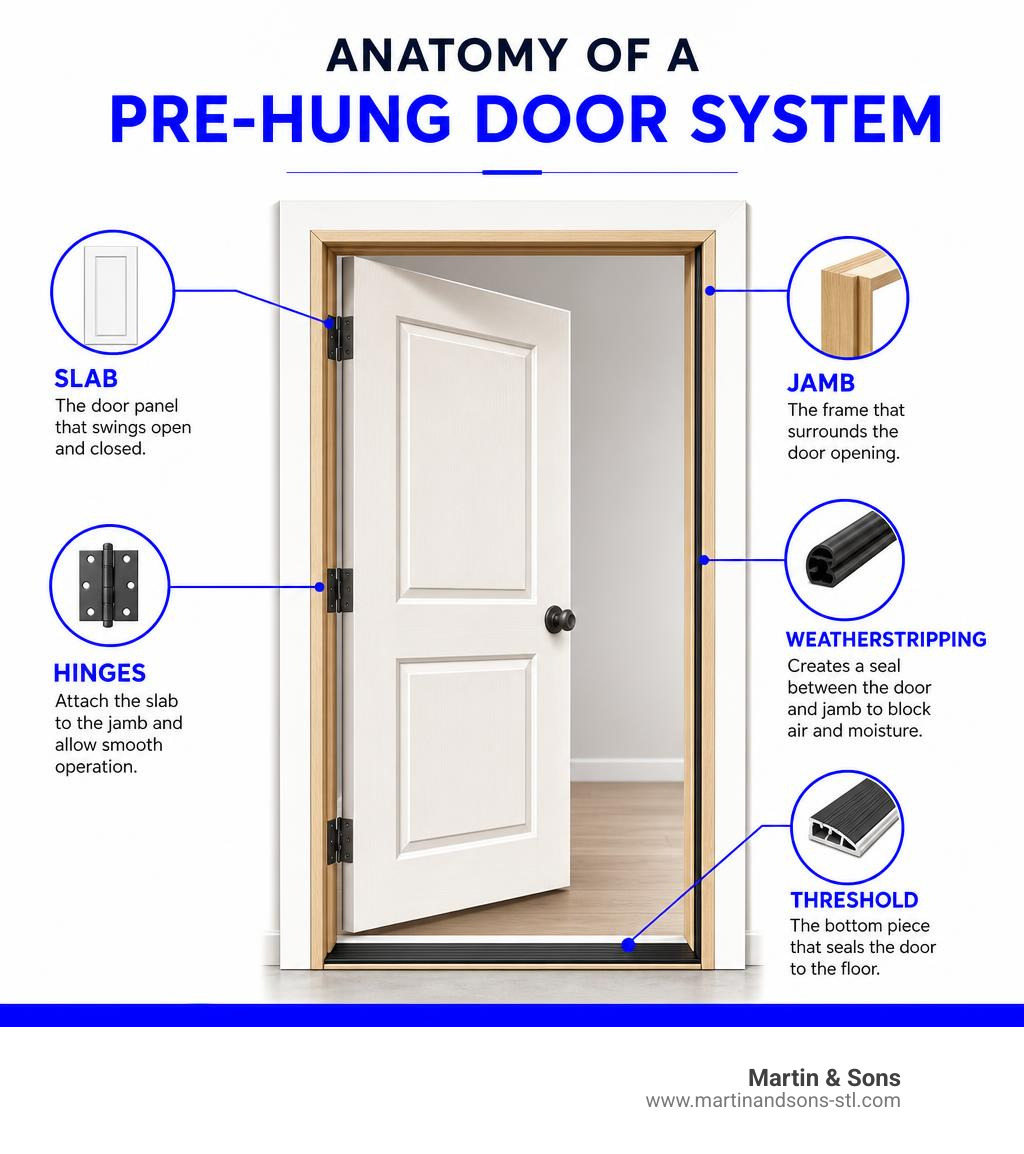
A pre-hung exterior door is a factory-assembled unit that usually includes:
- Door slab
- Jamb frame
- Hinges
- Threshold
- Weatherstripping
- Brickmould or exterior trim on some units
- Pre-bored holes for lockset and deadbolt
The goal is simple: set the unit square, plumb, level, sealed, supported, and secured. The execution is where experience matters.
Step-by-Step Exterior Door Installation Process
For a detailed manufacturer-style reference, the Pease Doors Installation Guide outlines practical steps for rough opening checks, sill pan setup, shimming, fastening, sealing, and finishing.
Here is the field-tested process we follow for a typical pre-hung exterior door:
Protect the work area
We lay down drop cloths, remove nearby obstacles, and protect flooring. Door replacement can involve dust, old caulk, nails, and trim removal.
Remove the old door
The slab comes off first, then interior trim, exterior trim if needed, fasteners, threshold, and frame. We work carefully to avoid damaging siding, drywall, flooring, and surrounding finishes.
Inspect the opening
We check the subfloor, jack studs, header, sheathing, and surrounding materials. If we find rot or water damage, it needs to be repaired before the new unit goes in.
Measure the rough opening
We measure width at the top, middle, and bottom. We measure height at both sides and center. We use the smallest dimensions to verify fit.
Check square, level, and plumb
We compare diagonal measurements, check the sill for level, and make sure side framing is plumb. If the opening is out of tolerance, we correct it before installing.
Install or prepare the sill pan
We apply exterior-grade sealant, set the sill pan, and integrate flashing tape so water drains outward. On step-down landings and continuous slab landings, the details differ, but the goal is the same: water must have a path out.
Dry-fit the door
Before applying final sealant, we place the unit in the opening to confirm clearance, swing, sill support, and reveal. This is the “measure twice, avoid saying bad words later” step.
Apply sealant beads
We use manufacturer-recommended exterior sealant at the sill and behind exterior trim. Some instructions call for multiple beads under the threshold. The exact pattern depends on the door system and sill condition.
Set the door into the opening
The bottom goes in first, then the unit is tilted into place. We center it in the opening and make sure the threshold is fully supported.
Shim the hinge side
Shims go behind hinge locations to keep the jamb straight and supported. We check the hinge jamb for plumb before fastening.
Shim the lock side
We adjust the lock side to create an even reveal around the door, usually about 1/8 inch. The door should close smoothly without rubbing.
Fasten the frame
We fasten through the jamb into framing according to manufacturer instructions. Long screws are often used through the top hinge into the stud to reduce sag over time.
Reinforce the lock area
We install longer screws through the deadbolt strike plate into solid framing. This improves security and helps the lock side stay stable.
Check operation
The door should swing smoothly, latch cleanly, and sit evenly against the weatherstripping. We check the reveal around the top and sides.
Insulate the gap
We use low-expansion foam labeled for doors and windows, or fiberglass insulation where appropriate. Standard high-expansion foam can bow jambs inward and cause binding.
Seal the exterior
We caulk exterior joints where needed, but we avoid blocking designed drainage paths. Some installations need weep gaps at the bottom so trapped water can escape.
Install trim and hardware
Interior casing, exterior trim, lockset, deadbolt, sweep adjustments, and final touch-ups complete the project.
Final test
We test the lock, latch, reveal, threshold seal, weatherstripping contact, and swing. A common threshold check is the paper test: close the door on a piece of paper at the sill. You should feel resistance when pulling it, but the paper should not tear.
Retrofit vs. New Construction Waterproofing
There is a major difference between installing a door in new construction and replacing a door in an existing home.
In new construction, the wall is usually open enough to integrate building wrap, flashing, sill pan, and exterior cladding in the ideal order. Flashing can be layered shingle-style so water naturally drains down and out.
In a retrofit or replacement, the installer has to work with existing siding, brick, trim, drywall, flooring, and sometimes unknown conditions hidden inside the wall. That makes waterproofing more delicate. The old door may have leaked for years, and the damage may not be visible until removal.
Retrofit installation often requires:
- Careful removal of old trim
- Inspection for hidden rot
- Repairing or rebuilding part of the rough opening
- Integrating new flashing with existing building wrap
- Adding a sill pan where one did not exist
- Sealing without trapping water
- Matching or replacing interior and exterior trim
Modern homes are often tighter than older homes. That is good for energy efficiency, but it can also create pressure differences that pull water through small gaps if flashing and sealing are poor. That is why water management is not optional.
If you are planning doors and windows together, we explain the value of coordinating both trades in Double the Duty Hiring Door and Window Experts.
Post-Installation Finishing and Troubleshooting
Once the door is installed, the job is not finished until it is sealed, protected, adjusted, and tested. The finishing stage affects appearance, performance, and warranty coverage.
We check:
- Smooth swing
- Even reveals
- Proper latch alignment
- Deadbolt throw
- Weatherstripping contact
- Threshold seal
- Sweep contact
- Exterior caulking
- Interior air seal
- Trim fit
- Paint or stain needs
- Manufacturer finishing requirements
Common Door Installation Mistakes to Avoid
The most common installation problems usually come from rushing the prep work or ignoring water management.
Avoid these mistakes:
- Skipping the rough opening check: If the opening is out of square, the door will fight you forever.
- Installing over rot: New doors need solid framing. Rotten wood will not hold fasteners or seals.
- No sill pan: Exterior doors need drainage protection under the threshold.
- Using standard expanding foam: It can push jambs inward and cause the door to bind.
- Over-tightening screws: This can twist the jamb and create uneven gaps.
- Poor shimming: Shims should support hinge and strike areas, not randomly fill space.
- Uneven reveals: Gaps around the slab should be consistent.
- Caulking drainage paths shut: Water needs a way out.
- Forgetting long screws: Short hinge and strike screws do not provide the same security or sag resistance.
- Not finishing all sides: Exterior doors often require all six sides to be painted or stained for warranty protection.
- Ignoring manufacturer instructions: Local code and product instructions matter.
Troubleshooting common issues:
| Problem | Likely Cause | Fix |
|---|---|---|
| Door rubs at top | Hinge side out of plumb or sagging | Adjust shims, install long hinge screw |
| Door will not latch | Strike plate misaligned | Adjust strike plate or jamb position |
| Uneven gaps | Frame not square or shims misplaced | Re-shim and refasten jamb |
| Door binds near lock side | Foam expanded too much or jamb bowed | Remove excess pressure, re-shim |
| Water at threshold | Poor sill pan, blocked drainage, bad sealant | Inspect flashing, reseal, restore drainage |
| Drafts | Weatherstripping or sweep not contacting | Adjust threshold, replace weatherstripping |
Finishing Touches: Sealing, Painting, and Hardware
Finishing is more than making the door pretty, although we do like pretty doors. It protects the material and helps the system perform.
Important finishing steps include:
- Paint or stain all six sides: Front, back, top, bottom, hinge edge, and latch edge. This is especially important for wood doors, but many exterior door warranties require full finishing.
- Use exterior-grade coatings: Interior paint is not enough for exterior exposure.
- Install lockset and deadbolt properly: The latch and deadbolt should move freely without forcing.
- Reinforce strike plates: Long screws into framing improve security.
- Inspect weatherstripping: It should make consistent contact without preventing the door from closing.
- Adjust the threshold: Many thresholds have adjustable caps to improve the bottom seal.
- Caulk exterior joints: Seal where trim meets siding or masonry, while preserving weep paths.
- Create an interior air seal: Low-expansion foam or backer rod and sealant help stop drafts.
- Keep warranty paperwork: Save product labels, order details, and care instructions.
For exterior doors in direct sun, lighter or medium paint colors may reduce heat buildup compared with very dark colors. Always follow the door manufacturer’s finishing instructions.
Frequently Asked Questions About Door Projects
Here are the questions we hear most often from homeowners around the St. Louis area.
What is the typical timeline for a professional setup?
A standard professional door installation usually takes 2 to 6 hours.
Interior doors are typically faster because there is no exterior flashing, sill pan, or weatherproofing. A simple interior slab or pre-hung door may take a couple of hours if the opening is in good shape.
Exterior doors usually take longer because they involve:
- Removing the old frame
- Inspecting for water damage
- Preparing the rough opening
- Installing sill pan or flashing
- Setting and shimming the unit
- Securing hinges and lock areas
- Insulating the frame gap
- Caulking and weatherproofing
- Installing hardware
- Testing operation
If there is rot, framing damage, masonry work, custom trim, or a non-standard opening, the job can take longer. That extra time is worth it. Door installation is one of those projects where “fast” and “right” are not always close friends.
What is the difference between a slab door and a pre-hung door?
A slab door is just the door panel. It does not include the frame, hinges, threshold, or weatherstripping. Slab doors are often used when the existing frame is square, solid, and in good condition.
A pre-hung door is a complete factory-assembled system. It usually includes the slab, jambs, hinges, and, for exterior doors, a threshold and weatherstripping.
Choose a slab door when:
- The frame is in excellent condition
- You want to keep existing trim
- The opening is square
- You are replacing an interior door
- You want a lower-cost option
Choose a pre-hung door when:
- The existing frame is damaged
- The door is exterior
- The old jamb is out of square
- You want better sealing
- You are changing door style or swing
- You need a new threshold or weatherstripping
For exterior projects, we often prefer pre-hung systems because the door, frame, threshold, and weatherstripping are designed to work together.
Why is a sill pan necessary for exterior doors?
A sill pan protects the area below the threshold. Even well-installed exterior doors can experience incidental water from wind-driven rain, melting snow, or failed caulk over time.
The sill pan gives that water a controlled path back outside instead of letting it soak into:
- Subflooring
- Framing
- Interior flooring
- Baseboards
- Wall cavities
- Insulation
Many manufacturer instructions require a sill pan or equivalent drainage method for warranty compliance. Technical guidance, including standards reflected in exterior pre-hung door instructions, commonly emphasizes that the sill area must drain to the exterior.
In plain English: caulk is not a plumbing system. It helps seal, but the door still needs drainage.
Conclusion
A great door does more than open and close. It protects your home, improves comfort, boosts curb appeal, and helps manage energy loss. But the door itself is only half the story. The installation determines whether it performs the way it should.
The most effective solution for door installation is a complete approach:
- Choose the right door type and material
- Measure carefully
- Prepare the rough opening
- Use a proper sill pan for exterior doors
- Flash and seal correctly
- Shim with patience
- Fasten into solid framing
- Use low-expansion insulation
- Finish all required surfaces
- Test operation before calling the job complete
At Martin & Sons, we bring decades of hands-on home improvement experience to every project across St. Louis, St. Peters, St. Charles, Florissant, Chesterfield, Creve Coeur, Maryland Heights, and O’Fallon. We also keep the process simple: no upfront deposits, best prices upfront, payment only when the work is 100% complete and you are satisfied, and lifetime labor warranties.
If you are comparing door styles, materials, and installation options, start with our Choosing the Best Doors for Your Home Door Installation Guide.
Your door should welcome guests, block drafts, resist water, and close with a satisfying click. If it sounds like a haunted house or needs a shoulder bump to latch, we should probably talk.