Why St. Louis Homeowners Need Reliable Flat Roof Solutions
St louis flat roof repair is essential for protecting modern homes with low-slope roofing systems from water damage, energy loss, and structural deterioration. Here’s what St. Louis homeowners need to know:
Quick Guide to Flat Roof Repair Needs:
- Common Materials: TPO, EPDM rubber, Modified Bitumen, and Built-up Roofing (BUR)
- Typical Repair Costs: $7,400–$16,584 depending on size and complexity (based on recent St. Louis projects)
- Lifespan: EPDM roofs last 20+ years with proper maintenance
- Warning Signs: Ponding water, blistering, cracking, seam failures, or visible hail impacts
- Best Timing: Spring and fall inspections to prepare for severe weather
- Energy Savings: TPO systems can reduce cooling costs by up to 30%
If you’re dealing with a leaking flat roof on your porch, addition, or entire home, you’re not alone. As one frustrated St. Louis homeowner shared on Reddit, finding a reliable contractor for residential flat roof work can be challenging—many companies focus only on commercial properties or cancel appointments at the last minute.
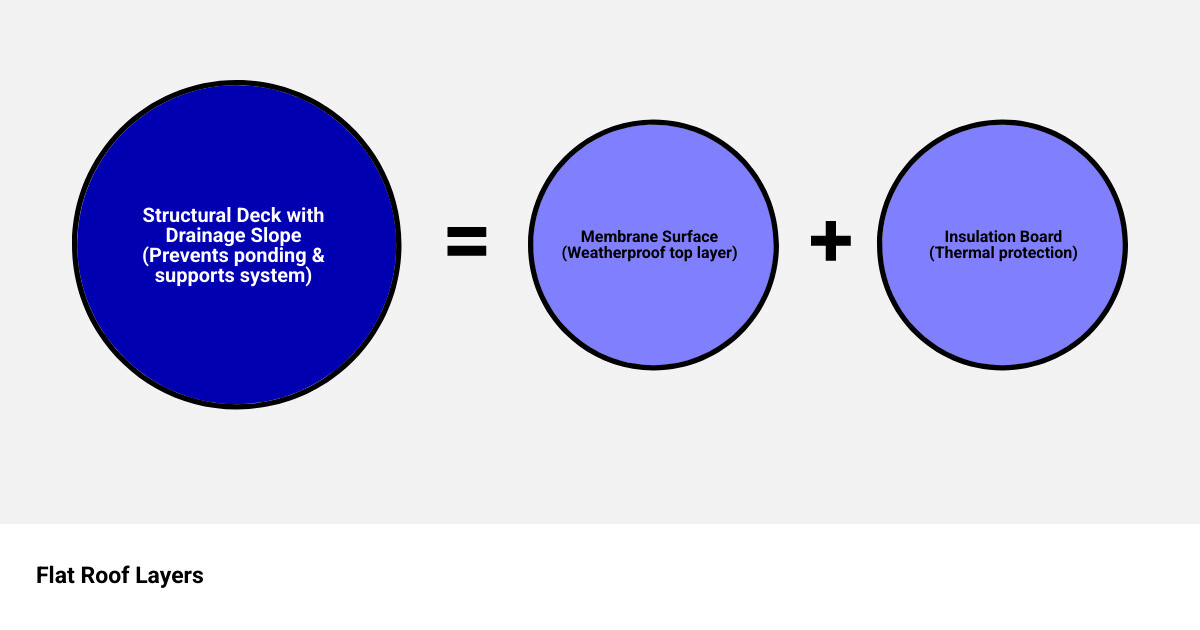
Flat roofs are common on St. Louis residential properties, especially on porches, rear additions, and modern low-slope homes. Unlike traditional pitched roofs, these systems rely on membrane materials and proper drainage to keep water out. When problems develop—whether from our harsh Midwest winters, summer storms, or simple wear and tear—addressing them quickly prevents expensive interior damage.
The good news? With the right materials and experienced repair work, your flat roof can provide decades of reliable protection. Understanding your options helps you make informed decisions and avoid costly mistakes.
Common Flat Roofing Systems in St. Louis
When we talk about st louis flat roof repair, the first thing we look at is the material. St. Louis has a unique architectural history, and you’ll find everything from century-old built-up roofs in Soulard to modern TPO systems in Chesterfield. Each material behaves differently under the “Gateway Arch” sun and snow.
- TPO (Thermoplastic Polyolefin): This is the “cool kid” of the roofing world. It’s a white, fabric-like membrane that reflects sunlight beautifully. Because the seams are heat-welded, they become incredibly strong—often stronger than the membrane itself.
- EPDM (Ethylene Propylene Diene Monomer): Think of this as a giant rubber inner tube for your house. It’s incredibly durable and flexible, which is great for St. Louis’s temperature swings. However, because it’s usually black, it can get quite hot in the summer unless a reflective coating is added.
- Modified Bitumen: This is an evolution of the old-school asphalt roof. It comes in rolls and is usually “torched down” or applied with cold adhesive. It’s a fantastic choice for residential porches and additions because it handles foot traffic well and is very thick.
- Built-up Roofing (BUR): The “old-school” method involving layers of felt and hot tar, often topped with gravel. While it’s heavy and messy to install, it’s a tank of a roof.
More info about roofing services
Residential vs. Commercial Applications
While flat roofs are the standard for warehouses in Earth City or office buildings in Clayton, they play a huge role in residential architecture too. Many homes in the St. Louis area feature low-slope structures on rear additions, garage transitions, or those charming walk-out balconies.
In residential settings, we often see “troughs” or valley areas where a flat roof meets a pitched shingle roof. These are high-risk zones for leaks. We also use specialized American WeatherStar restoration systems to extend the life of existing membranes without a full tear-off, which is a budget-friendly move for homeowners.
Energy Efficiency and Reflectivity
One of the biggest perks of modern flat roofing is the “cool roof” effect. In our humid St. Louis summers, a dark roof can reach 150 degrees. A white TPO membrane can reduce cooling costs by up to 30%. This UV resistance doesn’t just save you money on Ameren bills; it also prevents the material from becoming brittle and cracking prematurely.
To keep these systems performing at peak efficiency, regular check-ups are vital. You can learn more about how we handle this at st-louis/roofing/maintenance.
Expert Solutions for st louis flat roof repair
When it comes to st louis flat roof repair, we aren’t just slapping a patch on a hole. Flat roofs require a surgical approach. Because water doesn’t run off them as quickly as a shingle roof, a tiny pinhole can lead to a massive headache.
Common issues we solve include:
- Seam Failure: The most common culprit. Over time, adhesives can dry out or heat welds can stress.
- Punctures: Whether it’s a fallen branch from a Missouri storm or a stray tool, punctures are common.
- Flashing Leaks: Where the roof meets a wall or a chimney is where 90% of leaks start.
If you suspect a leak, don’t wait for the ceiling to turn brown. Check out our specialized repair services at st-louis/roofing/repair.
Identifying the Need for st louis flat roof repair
How do you know if your roof is crying for help? Sometimes it’s obvious, but often the signs are subtle.
- Ponding Water: If you see “lakes” on your roof 48 hours after a rain, your drainage is failing.
- Blistering: This looks like bubbles under the surface. It usually means moisture is trapped inside the roof layers.
- Organic Growth: If you have a rooftop garden you didn’t plant (moss or grass), you have a moisture problem.
For a deeper dive into what to look for, read our guide on signs-of-roof-damage-you-should-never-ignore.
Addressing Storm and Hail Damage
St. Louis weather is… well, it’s a roller coaster. We get everything from “Is it spring or winter?” temperature swings to massive hailstorms. Hail is particularly tricky on flat roofs. On a TPO or PVC roof, hail can create “star cracks” or bruise the insulation board underneath, leading to soft spots.
If a storm hits Florissant or St. Charles, we offer emergency tarping to stop the bleeding while we work with your insurance. You can find more on managing these situations at st-louis/storm-damage.
Cost Factors and Material Performance in the Midwest
Budgeting for st louis flat roof repair or replacement can feel like a guessing game. To give you a clearer picture, we’ve broken down the typical expectations for our region.
| Material Type | Avg. Cost (per sq. ft.) | Expected Lifespan | St. Louis Climate Performance |
|---|---|---|---|
| TPO | $8.00 – $12.00 | 15-20 Years | Excellent (Best for cooling) |
| EPDM | $7.00 – $11.00 | 20-25 Years | Great (Handles freeze/thaw) |
| Modified Bitumen | $5.00 – $9.00 | 10-15 Years | Good (Durable for traffic) |
| BUR (Tar/Gravel) | $6.00 – $10.00 | 15-20 Years | Moderate (Heavy load) |
Note: These are estimates. Factors like tear-off labor and material thickness (measured in “mils”) will influence the final bid.
If you’re wondering if you need a full replacement or just a fix, we have a resource for that: st-louis/roofing/replacement.
The Cost of Professional st louis flat roof repair
Real-world examples from St. Louis show how costs fluctuate. In 2017, a 1,200 sq ft TPO job might have cost $7,400. By 2024, that same project could easily reach $12,000 to $16,000 due to material inflation.
One thing many homeowners forget is the parapet wall. In many St. Louis townhomes, the brick walls that stick up above the roof line need masonry work. If the bricks are crumbling, the best roof in the world won’t stay dry. A recent local project saw a $6,600 roof bid jump by $2,500 just for necessary brickwork.
Deciding between a patch and a whole new roof? Check out repair-vs-replace-how-do-i-know-which-route-to-take-for-my-roof.
Seasonal Considerations for St. Louis Homeowners
In St. Louis, the “Freeze-Thaw” cycle is the enemy. Water gets into a tiny crack, freezes, expands, and makes the crack bigger. By the time spring arrives, you have a waterfall in your kitchen.
Heavy snow load is another concern. A flat roof has to hold all that weight, and if the drains are frozen shut, that weight stays there. We recommend inspections in the Fall (to clear leaves) and Spring (to check for winter damage). Read more in our martin-sons-llcs-guide-to-common-roofing-problems.
Maintenance and Prevention Strategies for Homeowners
An ounce of prevention is worth a pound of TPO. Most st louis flat roof repair calls could have been avoided with simple maintenance.
- Keep it Clean: Leaves and debris from our beautiful Missouri oaks can clog drains. When drains clog, water ponds. When water ponds, roofs leak.
- Check the Seams: Walk your roof (carefully!) and look for edges that are lifting.
- Gutter Maintenance: Flat roofs often drain into specialized gutters. Ensure they aren’t pulling away from the building.
We provide comprehensive maintenance plans to keep you high and dry. See st-louis/roofing/maintenance.
The Role of Independent Roof Inspections
Sometimes, you want a second opinion. Independent inspectors can provide unbiased assessments, especially before a big real estate purchase or an insurance claim. They use tools like infrared moisture detection to see “inside” the roof. While we pride ourselves on honesty, we always support homeowners getting the information they need. (And for the digital side of things, you can always check the Google Privacy Policy when browsing for services).
Protecting Your Investment with Warranties
At Martin & Sons, we believe a roof is only as good as the promise behind it. While manufacturers cover the materials, we provide lifetime labor warranties. This means if our installation fails, we fix it—period.
Many homeowners also wonder if their insurance will cover st louis flat roof repair. If the damage is from a sudden event like hail or a fallen tree, the answer is often yes. If it’s just “old age,” usually not. Find out more at is-roof-damage-covered-by-insurance.
Frequently Asked Questions about Flat Roofing
How long does a flat roof typically last in St. Louis?
A properly installed EPDM or TPO roof can easily last 20 years. However, in our climate, if you neglect maintenance, you might only get 10-12 years before major issues arise. Modified Bitumen usually stays strong for 15 years.
Can I repair a flat roof leak myself?
We love a good DIY project (who doesn’t love a trip to the hardware store?), but flat roofs are tricky. Professional systems like TPO require heat-welding tools that reach 1,000 degrees. “Hardware store” patches often fail within a few months because they don’t chemically bond with the roof membrane. Plus, you risk voiding your warranty!
What causes water to pond on my flat roof?
Usually, it’s one of three things: clogged drains, a structural sag in the roof deck, or an improper initial slope. Even “flat” roofs should have a slight pitch toward the drains. If your roof was built without this, we can often add “tapered insulation” during a repair to create a slope.
Conclusion
Your home is your biggest investment, and the roof is its first line of defense. Whether you’re in Maryland Heights, O’Fallon, or right in the heart of St. Louis, you deserve a roof that doesn’t keep you up at night when the clouds turn gray.
At Martin & Sons, we do things differently. We know the horror stories of contractors who disappear or demand huge deposits upfront. That’s why we offer no upfront deposits—you only pay when you are 100% satisfied with the completed project. Combined with our best prices upfront and lifetime labor warranties, we aim to make st louis flat roof repair as stress-free as possible.
Don’t let a small leak turn into a structural disaster. From Florissant to St. Peters, we’re here to help.