
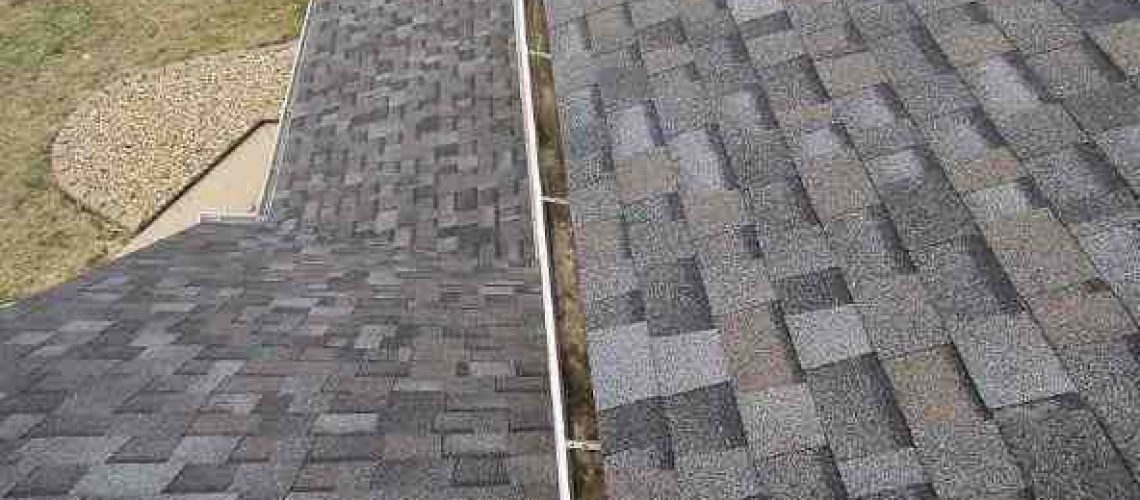
When You Need to File an Insurance Claim for Roof Leak Damage
Filing an insurance claim for a roof leak can feel overwhelming — especially when you’re already stressed about water dripping through your ceiling, damaged belongings, and the fear of mold spreading through your home.
Here’s the short answer most homeowners need right away:
Does homeowners insurance cover roof leaks?
- Yes, if the leak was caused by a sudden, covered event — like a windstorm, hail, falling tree, or lightning
- No, if the leak is the result of age, wear and tear, neglect, or lack of maintenance
- Coverage typically pays for roof repairs and resulting water damage to your home’s structure and contents
- Your payout will be reduced by your deductible, and may be further reduced by depreciation depending on your policy type
The average roof leak repair costs $360 to $1,550, while a full replacement averages $9,600. Whether your insurer covers those costs depends almost entirely on what caused the damage — and how well you document it.
For St. Louis homeowners, this matters even more. Severe Midwest storms, hail, and freeze-thaw cycles make roof damage a real and recurring risk. Knowing your coverage before a leak strikes can save you thousands.
I’m John Martin, and along with my family, I’ve been helping St. Louis homeowners navigate roof repairs — including insurance claims for roof leaks — for over 35 years. In that time, I’ve seen how the claims process can make or break a homeowner’s ability to get their roof properly repaired, and I’ll walk you through everything you need to know.
Understanding Your Insurance Claim for Roof Leak Coverage
To successfully navigate an insurance claim for roof leak repairs, you first need to understand how insurance companies view your roof. Standard homeowners insurance policies are designed to protect you against sudden and accidental losses, not gradual deterioration.
When water starts dripping into your living room, your insurance company will immediately look for the root cause of the leak. They divide causes into two main categories: covered perils and excluded perils. If you are wondering is roof damage covered by insurance, the answer depends entirely on which category the cause falls into.
According to the Does Homeowners Insurance Cover Roof Leaks? | Progressive guide, dwelling coverage under your homeowners policy pays to repair or replace your roof up to your coverage limits, but only if the damage stems from a covered peril. If the leak is traced back to normal wear and tear or lack of basic maintenance, the insurer will likely deny the claim, leaving you to cover the repair costs out of pocket.
What Types of Roof Damage Are Covered?
Standard homeowners policies (such as an HO-3 policy) generally cover roof leaks caused by the following “sudden and accidental” events:
- Wind Damage: High winds can rip shingles entirely off your roof, expose the underlayment, or lift the roof decking. If you find yourself in this situation, our guide on how to dont let wind damage roofing st louis blow your budget can help you navigate local wind damage claims.
- Hail Damage: Hail can bruise shingles, knock off protective granules, or puncture roofing materials, creating direct pathways for water. For tips on managing these claims, check out our hail damage roofing claim and free inspection guide.
- Falling Objects: If a severe storm knocks a heavy tree limb onto your roof, puncturing the structure and causing an immediate leak, this is covered.
- Lightning and Fire: Direct lightning strikes or fires that damage your roof structure are standard covered perils.
What Types of Roof Damage Are Excluded?
Insurers expect homeowners to perform regular maintenance to keep their roofs in good working order. Therefore, they explicitly exclude several common causes of roof leaks:
- Wear and Tear: Every roof has a lifespan. If your 25-year-old asphalt shingle roof simply reaches the end of its life and begins to leak, insurance will not pay for a replacement.
- Lack of Maintenance: If a leak occurs because of cracked flashing that went unaddressed for years, or because clogged gutters backed up water under your shingles, the claim will likely be denied.
- Animal Damage: Damage caused by squirrels, raccoons, birds, or pests chewing through your roof vents or shingles is typically excluded.
- Pre-existing Rot and Mold: If a slow, hidden leak has been rotting your roof decking for months or years due to lack of attention, the insurer will exclude the repair costs.
Understanding these boundaries is why a regular roof inspection is important to prevent damage. Catching minor wear and tear early prevents the kind of gradual damage that insurers love to use as a reason for claim denials.
Water Damage and Mold: What is Covered?
When a roof leak occurs, the damage is rarely confined to the exterior shingles. Water travels the path of least resistance, often soaking attic insulation, rotting structural wood framing, ruining drywall, and damaging your personal belongings.
Fortunately, if the initial roof leak was caused by a covered peril (like a windstorm or hail), your homeowners insurance will generally cover the secondary water damage and mold remediation as well.
Water Damage Coverage Under an Insurance Claim for Roof Leak
If your insurance claim for roof leak damage is approved, your policy will typically address the interior water damage through two main parts of your policy:
- Dwelling Coverage: This covers the built-in structure of your home. It pays to repair water-damaged ceilings, ruined drywall, warped hardwood floors, and stained walls. If you want to avoid structural disasters, we always warn homeowners: dont let your living room become a pool with the repair of leaking roof disasters.
- Personal Property Coverage: This covers your belongings inside the home. If water ruins your computer, television, furniture, or rugs, your insurer will help pay to repair or replace those items.
- Loss of Use Coverage: If a severe roof leak causes a ceiling collapse or extensive water damage that renders your home temporarily uninhabitable, Loss of Use coverage will pay for your additional living expenses, such as hotel stays and restaurant meals, while repairs are underway.
Mold Remediation and Your Insurance Claim for Roof Leak
One of the biggest concerns after a roof leak is mold. Mold is a fast-moving hazard. In humid summer climates — whether in St. Louis or as detailed in Florida-focused guides like the Tampa Water Damage Restoration: What to Do After a Roof Leak | Louis Law Group — mold can begin growing within 24 to 48 hours after water intrusion.
If a covered roof leak directly causes mold to grow, your insurance policy will typically cover mold remediation. However, there are two major catches:
- Strict Payout Caps: Many standard policies limit mold remediation coverage to a specific cap (often $5,000 or $10,000) unless you have purchased a special mold endorsement.
- The Neglect Exclusion: If you ignore a slow leak for weeks and mold eventually takes over your attic, the insurer will deny the mold remediation claim, citing homeowner neglect.
This is why addressing water intrusion quickly is vital to preventing major problems caused by a leaky roof in st peters mo and surrounding St. Louis areas.
What to Do Immediately After Discovering a Roof Leak
When water is actively entering your home, panic is your worst enemy. Taking immediate, controlled steps will protect your property from further destruction and keep your insurance claim on the right track.
If you are dealing with an active drip, our dont panic your emergency guide for a fast roof leak fix is a great resource to keep nearby.
Step-by-Step Emergency Action Plan
Follow this checklist the moment you discover a leak to protect your home and secure your claim:
- Prioritize Safety: If water is pooling near light fixtures, electrical outlets, or appliances, shut off the electricity to those rooms immediately at your main breaker panel. Do not walk on sagging ceilings.
- Contain the Water: Place buckets, plastic bins, or pots under the active drip. Lay down towels or plastic sheeting to protect flooring from splashing water.
- Relieve Ceiling Pressure: If you see a bulge forming in your ceiling drywall, water is pooling behind it. Carefully poke a small hole in the center of the bulge with a screwdriver or nail to drain the water into a bucket. This prevents the entire drywall panel from getting heavy and collapsing.
- Document Everything: Before you clean up or move anything, take wide-angle and close-up photos and videos of the active leak, the damaged ceiling, and any wet personal property. As noted in the Atlanta Roof Leak Insurance Claim: What to Document guide, having clear, time-stamped visual proof before cleanup begins is the single best way to prevent insurance adjusters from downplaying your damage later.
- Call a Professional for Emergency Mitigation: Homeowners are contractually obligated under their insurance policies to prevent further damage. This means you must have the roof tarped or temporarily repaired as soon as it is safe to do so.
If you need immediate help, contact us for emergency roof repair we can help you. We can quickly secure your roof and provide the documentation your insurer needs. For a deeper look at handling these crises, you can also consult our emergency roofing repair guide 2026.

How to File a Roof Damage Insurance Claim
Once the immediate leak is contained and your home is temporarily secured, it is time to officially start the claims process. Filing a claim requires organization, clear communication, and a solid understanding of how insurance payouts work.
To set yourself up for success, read the comprehensive Roof Insurance Claim Guide: How to File, What Insurance Covers & How to Maximize Your Payout – Compare Roofing Experts and make sure you understand your policy’s specific requirements.
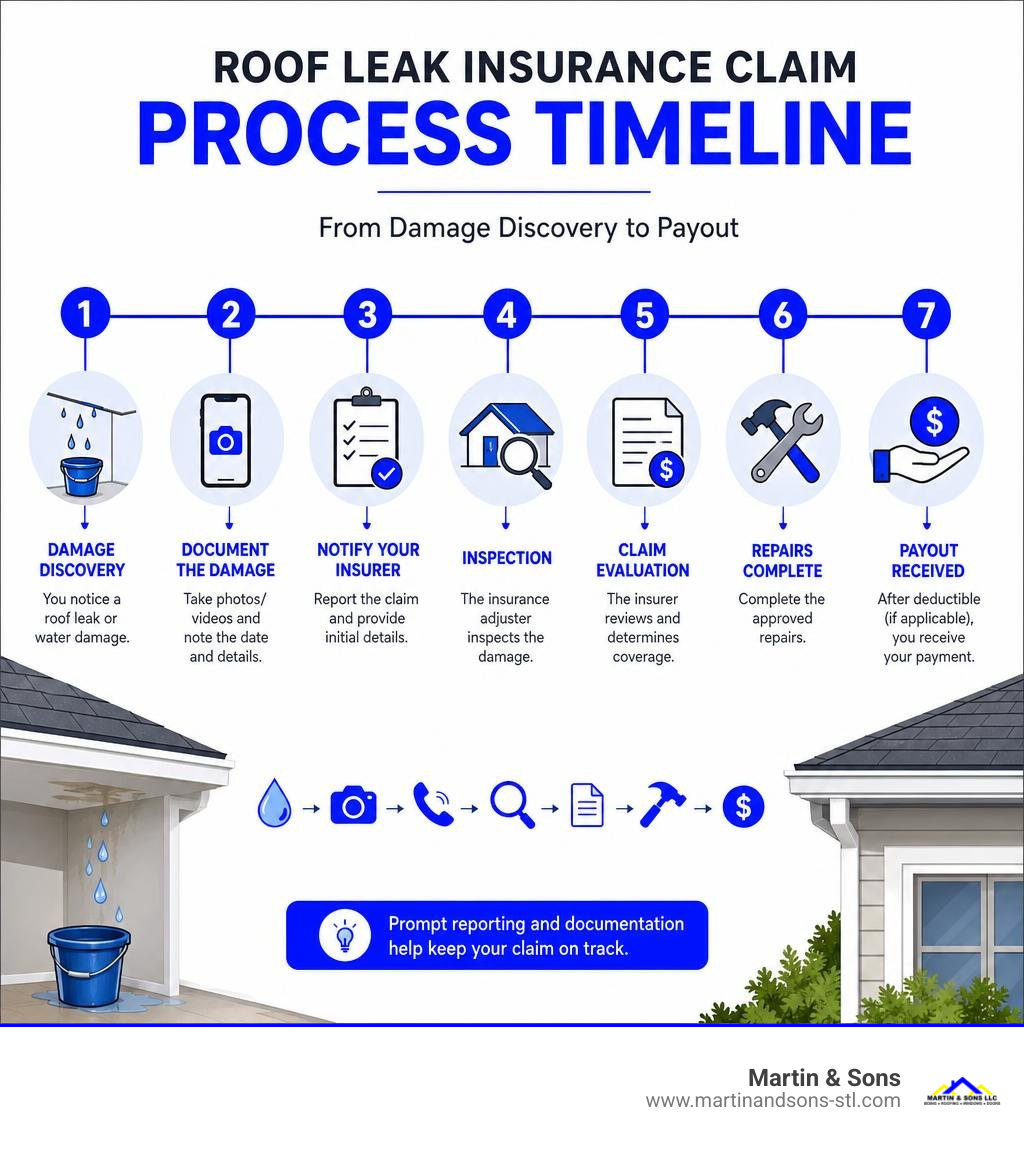
Here is the general path your claim will follow:
To make sure you are working with a trustworthy partner during this process, read our guide on how to find storm damage restoration companies that actually show up.
Actual Cash Value (ACV) vs. Replacement Cost Value (RCV)
One of the most critical factors in your payout is whether your policy is written as Actual Cash Value (ACV) or Replacement Cost Value (RCV). This distinction determines how much out-of-pocket money you will need to pay to get your roof fixed. To understand how these values impact your wallet, check out our guide on the real price of fixing your roof.
| Feature | Actual Cash Value (ACV) | Replacement Cost Value (RCV) |
|---|---|---|
| How Payout is Calculated | Replacement cost minus depreciation (based on the age and condition of the roof). | The actual cost to replace the roof today, without deducting for age. |
| Out-of-Pocket Cost | High. You must pay your deductible plus the depreciated value out of pocket. | Low. You only pay your policy deductible. |
| How Payout is Distributed | One single check for the depreciated value of the roof. | Two checks: an initial ACV check, and a second check for the remaining depreciation once repairs are completed and verified. |
Common Mistakes to Avoid When Filing
Avoid these common pitfalls to protect your claim from denial or underpayment:
- Delayed Filing: Most policies require you to report damage “promptly.” Waiting months after a storm to file can lead to an automatic denial.
- Discarding Damaged Materials: Do not throw away ruined shingles, water-damaged drywall, or ruined personal property before the insurance adjuster has a chance to inspect them.
- Signing Quick Releases: Never sign a final release or accept a settlement check if you believe the payout is insufficient to cover the actual cost of repairs.
- Hiring Storm Chasers: After a major storm, out-of-town roofing companies often knock on doors promising “free roofs.” These storm chasers often do subpar work, use cheap materials, and disappear when warranty issues arise. Always stick with a local, reputable contractor.
Managing Denied, Underpaid, or Minor Claims
Not every insurance claim goes smoothly. Sometimes, your claim might be denied, underpaid, or you might realize that filing a claim isn’t even in your best financial interest. If you run into roadblocks, our the ultimate guide to reliable roof repair can help you find a path forward.
Should I File a Claim for Minor Roof Damage?
Before you call your insurance company, do some quick math. If a minor storm blows off a single shingle and the repair estimate is $400, but your policy deductible is $1,000, filing a claim makes no sense. You will have to pay the entire $400 out of pocket anyway, and the claim will still go on your insurance record, which could cause your premiums to rise.
Generally, you should avoid filing a claim if the cost of repairs is close to or less than your deductible. Save your insurance claims for major, substantial damage that you cannot easily afford to pay out of pocket.
What to Do If Your Claim Is Denied or Underpaid
If your insurance company denies your claim or offers a payout that won’t cover basic repair costs, do not give up. You have options:
- Read the Denial Letter Carefully: Your insurer must provide a written explanation citing the exact policy language they are relying on to deny or limit your claim.
- Get an Independent Inspection: Have a trusted local roofing contractor perform an independent inspection. They can provide a detailed, itemized estimate to challenge the adjuster’s findings.
- Request a Re-inspection: If your contractor finds storm damage that the insurance adjuster missed, you can request that the insurer send out a different adjuster for a joint inspection with your contractor present.
- Use the Appraisal Process: Most policies contain an appraisal clause. If you and your insurer disagree on the value of the damage, both sides can hire independent appraisers to negotiate a binding settlement.
- Understand Statutory Timelines: While states like Florida have strict consumer-protection laws (for example, requiring insurers to acknowledge claims within 14 days and pay or deny them within 90 days of receiving proof of loss), Missouri homeowners should still expect prompt, professional communication and follow up aggressively if their insurer drags their feet.
When to Contact a Lawyer About a Roof Claim
If your insurance company acts in bad faith — such as ignoring your communications, refusing to pay a clearly covered claim, or offering an absurdly low settlement without justification — it may be time to seek legal help.
Statistically, attorney-represented policyholders consistently recover larger settlements on insurance claims. Just keep in mind your state’s statute of limitations for contract disputes, and make sure to consult with a qualified property insurance attorney before your filing window closes.
How to Prevent Roof Leaks and Insurance Issues
The easiest way to deal with a roof leak insurance claim is to prevent the leak from happening in the first place. Proactive maintenance protects your home and provides a paper trail showing your insurer that you have not neglected your property.
To keep your roof in peak condition, follow these preventative steps:
- Schedule Annual Roof Inspections: Have your roof inspected by a professional at least once a year. If you want to know why this is so important, read our article on why every st louis homeowner needs a roof inspection.
- Keep Trees Trimmed: Trim overhanging tree branches back from your roofline. Heavy branches can scrape shingles during high winds or crash through your roof deck during a storm.
- Clean and Maintain Your Gutters: Keep your gutters clear of leaves and debris so rainwater can flow freely away from your home. Note: At Martin & Sons, we only perform gutter services in conjunction with a roofing project, so keeping your gutters maintained during your roof replacement is a seamless part of our process.
- Keep Detailed Records: Save all receipts, invoices, and inspection reports for any roof maintenance or repairs you perform. If you ever need to file a claim, this documentation proves to your insurer that you are a responsible homeowner who has actively maintained the property.
Frequently Asked Questions about Roof Leak Claims
How long do I have to file a roof leak claim?
Your filing window depends on your specific insurance policy and state laws. Most policies require you to report damage “promptly” or “as soon as practical.” Some insurance policies have strict deadlines ranging from 30 days to one year from the date of the storm. It is always best to report the damage immediately to avoid coverage issues.
Will my insurance pay for a full roof replacement or just repairs?
Your insurer will only pay to repair the damaged portion of your roof unless the damage is so extensive that a repair is structurally impossible. However, if your roof uses discontinued shingles and your state has a “matching law,” your insurer may be required to pay for a full roof replacement to ensure a uniform appearance.
Will filing a roof leak claim raise my homeowners insurance premiums?
If the leak was caused by an “act of God” (like a severe hailstorm or windstorm), insurance companies generally cannot raise your premiums based solely on that single claim. However, if you file multiple claims within a short period, or if your entire geographic area is hit by a major natural disaster, your insurer may adjust rates across the board.
Conclusion
Navigating an insurance claim for a roof leak can be stressful, but you don’t have to go through it alone. Having a reliable, honest local contractor in your corner makes all the difference.
At Martin & Sons, we’ve spent more than 35 years serving homeowners across the St. Louis area, including St. Louis, St. Peters, St. Charles, Florissant, Chesterfield, Creve Coeur, Maryland Heights, and O’Fallon. We do things differently to give you complete peace of mind:
- No Upfront Deposits: You don’t pay us a single dime until the job is done.
- 100% Satisfaction Guarantee: You only pay when you are completely satisfied with our work.
- Lifetime Labor Warranties: We stand behind our craftsmanship for as long as you own your home.
- Best Prices Upfront: No high-pressure sales tactics or hidden fees — just honest, transparent pricing.
If you suspect your roof has storm damage or you are dealing with an active leak, don’t wait for the damage to get worse. Schedule a professional roof inspection with Martin & Sons today, and let our family take care of yours.