
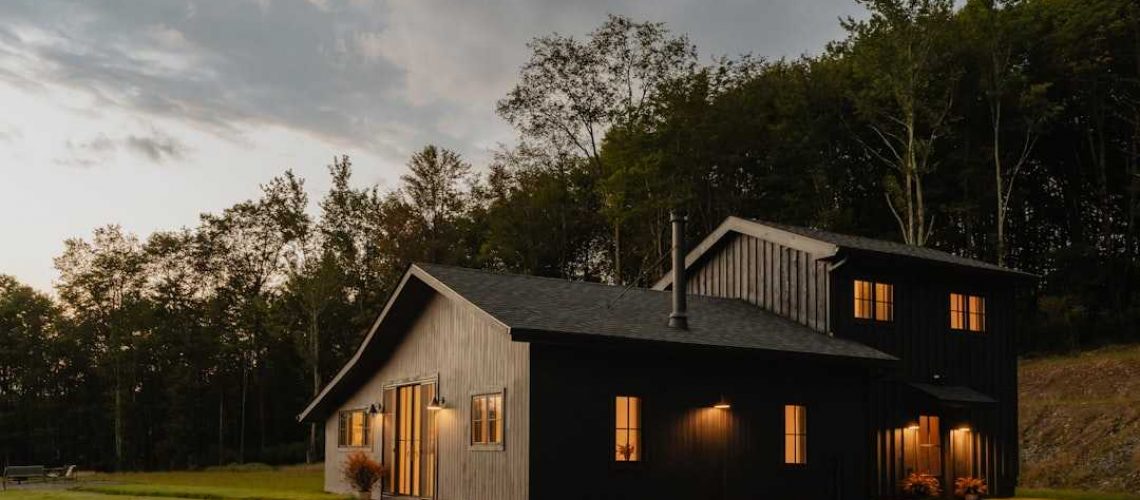
Why Black Siding Homes Are Dominating Exterior Design in 2026
Black siding homes are one of the fastest-growing exterior design trends in the country right now. And it’s easy to see why — dark exteriors deliver instant drama, serious curb appeal, and a look that works on everything from modern farmhouses to classic Craftsman bungalows.
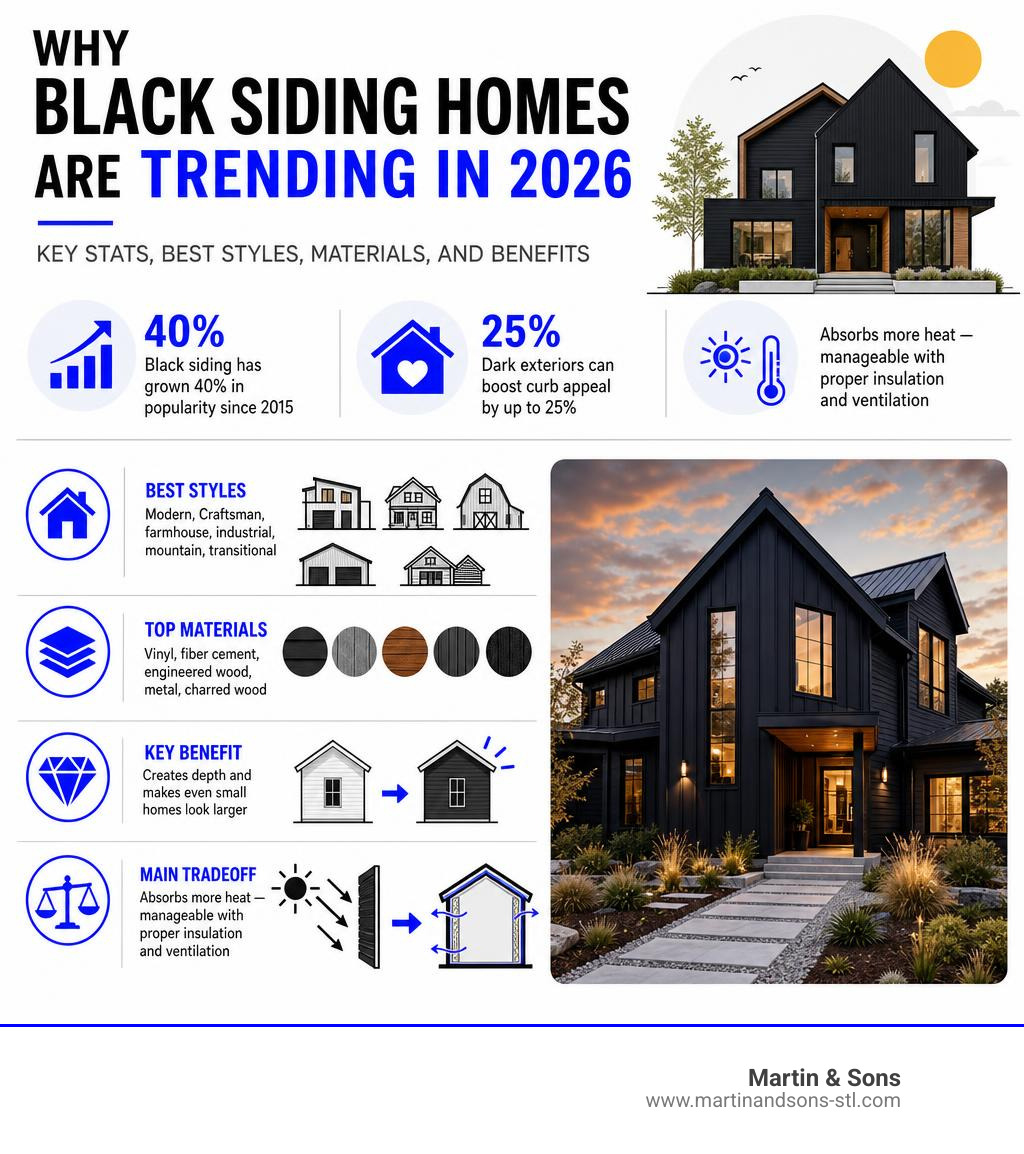
Here’s a quick look at what makes black siding worth considering:
| Factor | What You Should Know |
|---|---|
| Popularity | Black siding has grown 40% in popularity since 2015 |
| Curb appeal | Dark exteriors can boost curb appeal by up to 25% |
| Best styles | Modern, Craftsman, farmhouse, industrial, mountain, transitional |
| Top materials | Vinyl, fiber cement, engineered wood, metal, charred wood |
| Key benefit | Creates depth and makes even small homes look larger |
| Main tradeoff | Absorbs more heat — manageable with proper insulation and ventilation |
The shift away from builder-beige and bright white homes has been building for years. Dark neutrals are no longer edgy or unconventional — they’re sophisticated. Done right, a black exterior feels moody, modern, and quietly confident.
I’m John Martin of Martin & Sons, a family-owned contractor with over 35 years of hands-on experience helping St. Louis homeowners upgrade their exteriors — including the growing number of black siding homes we’ve been installing across the region. Here’s everything you need to know before going dark.
1. Black Siding Homes Create Instant Curb Appeal and Architectural Drama
There is a quiet confidence that comes with choosing a dark exterior. For decades, suburban neighborhoods across St. Louis, from O’Fallon to Creve Coeur, have been dominated by light neutrals. While white and beige are safe, they often blend together. Black siding does the exact opposite: it demands attention while remaining completely sophisticated.
Why black siding homes feel bold but still timeless
A black house doesn’t scream for attention; it commands it. The color black naturally creates an illusion of depth. When applied to a home’s exterior, this depth can actually make a smaller home look larger and more architecturally complex than it is.
Unlike trendy accent colors that might feel dated in five years, black is a foundational color. It acts as a stunning canvas that highlights the clean lines of your roof, the texture of your landscaping, and the warmth of your entryway. It creates a gorgeous shadow play throughout the day as the sun shifts, offering a dynamic look that light-colored homes simply cannot replicate.
How black siding compares to white and light-colored exteriors
If you are torn between a classic white farmhouse and a moody dark masterpiece, it helps to look at how these choices stack up in the real world:
| Feature | White/Light Siding | Black/Dark Siding |
|---|---|---|
| Curb Appeal | Clean, traditional, highly common | Bold, dramatic, high-contrast, modern |
| Dirt Visibility | Shows mud, grass clippings, and mildew quickly | Shows pollen, dust, and water spots more easily |
| Heat Absorption | Reflects sunlight; keeps exterior walls cooler | Absorbs heat; requires quality house wrap & insulation |
| Fading Risk | Minimal fading visible over time | Higher risk if low-quality materials are used |
| Style Versatility | Safe, fits almost any neighborhood | High-end, works best with intentional accent pairings |
While white siding shows every speck of dirt and green algae on the shady side of the house, black siding is much more forgiving with organic staining. However, it can show light-colored dust or pollen during a dry Missouri spring.
The biggest benefits homeowners notice first
The moment the scaffolding comes down on a black siding project, the change is jaw-dropping. Homeowners immediately notice how much their windows, landscaping, and stone accents pop against the dark backdrop.
If you have a home with red brick accents—a common sight in historic parts of St. Louis and St. Charles—pairing it with a dark siding color creates a high-end, custom look. The deep tones of the siding draw out the rich, natural colors of the brickwork, turning an ordinary suburban home into a custom architectural showpiece. If you want to dive deeper into how dark colors interact with masonry, check out our guide on how to pick dark gray siding for red brick.
Choosing black siding is one of the fastest ways to modernize a dated exterior. If you are looking to elevate your home’s value and stand out in the local real estate market, you can easily boost curb appeal with vinyl siding in a deep, modern charcoal or black shade.
2. The Best Architectural Styles for Black Siding

Many homeowners worry that black siding only works on ultra-modern, angular homes. While it looks incredible on contemporary designs, it is surprisingly versatile and can elevate traditional, rustic, and historic architectural styles too.
Modern, minimalist, and industrial homes
For homes with flat rooflines, large windows, and sharp angles, black siding is a natural match. In modern design, smooth panels or vertical standing-seam metal siding are highly popular choices.
Using a black metal exterior can create an incredibly sleek, industrial aesthetic. For instance, look at how black standing seam metal siding clads this Montana wilderness house to see how a dark, metallic finish mimics natural shadows and integrates beautifully with rugged landscapes. The matte or satin finishes on metal or engineered panels prevent the home from looking overly reflective, keeping the focus on the pure geometry of the architecture.
Traditional homes, Craftsman exteriors, and brick combinations
Can you put black siding on a classic Craftsman bungalow? Absolutely. In fact, dark siding can revitalize a dated Craftsman home by highlighting its historic woodwork and deep porches.
The key to making black work on a traditional home is contrast. Instead of going completely black from gutters to foundation, use a lighter accent on the porch ceiling, columns, or entryway. A warm, wood-stained front door or a natural stone chimney provides the perfect visual relief. If your home has a traditional red brick facade, adding dark siding to the gables or rear additions creates a stunning, updated palette that honors the home’s original character.
Modern farmhouse black-and-white combinations
The modern farmhouse trend has evolved. While the all-white board-and-batten look is still popular, many homeowners are flipping the script by opting for dark siding paired with white trim, or using black as a dramatic accent against white walls.
Using black window frames against light siding has become a staple of modern farmhouse design. As shown in this project showcase on building a bright modern farmhouse home with black exterior windows, the high contrast of dark window frames breaks up the monotony of light siding, drawing the eye to the home’s entryways and architectural symmetry. Alternatively, you can use black board-and-batten siding on the main body of the house and balance it with natural cedar corbels, a metal porch roof, and warm, inviting outdoor lighting.
3. Materials and Finishes That Make Black Siding Last
Because dark colors absorb more sunlight, choosing the right material and finish is absolutely critical. Cheap materials can warp, buckle, or fade under the intense summer sun we experience here in Missouri.
Vinyl, fiber cement, engineered wood, metal, and charred wood options
When planning your exterior upgrade, you have several excellent material options to choose from:
- Vinyl Siding: Today’s premium vinyl siding is engineered with advanced UV inhibitors that prevent fading. It is highly affordable, impact-resistant, and virtually maintenance-free. To find the right fit for your budget, read our tips on how to pick the perfect vinyl siding.
- Fiber Cement (James Hardie): Known for its incredible durability and fire resistance, fiber cement holds dark paint beautifully and does not expand or contract significantly with temperature swings.
- Engineered Wood (LP SmartSide): This material offers the authentic texture of real wood with superior resistance to moisture, fungal decay, and pests. LP’s “Abyss Black” is a highly sought-after, rich dark shade.
- Charred Wood (Yakisugi / Shou Sugi Ban): This traditional Japanese method involves charring the surface of cedar boards. The carbon layer naturally protects the wood from rot, insects, and fire, lasting up to 80 to 150 years with minimal maintenance.
Matte, satin, textured, and smooth black finishes
The finish you choose determines how light reflects off your home:
- Matte Black: Absorbs light completely, hiding minor imperfections in the siding. It offers a very modern, velvety appearance but can show dust more easily.
- Satin / Low-Sheen: Offers a subtle glow that highlights the shape of the siding panels. It is easier to clean than flat matte.
- Textured Wood Grain: Mimics natural timber. The texture breaks up the dark color, creating organic shadows that soften the overall look.
- Smooth Panels: Perfect for ultra-modern, minimalist designs where clean lines are the priority.
What to know about maintenance before choosing black siding
While black siding doesn’t show green mildew as quickly as white vinyl, it does require some basic upkeep to stay looking its best. Pollen, bird droppings, and mineral deposits from lawn sprinklers can leave light-colored streaks on dark walls.
A simple annual wash with a garden hose and a soft-bristle brush is usually all it takes to keep premium siding clean. Investing in high-quality materials ensures you won’t have to worry about the color peeling or cracking over time. If you want a worry-free exterior that stands the test of time, explore our durable vinyl siding options designed to last a lifetime.
4. Design Pairings That Make Black Siding Homes Look Polished, Not Harsh
A solid black box can feel imposing or uninviting. The secret to a successful black siding design is pairing it with materials and landscaping that bring warmth, texture, and balance to the exterior.
Landscaping that softens a dark exterior
Landscaping is your best friend when designing a dark home. Vibrant green foliage, white flowers, and light-colored hardscaping create a breathtaking contrast against black walls.
Consider planting ornamental grasses, boxwoods, and white hydrangeas along the foundation. If you want a more natural, organic feel, look at how an angular black home finds harmony with its surrounding meadow by using a wildflower garden rather than a manicured lawn. The soft, colorful wildflowers break up the sharp, dark lines of the home, making the entire property feel integrated with nature.
Exterior colors and materials that pair best with black siding
To keep your home from looking too cold, weave in warm, natural elements:
- Warm Wood Accents: Stained cedar or white oak on porch ceilings, soffits, front doors, or columns adds instant warmth.
- Natural Stone or Brick: A limestone foundation, a stacked-stone entryway, or a classic red brick chimney provides texture and breaks up the dark siding.
- Roof Coordination: If you are wondering how to coordinate your roof with dark walls, read our guide on what color siding goes with a black roof. A dark gray or charcoal roof usually works best to maintain a cohesive, high-end look.
Lighting, windows, doors, and trim details that complete the look
At night, a black home can practically disappear into the darkness if it isn’t lit correctly. Warm exterior lighting is essential. Use low-voltage LED soffit lighting to cast a gentle downward glow along the siding, and install path lights to lead guests to the door.
For windows and trim, you can go two routes: matching black trim for a seamless, modern “all-black” look, or crisp white trim to frame the windows and create a classic, high-contrast farmhouse feel.
5. Mistakes to Avoid When Designing or Installing a Black Siding Exterior
Going dark is a design commitment. To ensure you love the final result, avoid these common pitfalls during the planning and installation phases.
Choosing a black shade without testing it outside
Never pick an exterior paint or siding color based on a small swatch inside a showroom. Black paint has undertones—some look blue in direct sunlight, others look green, brown, or deep purple.
Always look at large physical samples outside at different times of day. A color that looks like a rich charcoal at noon might look like jet black in the evening shade.
Ignoring energy efficiency and regional climate
Because dark colors absorb more solar heat, energy efficiency must be a priority. In Missouri, our summers are hot and humid, meaning a poorly insulated black home could lead to skyrocketing cooling bills.
To mitigate this, ensure your contractor installs a high-quality, breathable house wrap, proper exterior insulation, and adequate attic ventilation to keep heat from getting trapped. When you invest in a professional installation, the energy-saving benefits are clear; learn more about how proper prep work helps by reading about the benefits of vinyl siding installation.
Going too dark without contrast or texture
An all-black home with a flat texture, black trim, a black door, and no landscaping can look gloomy. To prevent this “haunted house” effect, always mix your textures and profiles. Combine vertical board-and-batten siding with horizontal lap siding, or use stone accents on the lower level. For inspiration on how to mix and match different siding profiles successfully, check out these fresh looks with modern siding styles.
6. How to Personalize Black Siding Homes Without Losing Cohesion
Your home should reflect your personal style. There are plenty of ways to customize a dark exterior so it feels uniquely yours while maintaining a polished, cohesive aesthetic.
Creative ways to customize black siding homes
If you want to make your dark home stand out, consider these design ideas:
- A Bold Front Door: Paint your front door a cheerful color like dusty blue, sage green, or soft yellow to create an inviting focal point.
- Mixed Siding Profiles: Use horizontal lap siding on the main level and vertical board-and-batten in the gables.
- Warm Metal Accents: Install copper gutters, brass house numbers, or bronze light fixtures to add a touch of luxury.
- Stained Wood Beams: Add heavy, rustic wood corbels or timber trusses over your garage or front porch entry.
Budget-friendly updates that still feel high-end
You don’t have to spend a fortune to get the high-end look of a custom designer home. Simple, affordable upgrades like replacing dated plastic house numbers with modern metal ones, upgrading your porch light fixtures, or painting your garage doors a matching dark shade can completely transform your home’s vibe. Keep an eye on the latest vinyl siding color trends to see how small color updates can yield massive visual returns.
When to go all-black versus black as an accent
If you aren’t ready to fully commit to a jet-black home, try using it as an accent first. Painting or siding just a single prominent gable, a rear addition, or a detached garage in black can give you a taste of the trend without overwhelming your property. This balanced approach is highly popular in transitional designs. To weigh your options, check out the 7 benefits of choosing vinyl siding for your next home improvement project.
Frequently Asked Questions About Black Siding Homes
Are black siding homes harder to maintain than lighter homes?
Generally, no. While they don’t show organic growth like green algae as quickly as white homes, they can show light-colored dust, pollen, or water spots. Choosing a textured wood grain finish rather than a flat, smooth matte finish helps mask dust and makes seasonal cleaning even easier.
Do black siding homes get hotter in summer?
Yes, dark colors naturally absorb more radiant heat from the sun. However, this is easily managed. By using modern siding materials with built-in thermal resistance, high-quality house wraps, and ensuring your home has proper attic ventilation and energy-efficient windows, you can keep your home perfectly cool without breaking the bank on utility bills.
What roof color works best with black siding?
Charcoal gray, dark gray, or black shingles are the most cohesive options. If you want to soften the look, a standing-seam metal roof in bronze or copper can add incredible warmth and architectural interest.
Conclusion
If you are ready to trade in your home’s dated exterior for a bold, sophisticated, and moody masterpiece, black siding homes offer the ultimate design solution. With the right materials, thoughtful accents, and a professional installation, your home can easily become the most admired property on the block.
At Martin & Sons, we’ve spent decades helping homeowners across St. Louis, St. Peters, St. Charles, Florissant, Chesterfield, Creve Coeur, Maryland Heights, and O’Fallon bring their exterior dreams to life. We make the remodeling process entirely stress-free with our unique customer-first policies: no upfront deposits, pay only when you are 100% satisfied, and lifetime labor warranties on our work.
Ready to explore your options? Explore siding ideas and services with Martin & Sons today, and let’s build your masterpiece together!