
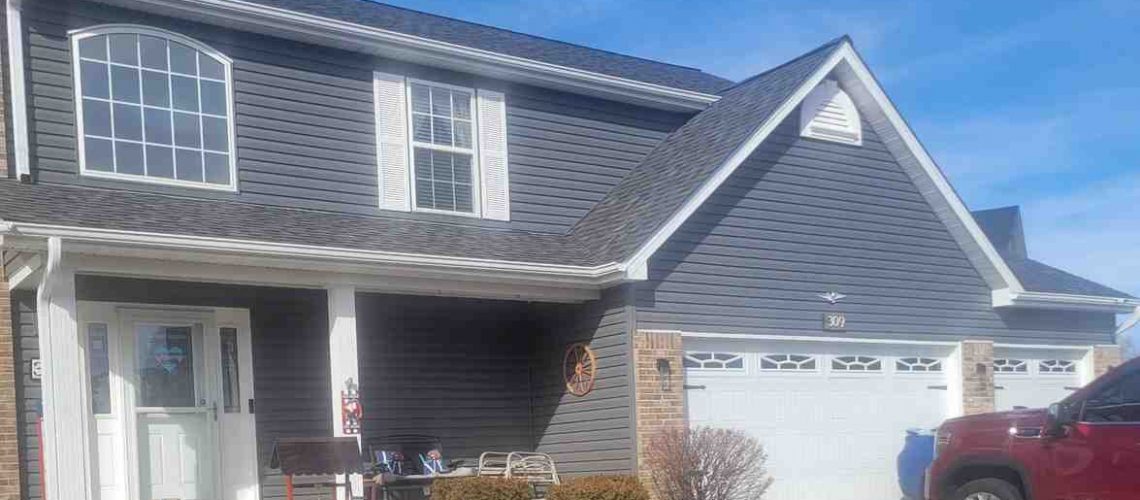
Why It Pays to Know How to Buy Replacement Windows the Right Way
When you’re ready to buy replacement windows, the choices can feel overwhelming fast — materials, glass types, energy ratings, online vs. local, DIY vs. professional install.
Here’s a quick answer if you’re in a hurry:
The fastest way to buy replacement windows:
- Measure your rough opening (width and height at three points each)
- Choose your frame material — vinyl is the most popular and affordable; fiberglass lasts longer
- Pick your glass package — double-pane with Low-E coating is the baseline for energy efficiency
- Decide where to buy — online retailers offer lower prices; local contractors include measuring and installation
- Confirm lead times — custom windows typically take 4–6 weeks to manufacture
- Verify the warranty — look for coverage on the frame, glass seal, hardware, and installation
The U.S. Department of Energy estimates that replacing old windows can cut household energy costs by 7% to 15% annually. For a typical St. Louis home, that adds up quickly — especially through hot summers and cold winters.
But getting those savings depends entirely on buying the right windows and having them installed correctly.
I’m John Martin of Martin & Sons LLC, and with over 35 years of hands-on experience helping homeowners buy replacement windows and get them installed properly, I’ve seen every mistake in the book. This guide covers everything you need to avoid those mistakes and make a confident decision.

Where to Buy Replacement Windows: Online vs. Retail vs. Local Contractors
When you decide to buy replacement windows, one of the first crossroads you will hit is where to actually make the purchase. Do you order them online while sitting in your pajamas, walk into a local big-box home improvement store, or hire a local specialized window contractor?
Each route has distinct trade-offs in terms of retail markup, sales pressure, wholesale pricing opportunities, and customization.
| Feature | Online Retailers | Big-Box Stores | Local Window Contractors |
|---|---|---|---|
| Pricing | Wholesale-level; low overhead | Moderate; standard retail margins | Bundled pricing (product + labor) |
| Sales Pressure | None (purely self-service) | Low to moderate | High (traditional) to Low (Martin & Sons) |
| Sizing Options | Custom sizes built-to-order | Mostly standard; limited custom ordering | Fully custom to fit your exact openings |
| Installation | DIY / Supply-only (must find installer) | DIY or third-party subcontracted | Fully integrated, professional installation |
| Warranties | Manufacturer-only warranty | Manufacturer-only warranty | Combined manufacturer + local labor warranty |
Sourcing Directly from Online Retailers
Online window e-stores have grown rapidly because they cut out the middleman. By operating without expensive physical showrooms, they can offer custom-built windows at wholesale prices.
Many of these platforms feature intuitive online builder tools where you can input your specific dimensions, select your glass package, and pick your frame colors (such as classic white, tan, clay, or modern dark exterior paints).
Once ordered, these custom products are shipped directly to your home or made available for free pickup at regional shipping hubs. The catch? You are completely on your own when it comes to measuring, unloading, and installing. If your measurements are off by even a quarter of an inch, you are stuck with a custom-made window that cannot be returned.
Buying from Big-Box Stores
Walking into a local retail store is the go-to option for quick, off-the-shelf availability. If you need a standard-sized double-hung window for a quick weekend project, you can walk out with an option like the 27.75 in. x 53.25 in. 70 Pro Series Low-E Argon Glass Double Hung White Vinyl Replacement Window, Screen Incl the very same day.
However, big-box stores carry limited in-stock sizes. If your home has settled or was built with non-standard window openings, you will have to place a custom order at their service desk. This often comes with standard retail markups, limited brand selections, and third-party installation subcontractors whose quality can be highly variable.
Working with Local Window Contractors
For the vast majority of homeowners, partnering with a local, specialized window contractor is the safest and most reliable way to buy replacement windows. A trusted local contractor handles the entire process from start to finish. They will perform professional, laser-accurate measurements, ensure your new windows meet local building codes, and provide a seamless, weather-tight installation.
Working with a local specialist also means you get local accountability. If a seal fails or a lock breaks five years down the road, you don’t have to chase down an online corporation or wait on hold with a retail giant. You simply call your local installer.
To learn how to separate the high-pressure sales operations from the genuine craftsmen, take a look at The Pane-Free Guide to Local Window Contractors.
If you are looking to browse high-end options in person, visiting a dedicated manufacturer showroom can give you a hands-on feel for premium wood and fiberglass models before you make your final selection. For specialized glass repairs or unique historical glass matching in our area, local specialty glass shops are excellent resources.
Understanding Window Materials, Styles, and Energy Efficiency
Before writing a check, you must understand the anatomy of a modern window. Today’s replacement windows are engineered to keep your indoor air in and the harsh St. Louis weather out.

When evaluating window construction, pay close attention to the frame depth (typically 3.25 inches for residential vinyl models) and the insulated glass thickness (3/4-inch is standard for double-pane units). High-quality frames feature multi-chambered designs that trap air, acting as extra insulation, along with welded frame and sash corners for maximum structural integrity.
Frame Materials: Vinyl, Wood, and Fiberglass
The material you choose dictates your window’s lifespan, maintenance requirements, and overall cost.
- Vinyl: Accounting for over 70% of the replacement window market, vinyl is the undisputed king of value. Made from rigid, impact-resistant PVC with hollow, insulating chambers, quality vinyl windows never need painting, scraping, or staining. They won’t rot, warp, or corrode. For a deep dive into why this material is so popular, read The Complete Guide to Vinyl Windows.
- Wood & Wood Cladding: Real wood offers unmatched natural beauty and excellent natural insulating properties. However, bare wood requires constant upkeep. To solve this, many homeowners choose clad-wood windows, which feature a beautiful real wood interior paired with a low-maintenance vinyl or aluminum exterior shell. Learn more about this hybrid option in our guide to The Best of Both Worlds: A Guide to Vinyl Clad Wood Windows.
- Fiberglass: Extremely durable and rigid, fiberglass frames expand and contract at nearly the same rate as the glass panes they hold. This puts less stress on the glass seals, ensuring a incredibly long lifespan. Fiberglass won’t crack, warp, rust, or corrode, but it does come with a premium price tag.
Glass Packages and Energy Star Ratings
The glass itself accounts for about 80% of your window’s surface area, making your choice of “glass package” critical for energy savings.
- Double Pane vs. Triple Pane: Double-pane windows feature two layers of glass with an insulating space between them. Triple-pane windows add a third layer, boosting energy performance and sound dampening even further.
- Low-E Coatings: Low-Emissivity (Low-E) glass features an microscopically thin, non-toxic metallic oxide coating that reflects heat while letting light through. In the summer, it bounces scorching solar heat away from your home. In the winter, it reflects your furnace’s warmth back inside.
- Argon Gas Fill: Replacing the air between the glass panes with dense, odorless argon gas provides significantly better insulation than air alone, slowing down heat transfer.
- U-Factor and SHGC: When looking at ENERGY STAR certified ratings, keep an eye on two numbers:
- U-Factor: Measures how well the window prevents heat from escaping (lower is better, ideally between 0.20 and 0.30).
- Solar Heat Gain Coefficient (SHGC): Measures how well the window blocks heat caused by sunlight (lower is better in warm climates; a moderate rating is ideal for the midwest to allow some winter warmth).
Choosing ENERGY STAR certified windows tailored to our North-Central climate zone can save homeowners an average of $126 to $465 per year on utility bills, while making your home instantly more comfortable.
How to Measure and Prepare to Buy Replacement Windows
If you decide to order windows directly to save on initial material costs, your tape measure is your most important tool. Unlike new construction windows, which feature an outer nailing fin and are installed from the outside of the home during framing, replacement windows are designed to slide directly into your existing wood window frames.
This means your measurements must be precise. To ensure you understand the financial scope of your project before measuring, consult our Beginners Guide to Window Replacement Cost.
Step-by-Step Guide to Measuring Your Rough Openings
To measure your existing window frame for a pocket replacement window, follow this three-point method:
- Measure the Width: Measure the distance between the inside jambs of the window frame. Take three measurements: one at the top, one at the middle, and one at the bottom. Record the smallest of the three measurements.
- Measure the Height: Measure from the high point of the windowsill (the part closest to the inside) to the top jamb. Take three measurements: one on the left, one in the middle, and one on the right. Record the smallest of the three measurements.
- Check for Squareness: Measure diagonally from the top-left corner to the bottom-right corner, and then from the top-right corner to the bottom-left corner. If the two diagonal measurements differ by more than 1/4 of an inch, your window frame is out of square. You may need to adjust your ordering sizes or perform frame adjustments during installation.
- Determine Jamb Depth: Verify that your existing frame has at least 3-1/4 inches of clear jamb depth to accommodate a standard replacement frame.
When ordering, window sizes are often written in a specific notation combining width and height in feet and inches. For example, a “2852” window translates to 2 feet, 8 inches wide by 5 feet, 2 inches high (or roughly 32″ x 62″). Always order based on the exact fractional inches required by your manufacturer’s ordering portal.
Avoiding Common Mistakes When You Buy Replacement Windows
- Ordering the Exact Opening Size: Always subtract 1/4-inch to 1/2-inch from your smallest width and height measurements. This gives you a tiny bit of “wiggle room” to shim, level, and insulate the window during installation. If you order the exact size of the opening, the window will almost certainly not fit.
- Ignoring Cladding and Trim Thickness: If your exterior trim or aluminum cladding extends over the inner frame, fail to account for it, and your new window will hit the trim before sliding into place.
- Forgetting Screen Inclusions: Some discount online retailers list unbelievably low prices because they do not include screens in the base price. Double-check that screens are included in your order.
- Overlooking Wind-Load and Building Codes: Depending on where you live in the greater St. Louis area, local building codes may require specific glass strength or safety glazing (tempered glass) for windows located near doors, stairs, or wet areas like bathrooms.
Sourcing Windows Without Installation: Pros, Cons, and DIY Pitfalls
Buying replacement windows “supply-only” is a popular route for experienced DIY enthusiasts and general contractors. It allows you to buy premium products at builder prices and handle the physical labor yourself.
However, installing a window is an intermediate-to-advanced DIY project. If you make a mistake, you risk drafty rooms, water leaks, and structural rot. If you’ve got minor draft issues on your current windows, you might want to try some Stop the Draft with These Easy Window Lock Fixes first before committing to a full DIY replacement.
The Supply-Only Route for DIYers and Independent Contractors
For those with the tools, patience, and skills, sourcing windows directly from wholesale suppliers can yield significant upfront savings.
Essential Tools for DIY Window Installation:
- High-quality tape measure and a 4-foot level
- Pry bar and hammer (for removing old sashes and trim)
- Caulking gun with premium exterior-grade silicone sealant
- Expandable low-pressure window and door foam insulation
- Wooden shims (to level and square the window)
- Power drill and corrosion-resistant installation screws
While the labor savings can be tempting, professional window installers do this every single day. They know how to handle tricky flashing, old out-of-square framing, and proper weatherproofing.
If you decide you’d rather leave the heavy lifting to local experts who stand behind their work, check out our guide on Local Window Installation Companies You Can Actually Trust.
Understanding Warranties, Returns, and Lead Times
When you buy custom-made windows directly, you must read the fine print regarding post-sale policies:
- No Cancellations or Returns: Because custom windows are built to your home’s unique dimensions, manufacturers cannot resell them. Once your order enters production (usually within 24 to 48 hours of order confirmation), it cannot be cancelled, altered, or returned.
- Lead Times: Custom manufacturing typically takes 4 to 6 weeks. Plan your home renovation timeline accordingly, ensuring you don’t tear out your old windows before the new ones have physically arrived and been inspected.
- Shipping Damage Claims: Inspect every single window the moment it arrives. If there is a cracked pane or a dented frame from transit, you must document it and file a claim immediately. If you sign for the delivery without noting damage, you may forfeit your right to a replacement.
Frequently Asked Questions About Window Replacement
What is the average cost to replace windows in a home?
The average cost to replace a single window typically ranges from $300 to $700 for standard vinyl options, with a national average of around $500 per window installed.
However, high-end wood, fiberglass, or custom-shaped windows can easily range from $1,000 to $2,000 or more per opening. Total project costs depend heavily on the frame material, size, glass package, and any structural repairs needed for old, rotted framing.
What is the best time of year to replace windows?
Late spring, early summer, and autumn are the most popular times to replace windows because of the mild outdoor temperatures. Installing windows during these seasons prevents your home from losing too much heating or air conditioning during the swap.
However, professional installers can replace windows year-round — even in the winter — by working on one window at a time and taking special precautions to minimize heat loss.
How long do custom replacement windows take to arrive?
Because custom windows are manufactured to order, the standard lead time is 4 to 6 weeks from the date your order is finalized and confirmed. Standard, off-the-shelf sizes from big-box stores are available immediately but offer very little flexibility for older homes with settled openings.
Conclusion: Get the Perfect Fit with Martin & Sons
Buying replacement windows is a major investment that can completely transform your home’s comfort, curb appeal, and energy efficiency. While the direct-to-consumer online and big-box routes offer appealing material prices, they also place 100% of the risk of measuring, shipping damage, and installation failures squarely on your shoulders.
At Martin & Sons, we believe home improvements should be completely stress-free. Serving St. Louis, St. Peters, St. Charles, Florissant, Chesterfield, Creve Coeur, Maryland Heights, and O’Fallon, we offer a completely different way to buy replacement windows:
- No Upfront Deposits: You don’t pay us a single dime until your windows are 100% installed and you are completely satisfied with our work.
- Lifetime Labor Warranties: We stand behind our craftsmanship for life, giving you ultimate peace of mind.
- Best Prices Upfront: No high-pressure sales pitches, no fake “today-only” discounts, and no hidden fees. Just honest, clear pricing from the very start.
Ready to upgrade your home with beautiful, energy-efficient windows? Explore our options and schedule your free, hassle-free estimate today on the Martin & Sons Window Services page. We look forward to working with you!