
Why Proper Kick Out Flashing Install Protects Your Home
Kick out flashing install is a critical step in preventing water damage at the point where your roof meets a vertical wall. This specialized piece of metal or plastic flashing redirects thousands of gallons of rainwater away from your wall and into your gutter system, protecting your home from costly rot and moisture intrusion.
Quick Answer: Essential Steps for Kick Out Flashing Install
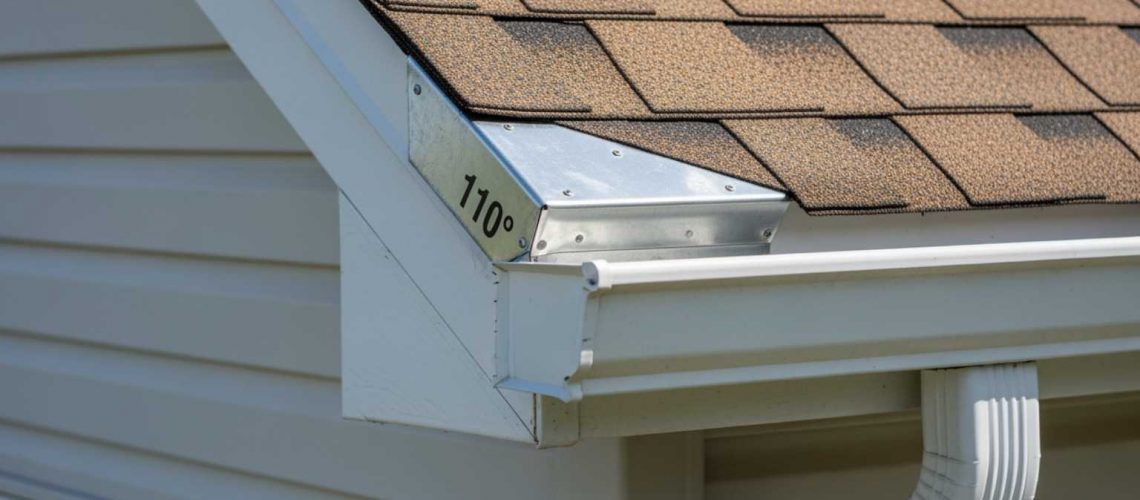
- Position the flashing at the bottom of the roof slope where it meets the wall, at a 110-degree angle
- Extend it at least 4 inches up the sidewall and out onto the roof deck
- Install it as the first piece of step flashing, positioned flat on the roof
- Secure with one fastener at the upper corner to allow for thermal movement
- Seal all edges with waterproof sealant or flashing tape
- Integrate with housewrap and weather-resistive barriers for complete protection
Missing or improperly installed kick-out flashing is one of the most common causes of serious water damage in homes. According to building experts, this “somewhat forgotten practice” can lead to thousands of dollars in repair costs when water slips behind your gutter and soaks into wall cavities.
The problem is especially deceptive with modern siding materials like vinyl or fiber cement. These materials can hide severe interior damage for years while moisture silently destroys your sheathing and framing. By the time you notice exterior signs like mold streaks or peeling paint, the damage inside may already be extensive.
The good news? A properly executed kick out flashing install is straightforward when you understand the layering sequence and integration points. Whether you’re building new construction or retrofitting an existing roof, this guide will walk you through the materials, techniques, and common mistakes to avoid.
Understanding the Importance of a Kick Out Flashing Install
At Martin & Sons, we’ve seen how a tiny piece of metal can be the difference between a dry home and a $10,000 restoration bill. When rain hits your roof, it flows downward. If that roof ends at a wall—like where a garage roof meets the second story of a house—the water hugs that wall. Without a “kick-out” to push the water into the gutter, that moisture finds its way behind the siding, into the insulation, and eventually into your structural framing.
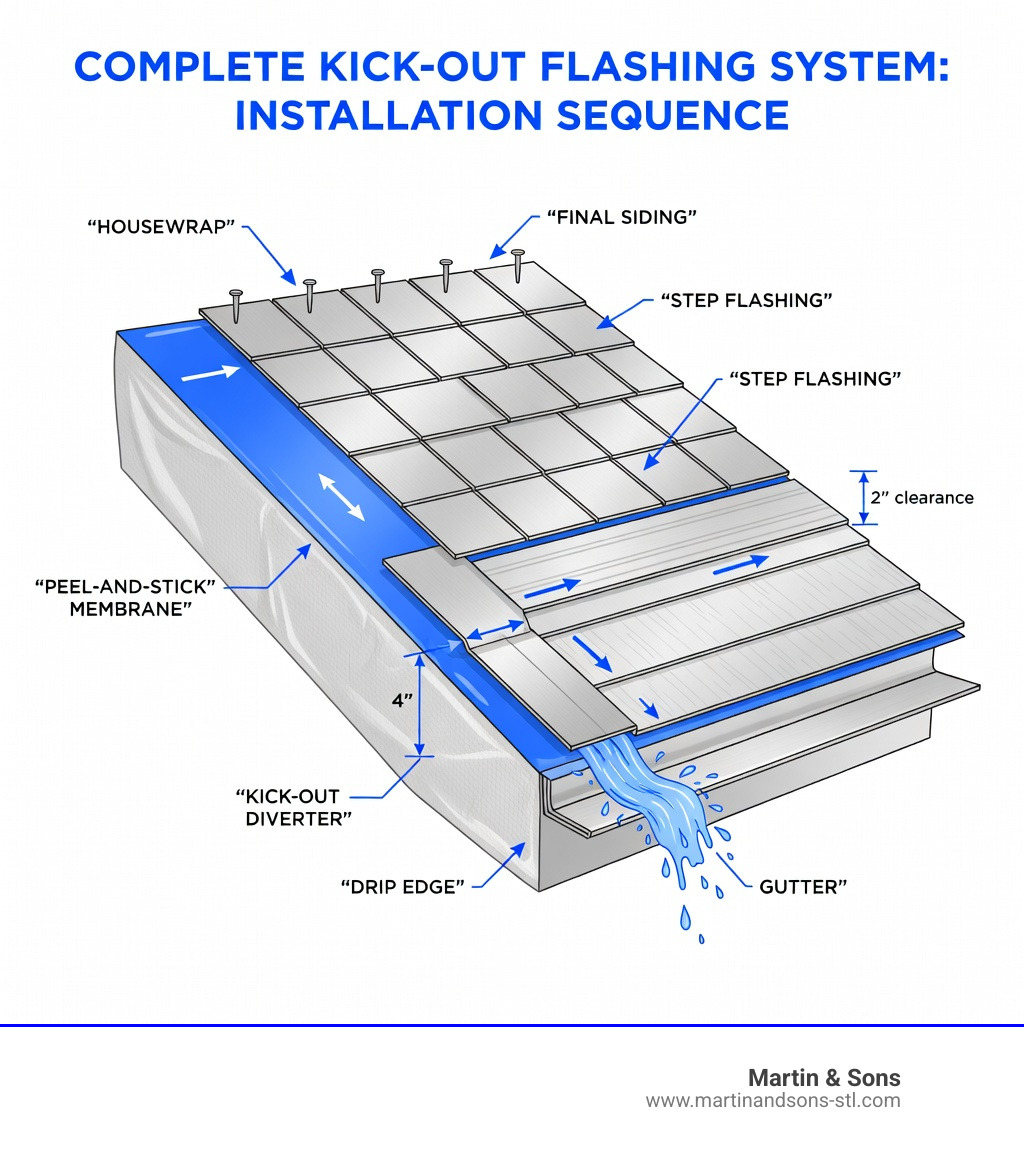
This is where the kick out flashing install becomes your home’s best friend. It acts as a primary diverter at the most vulnerable intersection of your exterior. It works alongside the drip edge and step flashing to ensure that gravity works for you, not against you. If you’ve noticed signs of roof damage you should never ignore, such as staining on your siding near the gutters, your home might be missing this crucial component.
The International Residential Code (IRC) R903.2.1 specifically requires flashing to divert water away from eave-wall intersections. To do this effectively, the flashing should be set at roughly a 110-degree angle. This “elephant ear” shape ensures that even during a St. Louis downpour, the water is physically “kicked” away from the wall cladding. For a deeper dive into why these intersections are so troublesome, you can check out this guide on Kickout Flashing: How to Flash Troublesome Roof-to-Wall Intersections – Fine Homebuilding.
Why Code Requirements Matter for Kick Out Flashing Install
In building codes, “suggestions” don’t exist—only requirements. The IRC and local St. Louis area codes emphasize the 4-inch sidewall height for a reason. During heavy storms, water doesn’t just trickle; it surges. If your flashing is too small, the water will simply jump over the top of it.
A proper kick out flashing install must account for:
- Diverter Sizing: It must be large enough to handle the volume of water coming off the roof pitch.
- Stormwater Flow: The angle must ensure water lands in the center of the gutter, not splashing back against the house.
- Moisture Intrusion Risks: Any gap in the flashing sequence is an invitation for rot.
By following Step and Kick-Out Flashing at Roof-Wall Intersections guidelines, we ensure that every home we service in St. Peters or Chesterfield meets these rigorous safety standards.
Choosing the Right Materials: Metal vs. Plastic
Not all flashing is created equal. Depending on your budget and the aesthetic of your home, you have a few choices. We generally recommend prefabricated options over “site-fabricated” ones (flashing bent by hand on the job site) because prefabricated units are seamless, reducing the risk of leaks at the joints.
| Material | Pros | Cons |
|---|---|---|
| Prefabricated Plastic | Cost-effective (~$11), rust-proof, available in many colors. | Can become brittle over decades of UV exposure. |
| TIG-welded Aluminum | Extremely durable, won’t crack, can be powder-coated. | Slightly more expensive than plastic. |
| Copper | Beautiful aesthetic, lasts 50+ years, naturally antimicrobial. | Most expensive option (3x the cost of plastic). |
For most St. Louis homeowners, TIG-welded aluminum or high-quality UV-stable plastic offers the best balance of longevity and price.
Step-by-Step Guide to a New Construction Kick Out Flashing Install
If you’re building a new home or adding an addition, you have the perfect opportunity to do a “defense-in-depth” installation. This involves layering materials so that even if one layer fails, the next one catches the water.
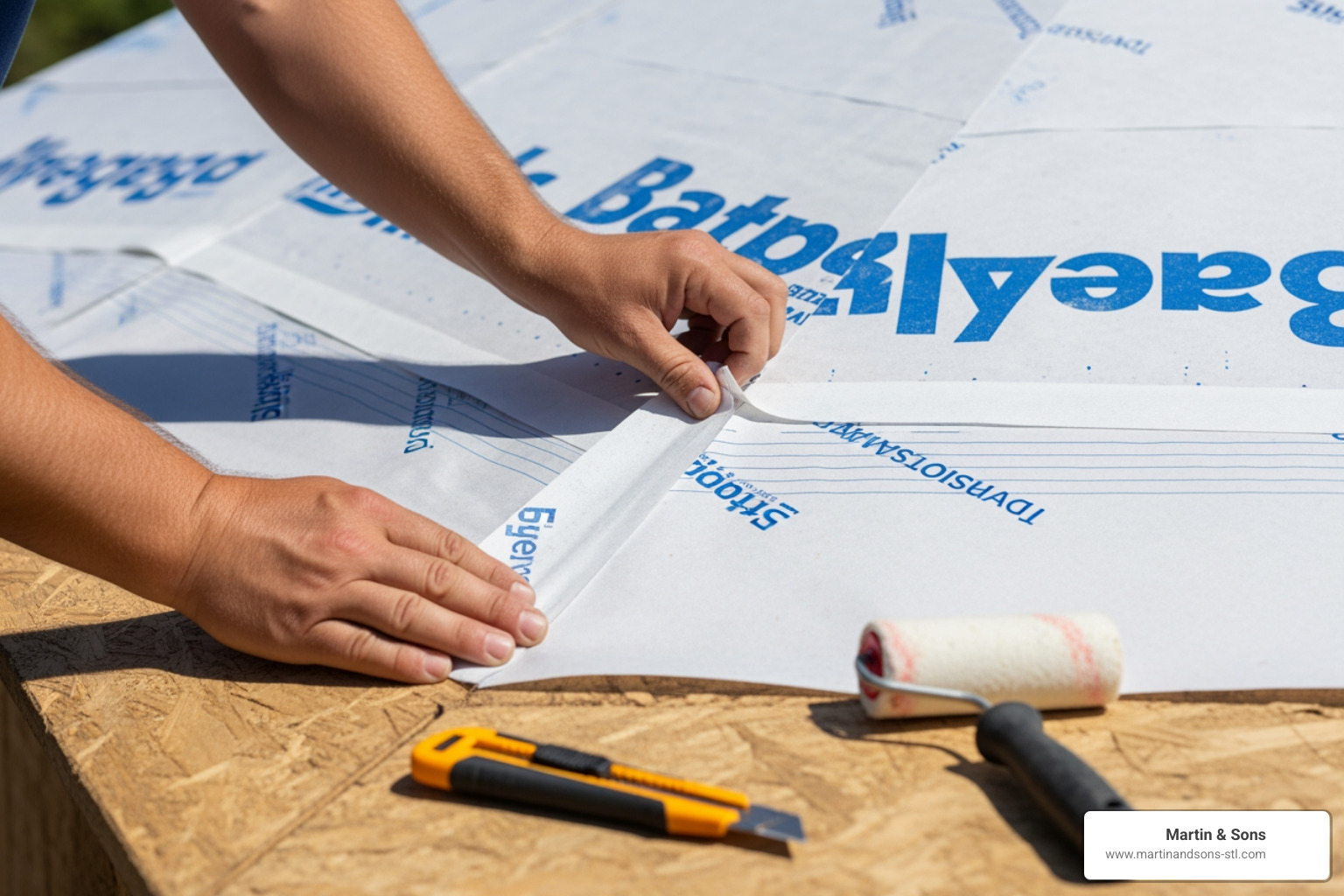
- The Foundation: Start by applying a 3-ft x 3-ft sheet of housewrap or a specialized weather-resistive barrier (WRB) to the wall before the roof trusses are even in place.
- The Membrane: Apply a peel-and-stick membrane (like Grace Ice and Water Shield) along the roof-to-wall intersection. This should lap up the wall at least 6–7 inches.
- Drip Edge: Install your metal drip edge along the eave.
- The Starter Strip: Nail on your shingle starter strip.
- The Kick-Out: This is the “Aha!” moment. The kick-out diverter must be the first piece of flashing installed. Position it flat on the roof, flush against the wall, and about 1/2 to 3/4 inch below the drip edge to match the shingle overhang.
- Fastening: Only nail the flashing in the upper corner. This allows the metal to expand and contract in the Missouri heat without buckling.
Our team at Martin & Sons specializes in these high-performance details. If you’re curious about how we handle these projects, visit our residential roofing services page.
Integrating Step Flashing During a Kick Out Flashing Install
Step flashing and kick-out flashing are like a quarterback and a wide receiver—they have to work together to score. Step flashing consists of “L-shaped” metal pieces that overlap each other as you move up the roofline.
To integrate them correctly:
- Each piece of step flashing should have a 2-inch minimum overlap with the piece below it.
- The vertical wall leg should be at least 4 inches high (some pros prefer 7 inches for extra safety).
- The roof deck leg should be at least 4 inches wide.
- Always alternate: shingle, then flashing, then shingle, then flashing.
This layering ensures that water is always directed onto the shingle below, eventually reaching the kick-out flashing at the bottom. This prevents many of the issues found in martin-sons-llcs-guide-to-common-roofing-problems.
Managing WRB and Siding Integration
The biggest mistake we see in Florissant and O’Fallon is contractors “shingling” the housewrap over the flashing incorrectly. Your housewrap (WRB) must lap over the vertical leg of the flashing. This way, if water gets behind your siding, it sheds down the housewrap, hits the flashing, and stays outside the home.
Additionally, pay attention to siding clearance. You should maintain a 2-inch gap between the bottom of your siding (whether it’s fiber cement, vinyl, or stucco) and the roof surface. This prevents the siding from “wicking” up moisture and allows for easy inspection of the flashing. Using a J-channel for vinyl siding is a great way to keep things clean and functional. For more on why professional integration is key, see the top benefits of professional roofing services.
How to Retrofit Kick-Out Flashing on an Existing Roof
“But Martin & Sons,” you might say, “my house is 20 years old and doesn’t have this!” Don’t worry—you don’t need a whole new roof to fix this. A retrofit kick out flashing install is a common repair.
The Retrofit Process:
- Clear the Area: Remove the gutter and any old, dried-out caulk.
- Access the Wall: Use a flat bar to carefully lift the bottom two or three courses of siding. If you have aluminum siding, be careful—it doesn’t like to bend!
- The Slit Method: If the siding is difficult to remove, some pros use an oscillating tool to cut a precise slit in the siding to slide the flashing behind it.
- Layering: Slide the new kick-out diverter behind the siding and housewrap, but over the existing step flashing.
- Sealant: Apply a high-quality roofing sealant (like Flashmate) to the nail heads and any seams created during the process.
Retrofitting is an excellent time to decide if you need a repair vs replace approach for your entire roof system.
Common Mistakes and Maintenance Tips
Even with the best intentions, a kick out flashing install can go wrong. Here are the “deadly sins” of flashing:
- Inadequate Sealing: Using cheap caulk that cracks in the sun.
- Misplacement: Installing the kick-out too high up the roofline where it can’t catch all the water.
- Incorrect Angle: If the angle is less than 110 degrees, water might still “bridge” the gap and run down the wall.
- Debris Buildup: Because the kick-out is near the gutter, it can trap leaves. If it gets buried in muck, it can’t do its job.
Maintenance Checklist:
- Annual Inspections: Check the flashing every spring and fall.
- Clear the “Wing”: Make sure no leaves are stuck behind the diverter wing.
- Check Fasteners: Look for fastener corrosion or “backing out” of nails. This is also a good time to check if your roof shingles are curling, which could indicate broader ventilation or moisture issues.
Frequently Asked Questions about Kick-Out Flashing
Can I install kick-out flashing without removing siding?
While it’s possible to use the “slit method” with an oscillating tool, it’s not the gold standard. Removing the siding allows for proper layering with the housewrap. If you just shove a piece of metal through a hole in your siding, you’re relying entirely on sealant, which will eventually fail. We always recommend doing it the right way to ensure a permanent fix.
What is the difference between step flashing and kick-out flashing?
Think of step flashing as the “stairs” that lead the water down the wall-roof junction. Kick-out flashing is the “exit ramp” at the bottom of the stairs. Step flashing keeps water from entering the side of the wall; kick-out flashing ensures that once the water reaches the end of the roof, it is pushed away into the gutter rather than running down the exterior siding.
How do I know if my existing flashing is failing?
Look for these red flags:
- Algae or Mold Streaks: Dark green or black streaks on the siding directly below where a roof meets a wall.
- Peeling Paint: Paint bubbling or flaking on wood siding near the gutter line.
- Interior Water Stains: Stains on the ceiling or walls in the room directly below the roof-wall intersection.
- The “Invisible” Rot: If you have fiber cement or vinyl, you might not see anything. If your roof is over 10 years old and doesn’t have visible kick-out “ears,” it’s worth having a professional inspection.
Conclusion
A kick out flashing install might seem like a small detail, but it is one of the most vital components of a healthy home. For homeowners in St. Louis, St. Charles, and the surrounding areas, ensuring this detail is handled correctly can save you from the nightmare of structural rot and mold.
At Martin & Sons, we pride ourselves on getting these details right the first time. We offer:
- No Upfront Deposits: You only pay when you are 100% satisfied.
- Lifetime Labor Warranties: We stand by our work for the long haul.
- Expertise in St. Louis Weather: We know exactly what Missouri storms can do to a roof.
Don’t wait for a leak to tell you that your flashing is missing. Schedule your professional roofing maintenance today and let us give you the peace of mind that comes with a truly waterproof home. Whether you’re in Creve Coeur or Maryland Heights, we’re here to help you protect your biggest investment.