
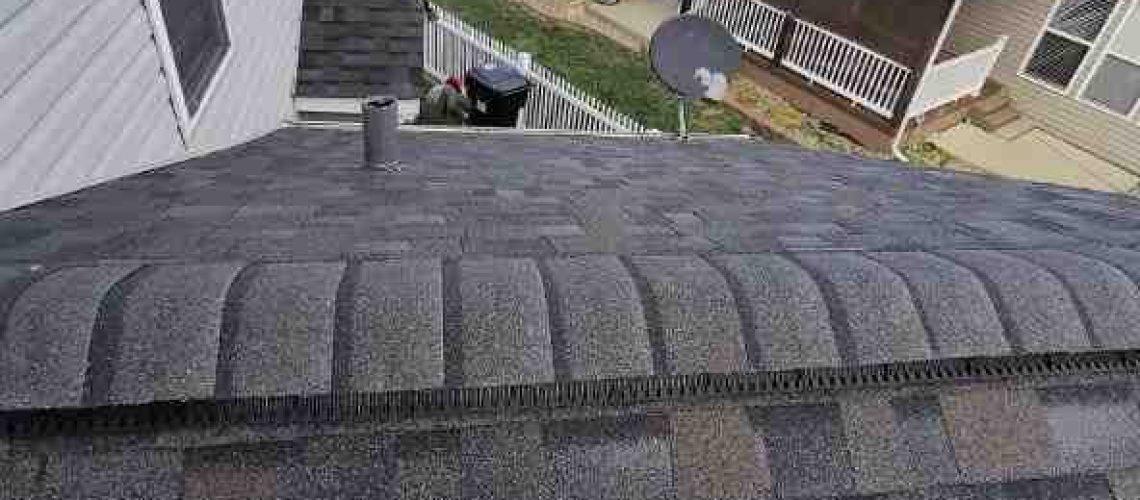
Why Soffit Vents Are the Foundation of a Healthy Attic
Soffit vents are openings built into the underside of your roof’s overhang (the soffit) that let fresh outside air flow into your attic. They are the intake side of your attic’s ventilation system — working with exhaust vents at the top to keep air moving continuously.
Here’s what you need to know at a glance:
- What they do: Draw cool, fresh air into the attic from below
- Where they go: Mounted in the soffit — the panels under your roof’s eaves
- Why they matter: Prevent heat buildup, moisture damage, mold, and ice dams
- The basic rule: Plan for 1 sq. ft. of ventilation per 150 sq. ft. of attic space
- Common types: Individual louver vents, continuous strip vents, round mini-louvers
- Common materials: Aluminum, vinyl, fiber cement, plastic/resin
Without proper soffit ventilation, your attic traps heat and moisture — two things that quietly destroy roofing materials, drive up energy bills, and create conditions for mold growth.
This is one of the most overlooked parts of a home. Most homeowners never think about it until something goes wrong.
I’m John Martin, owner of Martin & Sons LLC, and with over 35 years of hands-on experience installing and repairing roofing systems, I’ve seen what happens when soffit vents are blocked, missing, or undersized. In this guide, I’ll walk you through everything you need to know — from how these vents work to how to choose the right ones for your home.
What Are Soffit Vents and How Do They Work?
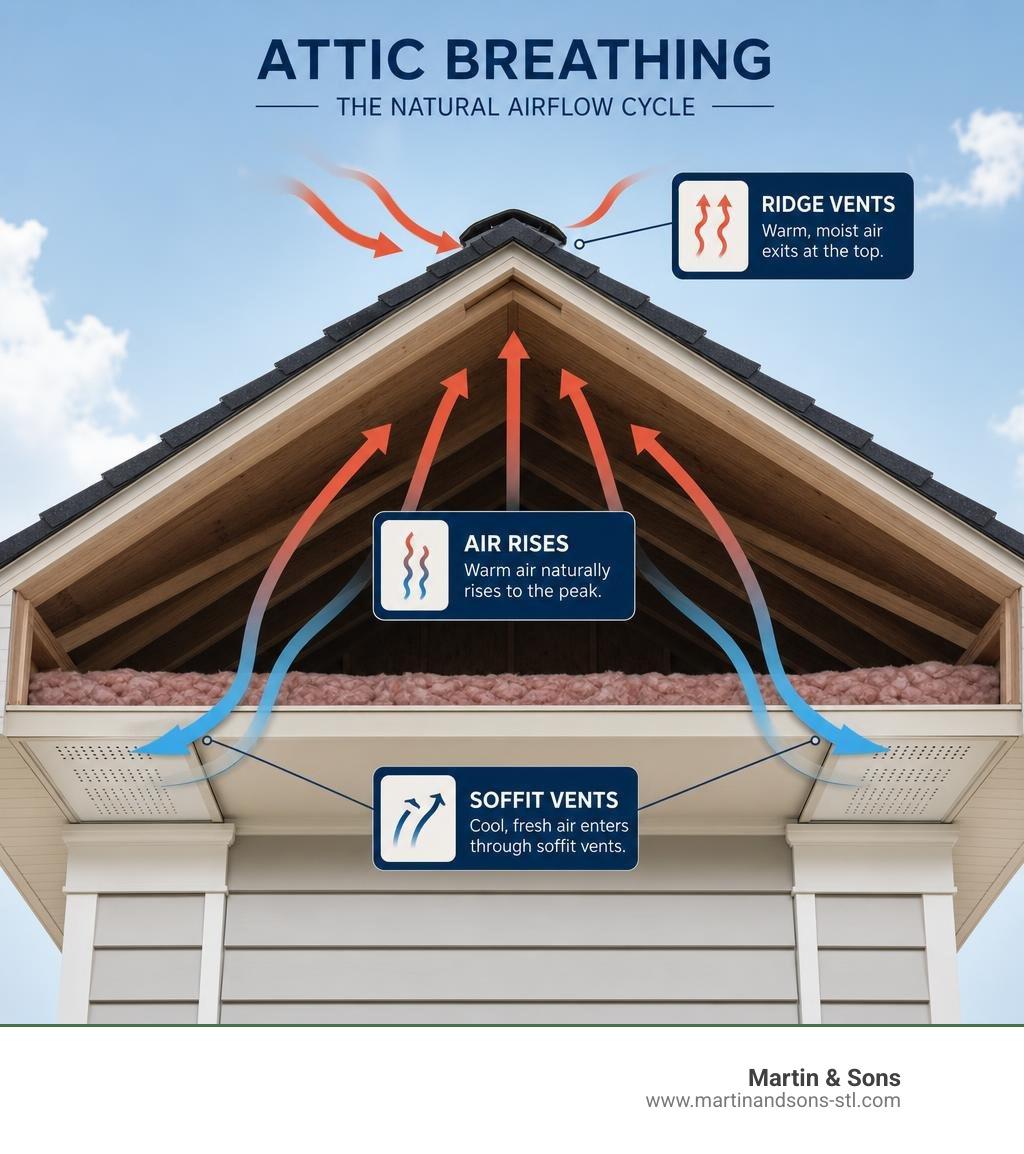
To understand how soffit vents protect your home, you have to think of your attic as a breathing organism. It needs to inhale fresh, cool air and exhale hot, humid air. Soffit vents act as the “inhalation” mechanism.
Located underneath the roof overhang, these vents draw cooler outdoor air into the lowest point of the attic space. Because hot air naturally rises (a process known as convection), the warm air trapped at the top of your attic pushes its way out through exhaust vents located near the roof’s peak. This continuous, passive cycle keeps your attic close to the outdoor temperature, preventing extreme temperature swings.
When we talk about passive airflow, we are describing a system that requires absolutely zero electricity to operate. It relies entirely on natural thermodynamics and wind movement. However, this system only functions correctly when you have a balanced setup. If you’re curious about how to select the ideal partner for your intake vents, check out our A Comprehensive Guide to Choosing the Best Type of Roof Vent.
For homeowners in the St. Louis area—including Chesterfield, Creve Coeur, and Maryland Heights—local weather plays a major role in how our roofs behave. Humid summers and freezing winters mean our attics face constant moisture and temperature stress, making proper ventilation essential for protecting your home’s structure.

How Soffit Vents Partner with Ridge and Gable Vents
A common misconception is that simply having “vents” on your roof is enough. In reality, attic ventilation is a game of balance. To achieve optimal airflow, you must adhere to the 50/50 rule: 50% of your attic ventilation must be intake (low on the roof, like soffit vents), and 50% must be exhaust (high on the roof, like ridge vents).
If you have plenty of exhaust vents but zero intake vents, the exhaust vents will actually begin drawing air out of your home’s living spaces through tiny gaps in your ceiling, wasting your air conditioning. Conversely, if you only have intake vents and no exhaust, the hot air will simply pool at the peak of your roof, baking your shingles from the inside out.
Soffit vents work hand-in-hand with:
- Ridge Vents: Continuous vents running along the horizontal peak of your roof, hidden beneath a layer of shingles.
- Gable Vents: Screened openings located on the vertical side walls of your home’s gables.
To see how these systems stack up against each other, take a look at our detailed Roof Vent Installation Guide Static vs Turbine vs Ridge. If you have noticed draftiness or extreme heat in your St. Charles home, seeking professional assistance from an experienced local contractor can resolve these issues and ensure your system is properly balanced.
Continuous vs. Individual Soffit Vents
When choosing how to distribute intake air across your eaves, you generally have two choices: continuous strip vents or individual louver vents.
- Continuous Strip Vents: These are long, narrow vent strips that run uninterrupted along the entire length of your eave line. They provide the most uniform distribution of fresh air, ensuring there are no “dead zones” in your attic where air can stagnate.
- Individual Louver Vents: These are rectangular or round vents installed at regular intervals between your roof rafters (often called “bird blocks”). While they are easier to retrofit into existing solid wood soffits, they require careful spacing to prevent uneven airflow.
If you are dealing with specific architectural styles or plaster-based exterior finishes, specialized options like a Soffit Vent with Perforated Flanges or an “F” Series Architectural Soffit Vent can provide clean edge coverage while maintaining excellent airflow. For unique international or specialized projects, products such as the Timloc 1137 Type C Soffit Vent Strip With 10mm Opening – 2.4m (Pack of 10) from £44.54 showcase how standardized strip vents are manufactured to meet strict performance regulations.
Materials, Sizes, and Key Features of Soffit Vents
Selecting the right vent involves balancing aesthetic appeal, structural durability, and the Net Free Area (NFA) rating. The NFA rating tells you the actual open area of the vent through which air can freely pass, usually measured in square inches per linear foot or per individual vent unit.
When planning a home exterior upgrade in O’Fallon, St. Peters, or Florissant, coordinating your siding and eave components is essential. Working with a professional contractor ensures these elements integrate seamlessly with your overall siding design to maximize both curb appeal and ventilation efficiency.
Comparing Vent Materials: Aluminum, Vinyl, and Fiber Cement
The material you choose impacts how long your vents will last and how much maintenance they will require. Let’s break down the three most popular options:
| Material | Relative Cost | Durability | Maintenance Level | Best Suited For |
|---|---|---|---|---|
| Aluminum | Moderate | High | Very Low | Excellent all-rounder; highly resistant to pests and warping |
| Vinyl | Low | Moderate | None | Cost-effective; won’t rot, peel, or rust; matches vinyl siding |
| Fiber Cement | High | Extremely High | Low | High-end homes; fire-resistant; matches James Hardie siding |
While vinyl is highly popular due to its moisture resistance and budget-friendly price point, aluminum is favored for its sheer strength and resistance to animal chewing. Fiber cement is incredibly heavy and durable, making it an excellent long-term investment for historic or premium homes in neighborhoods like Chesterfield or Ladue.
When replacing your soffits, it is also the perfect time to inspect the underlying wooden structure. Read our guide on Roofing Underlayment Replacement and Decking Essentials to understand how the wood beneath your roof protects your home from structural failure.
Essential Features: Screens, Fire Protection, and Wildlife Guards
Your soffit is a prime target for unwelcome visitors. Birds, squirrels, raccoons, and wasps love the warm, sheltered environment of an attic. This is why high-quality soffit vents must feature built-in screens or wildlife guards to block pest entry without restricting airflow.
Furthermore, in some areas, fire protection is a major consideration. Specialized products like Soffit Vents – Vulcan Vents – Fire and Ember Safe Vents utilize an intumescent coating. In the presence of extreme heat or flames, this coating expands rapidly to seal the vent, preventing flying embers from entering the attic and igniting the home from the inside out.
Preventing Ice Dams, Mold, and Attic Overheating
Properly functioning soffit vents protect your home from three major threats:
- Ice Dams: During St. Louis winters, heat escaping from an unventilated attic melts the snow on your roof. This water runs down to the cold eaves, where it refreezes, forming a thick ice dam. Water then backs up under your shingles, causing severe leaks. Continuous intake ventilation keeps the roof deck cold, preventing this melting-and-freezing cycle.
- Attic Mold: Everyday household activities like showering, cooking, and doing laundry release moisture into your home. If this moisture rises into a cold, unventilated attic, it condenses on the cold wood framing, creating a breeding ground for wood-rotting mold.
- Attic Overheating: In July and August, attic temperatures can easily exceed 140°F. This intense heat radiates down through your ceiling, forcing your AC to work double-time. It also literally bakes your asphalt shingles, causing them to curl, crack, and fail prematurely.
To keep these issues at bay, consistent upkeep is critical. Read more about why proactive care is so valuable in our article on Roofing Maintenance Service Why Prevention Beats Cure. For those dealing with existing biological growth, check out The Ultimate Guide to Professional Roof Moss Removal Services.
If your roof has suffered from severe weather, you may also need to review our resources on The Ultimate Guide to Identifying and Repairing Wind Damage and Best Practices for Installing a Roof Cricket Essential Guide.
How to Properly Install and Maintain Soffit Vents
Installing soffit vents can be done as a retrofit or during a complete siding replacement. The most critical step during installation is ensuring that attic insulation (such as blown-in fiberglass or cellulose) does not block the vent openings inside the attic. To prevent this, installers use “attic baffles” or “raft vents”—plastic or foam channels nailed directly to the roof rafters that keep the insulation pushed back and leave a clear pathway for incoming air.
If you are embarking on this project, here are the essential tools you will need:
- Hole saw or jigsaw (for cutting vent openings)
- Cordless drill and corrosion-resistant screws
- Safety glasses and dust mask
- Attic baffles (to clear insulation)
- High-quality exterior caulk
If your roof shingles are already showing signs of wear from poor ventilation, refer to The Homeowners Guide to Shingle Roof Repair to plan your next steps.
Special Case: Venting Bathroom Fans Through the Soffit
One of the most common residential building mistakes is venting a bathroom exhaust fan directly into the soffit area. When moist air is pushed out of a standard flush-mount soffit vent, the passive intake of the attic immediately sucks that humid air right back inside! This leads to localized mold rot directly above the eave.
To solve this, specialized products like the Soffit Vent for Bathroom Fan | PreVent-It are designed to displace exhausted air away from the passive intake stream, throwing it beyond the gutter line. Exploring the Best Soffit Vents | PreVent-It can help you find high-performance solutions engineered specifically to handle bathroom fan moisture safely.
Long-Term Maintenance and Cleaning
Over time, soffit vents act like giant air filters, collecting dust, cobwebs, and airborne debris. If they become clogged, your attic’s airflow will grind to a halt.
Every spring, take a look under your eaves. If you notice dust buildup, you can clean them using a stiff brush or by gently spraying them with a garden hose (never use a high-powered pressure washer, which can blast water up into your attic insulation).
To ensure your entire system is in top shape, we recommend a professional assessment. Read Why Every St. Louis Homeowner Needs a Roof Inspection to see how we evaluate your attic’s health. For commercial properties, check out our 5 Best Practices for Commercial Roofing Maintenance.
Frequently Asked Questions About Soffit Vents
How many soffit vents do I need for my attic?
The standard industry rule of thumb is the 1/150 rule: you need 1 square foot of net free ventilation area for every 150 square feet of attic floor space. If you have a balanced system (equal intake and exhaust) and a vapor barrier, you can sometimes use the 1/300 rule (1 square foot of ventilation per 300 square feet of attic space). Always calculate your Net Free Area carefully to ensure your intake capacity matches your exhaust capacity.
Can I install soffit vents myself?
If you have comfortable DIY skills, a sturdy ladder, and easy access to your attic, retrofitting individual round or rectangular soffit vents is highly achievable. However, installing continuous strip vents or dealing with steep, high rooflines is best left to professional contractors who have the safety equipment and specialized tools to get the job done right.
What is the typical cost of soffit vents?
Individual aluminum or vinyl soffit vents are highly affordable, typically ranging from $5 to $15 per vent at major retailers like Home Depot or Amazon. Continuous vinyl or aluminum panels can range from $10 to $30 per panel depending on length and material quality. The main cost of a ventilation upgrade lies in the labor required to cut the openings, install attic baffles, and ensure proper sealing.
Conclusion
Your attic’s ventilation system is only as good as its intake. By ensuring your soffit vents are clean, properly sized, and paired with high-quality exhaust vents, you can protect your roof deck, lower your utility bills, and prevent costly mold remediation.
At Martin & Sons, we have spent decades helping homeowners across St. Louis, St. Charles, Florissant, and O’Fallon keep their homes comfortable and durable. We believe in providing the best prices upfront with no upfront deposits—you only pay when you are 100% satisfied with our work. Plus, we back our craftsmanship with lifetime labor warranties.
If you suspect your attic isn’t breathing correctly, don’t wait for mold or ice dams to tell you there’s a problem. Check out our Roof Vent Installation Guide Static vs Turbine vs Ridge or reach out to us today to schedule a professional attic ventilation assessment!