
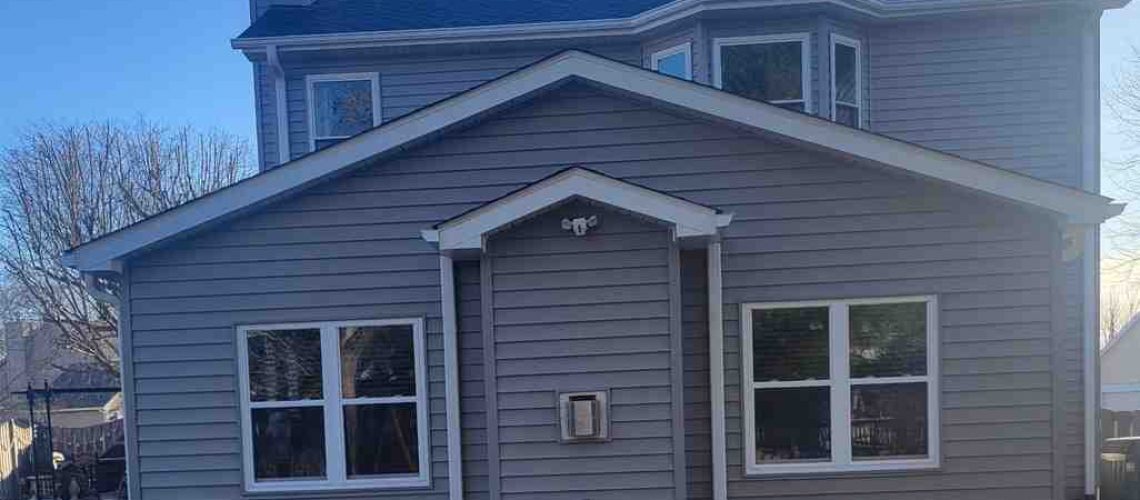
What Does Window Replacement Actually Cost — and Is It Worth It?
Window replacement is one of the most impactful home upgrades you can make — affecting your energy bills, comfort, curb appeal, and resale value all at once.
Here’s a quick snapshot to answer the most common questions upfront:
| Question | Quick Answer |
|---|---|
| Average cost per window (installed) | $300 – $1,800 depending on style, material, and size |
| Best window frame material | Vinyl for most homes; fiberglass for extreme climates |
| Energy savings potential | $200 – $500 per year with ENERGY STAR-rated windows |
| Best time to replace | Late spring through early fall; winter is possible |
| DIY or professional install? | Professional install recommended to protect warranties |
| Does it increase home value? | Yes — 3 out of 4 real estate agents agree new windows add at least 10% to home value |
Windows do far more than let in light. Heat gain and heat loss through windows account for 25%–30% of your home’s entire heating and cooling energy use. If your windows are old, drafty, or fogged up, you’re likely paying for it every month on your utility bill — without even realizing it.
The good news? Replacing your windows doesn’t have to be overwhelming or expensive when you know what to look for.
I’m John Martin, and my family has been helping St. Louis homeowners with window replacement and other major renovations since 1953 — that’s over 35 years of personal experience I bring to every project. In this guide, I’ll walk you through everything you need to make a smart, confident decision.

Key Factors That Influence Window Replacement Cost
When planning a budget for your home improvement project, it helps to understand that no two window projects are exactly alike. The total cost of your window replacement is determined by a combination of material choices, design preferences, and physical home requirements.
First and foremost is the rough opening size. If your home’s structural framing is settled or damaged, preparing the opening to receive a new window can require extra carpentry work. If we have to rebuild rotten studs or adjust the opening size, it adds to the overall labor time.
Labor costs themselves vary widely based on your geographic region and the complexity of the installation. For example, installing a window on a third-story dormer requires specialized safety equipment and more time than putting one in a first-floor living room.
The installation type you choose also plays a major role in your final invoice. Let’s look at how the physical installation impacts your wallet.
For a deeper dive into how these variables interact, take a look at our Beginners Guide to Window Replacement Cost.
When to Choose New Construction vs. Replacement Windows
Homeowners often get confused by the terms “new construction windows” and “replacement windows.” They serve two very different purposes:
- New Construction Windows: These windows feature integrated “nailing fins” (or nailing flanges) around the outer edge. They are designed to be nailed directly into the exposed wooden studs of a home. They are used when building a brand-new home, building an addition, or when the exterior siding is being completely removed anyway.
- Replacement Windows (Insert or Pocket Windows): These windows do not have nailing fins. Instead, they are engineered to slide directly into your existing window frame. This means we don’t have to tear up your interior trim or disturb your exterior siding.
If your existing window frames are square, level, structurally sound, and free of rot, an insert replacement is the most cost-effective and least disruptive option. However, if the wood frame surrounding your window is soft, decaying, or badly warped, you will need a full-frame replacement, which mirrors a new construction installation. This process removes the entire window frame down to the studs to ensure a lasting seal.
To learn more about analyzing your home’s current framing, read our article on What to Consider When Replacing Your Windows.
How to Measure for Your Window Replacement Project
Getting accurate measurements is the absolute foundation of a successful window project. A window that is even a quarter of an inch too large simply won’t fit, while one that is too small will leave massive gaps that invite drafts and moisture.
When measuring for replacement windows, always measure the inside of the existing window frame, not the moving sashes.
- Width: Measure the distance between the jambs at three points: the bottom, middle, and top of the window. Write down the smallest of these three measurements.
- Height: Measure from the high point of the sill (the part closest to the inside) to the top header jamb. Do this on the left, center, and right. Write down the smallest measurement.
- Jamb Depth: Open your window and measure the depth of the frame from the inner trim to the outer stop. You need at least 3 and 1/4 inches of depth for most standard insert replacements.
The rough opening dimensions (the space between the bare wood studs) should generally be 3/4-inch to 1-inch larger than the replacement window itself to allow for proper plumbing, leveling, and insulation on-site. While standard sizes are readily available and cost less, older homes often require custom-sized windows to fit unique openings.
If you want a step-by-step checklist on preparing your home for ordering, read Clear Views Ahead: Your Ultimate Guide to Buying Replacement Windows.
Average Cost Breakdown for Window Replacement by Style
The style of window you choose directly impacts both the material cost and the ease of installation. Here is what you can generally expect for the most common window styles in June 2026:
- Single Hung Windows: Only the bottom sash opens upward, while the top sash remains fixed. These are highly affordable, typically ranging from $150 to $500 per window before installation.
- Double Hung Windows: Both the top and bottom sashes open and tilt inward for incredibly easy cleaning. They are the most popular choice for multi-story homes. Prices usually range from $300 to $1,000+ depending on the frame material.
- Sliding Windows: These windows slide horizontally along a track. They are excellent for wide openings, modern home designs, and tight exterior spaces like patios or walkways. Expect to pay between $400 and $1,200.
- Casement Windows: These windows are hinged on one side and crank outward like a door. They offer exceptional ventilation and a tight seal when closed. They typically cost between $500 and $1,400.
- Picture Windows: These are fixed windows that do not open. Because they have no moving parts, they are highly energy-efficient and offer unobstructed views, usually costing between $300 and $1,500 depending on the size of the glass.
- Egress Windows: Specifically designed for basements to provide a safe escape route in emergencies, these require excavation, structural framing, and specialized wells.
Because basement transformations have unique building code requirements, we highly recommend reading The Great Escape: A Guide to Egress Window Installation and Replacement Costs to understand the complete cost breakdown.
Comparing Window Frame Materials and Durability
The material of your window frames dictates how much maintenance you will perform, how long the windows will last, and how well they will insulate your home against harsh Midwestern weather.
| Material | Average Cost | Lifespan | Maintenance Level | Best Feature |
|---|---|---|---|---|
| Vinyl | Low to Moderate | 20 – 40 Years | Low (No painting) | Best overall value and insulation |
| Wood | High | 30 – 50+ Years | High (Requires staining/painting) | Unmatched classic beauty |
| Fiberglass | High | 40 – 50 Years | Low | Extreme structural strength |
| Aluminum | Moderate | 20 – 30 Years | Low | Sleek, modern profiles |
For most homeowners in the St. Louis metro area, including our neighbors in St. Peters, MO and Florissant, MO, finding the right balance of price and durability is key. For a comprehensive overview of the most popular material on the market, check out The Complete Guide to Vinyl Windows.
Vinyl and Vinyl-Clad Wood Options
Vinyl windows are constructed from rigid, impact-resistant polyvinyl chloride (PVC). Inside the frame, hollow chambers trap air, which acts as a built-in thermal barrier to prevent heat transfer. They are highly resistant to moisture, meaning they won’t rot, peel, or warp in our humid Missouri summers.
If you love the warmth of real wood but dread the exterior maintenance, vinyl-clad wood windows offer a fantastic middle ground. These feature a real wood interior frame that you can paint or stain to match your home’s decor, protected by a durable, weather-resistant vinyl exterior shell.
To explore this hybrid option, check out The Best of Both Worlds: A Guide to Vinyl Clad Wood Windows. If you are leaning toward pure vinyl, be sure to weigh all the factors by reading Vinyl Windows: What Are the Pros and Cons of This Material.
Fiberglass and Aluminum Alternatives
Fiberglass windows are the heavyweights of the window world. Made from glass fibers and resin, they possess immense structural strength. Because fiberglass is made of the same basic material as the glass pane itself, the entire window expands and contracts at the exact same rate during extreme temperature swings. This prevents seal failures and extends the window’s lifespan, though they come with a premium price tag.
Aluminum windows are incredibly strong and lightweight, allowing for very thin frame profiles and maximum glass area. However, aluminum has high thermal conductivity — meaning it easily conducts heat and cold from the outdoors into your home. This makes pure aluminum windows a poor choice for energy efficiency in climates with freezing winters, though they are still popular in commercial applications or mild coastal regions.
Maximizing Energy Efficiency and Long-Term Savings
Upgrading your windows is one of the few home improvements that actually pays you back over time. Old, single-pane windows allow heat to escape in the winter and pour in during the summer, forcing your HVAC system to run constantly.
By selecting energy-efficient models, you can significantly reduce your monthly utility bills. Let’s look at what makes a modern window so efficient.
To learn more about how these modern technologies translate to lower monthly bills, read Top Reasons to Upgrade to Energy Efficient Windows.
Understanding Glass Packages and Gas Fills
Modern energy efficiency is all about the “glass package.” Single-pane glass is a thing of the past. Today, you should look for:
- Double Pane vs. Triple Pane: Double-pane windows feature two layers of glass with an insulating space in between. Triple-pane windows add a third layer of glass, creating two insulating barriers. While triple-pane provides the ultimate sound dampening and thermal protection, double-pane windows are the standard recommendation for our local climate.
- Gas Fills: The space between the glass panes is filled with an odorless, non-toxic dense gas — usually argon or krypton. These gases are much denser than regular air, slowing down the transfer of heat through the glass.
- Low-E Coatings: Low-Emissivity (Low-E) coatings are microscopically thin, metallic oxide layers applied to the glass. They reflect infrared heat back to its source (keeping heat inside in winter and outside in summer) while allowing visible light to pass through.
- Warm-Edge Spacers: These hold the glass panes apart and seal the gas inside, preventing condensation and keeping the edges of the window warm.
If you are curious about the mechanics of how these elements work together, read New Windows and Doors Can Increase Your Homes Energy Efficiency.
Decoding Energy Performance Ratings
When shopping for windows, always look for the National Fenestration Rating Council (NFRC) label. This label provides unbiased energy performance ratings:
- U-Factor: This measures the rate of non-solar heat flow. The lower the U-factor, the better the window is at insulating your home. Look for a U-factor of 0.27 or lower for optimal performance.
- Solar Heat Gain Coefficient (SHGC): This measures how much solar radiation passes through the window. In the St. Louis area, we experience both freezing winters and scorching summers, so a balanced SHGC (typically between 0.25 and 0.40) is ideal.
- Visible Transmittance (VT): This measures how much natural light comes through. A higher number means a brighter room.
- Condensation Resistance: Rated from 1 to 100, a higher number means the window is better at resisting moisture buildup on the glass surface.
For a deeper understanding of how to read these labels to maximize your return on investment, see Energy Efficient Windows Help You Save.
Alternatives to Full Replacement for Efficiency
If a full home window replacement isn’t in your budget right now, there are several highly effective ways to boost the efficiency of your existing windows:
- Weatherstripping and Caulking: Replacing worn-out weatherstripping and applying fresh exterior caulk can seal major air leaks for just a few dollars.
- Storm Windows: Adding exterior or interior storm panels can create an extra insulating pocket of air, nearly doubling the efficiency of single-pane windows.
- Window Coverings: Cellular shades, heavy drapes, or insulated blinds can block significant heat transfer when closed during the hottest or coldest parts of the day.
- Solar Control Films: Applying a thin adhesive film to your glass can block UV rays and reduce solar heat gain in south-facing rooms.
If you live in our local area and want to explore your options, read our Window Replacement in Florissant MO: Your Essential Guide for tailored local advice.
Frequently Asked Questions About Home Windows
What are the warning signs that windows need to be replaced?
Your windows will usually tell you when they are reaching the end of their lifespan. Look out for these critical warning signs:
- Drafts and Cold Spots: If you feel a breeze standing near a closed window, the seals or frame have failed.
- Condensation Between Panes: If you see fog, moisture, or water droplets trapped between the double panes of glass, it means the insulated glass unit (IGU) seal has broken. The insulating gas has escaped, and the window must be repaired or replaced.
- Visible Rot or Water Damage: Soft wood, peeling paint, or mold around the wood frames are signs of active moisture damage.
- Difficulty Operating: Windows that stick, rattle, or require immense muscle power to open and close are safety hazards.
To learn how to inspect your windows like a pro, read our guide on Signs That It Is Time to Consider a New Window Installation.
What is the best time of year to schedule window installation?
While we can replace windows year-round (even in winter, by replacing them one room at a time to prevent heat loss), late spring, summer, and early fall are the most popular seasons.
During these months, the mild temperatures make the installation comfortable for our crews, and the caulking and sealants cure much more effectively in warm weather. However, because this is peak home improvement season, contractor schedules fill up quickly. Booking your project in the late winter or early spring often yields better scheduling availability.
For expert planning tips, read our Window Replacement Tips for Your Next Home Project.
Is DIY window installation recommended over professional services?
While replacing a window yourself might seem like a great way to save on labor, it is an intermediate-to-advanced DIY project.
Improper installation can lead to water leaks, structural damage, and air drafts that ruin the energy efficiency of your expensive new window. Furthermore, most window manufacturers will completely void their product warranties if the window is not installed according to their exact specifications.
Hiring a professional contractor ensures that your windows are perfectly leveled, sealed, insulated, and backed by a robust labor warranty. If you are ready to explore professional installation options, check out our Professional window replacement services from Martin & Sons.
Conclusion
Upgrading your home’s windows is an investment in your comfort, safety, and financial future. When you choose the right materials, styles, and energy-efficient features, your new windows will pay dividends for decades to come.
At Martin & Sons, we pride ourselves on making window replacement completely stress-free. We serve homeowners across the entire St. Louis region, including St. Peters, St. Charles, Florissant, Chesterfield, Creve Coeur, Maryland Heights, and O’Fallon, MO.
We stand apart from other contractors with our customer-first policies:
- No upfront deposits — you don’t pay a single dime until the job is 100% complete and you are completely satisfied.
- Lifetime labor warranties on our installations.
- Best prices upfront without high-pressure sales tactics.
Ready to transform your home? Here are your next steps:
- Learn more about The Benefits of Replacing the Windows on Your Home.
- Schedule a professional Window Inspection to Protect Your Home.
- Read our localized Explore window replacement services in Florissant MO.
- Ready for an estimate? Schedule a consultation with Martin & Sons today, and let us help you bring your vision to life!