
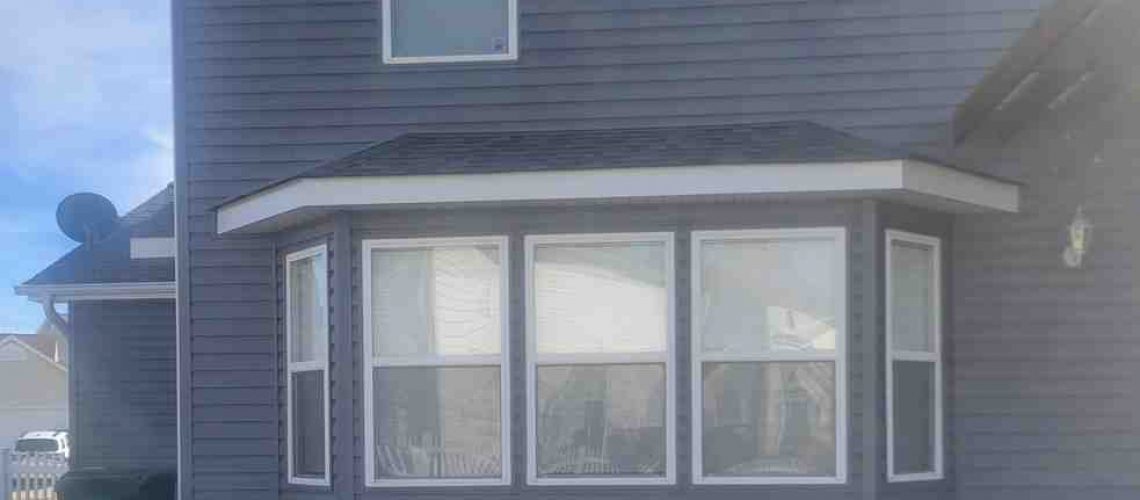
Why Choosing the Best House Windows Matters More Than You Think
The best house windows do a lot more than let in light — they keep out drafts, reduce noise, cut your energy bills, and protect your home from harsh weather.
Here’s a quick look at the top window brands homeowners should consider in 2026:
| Brand | Frame Material | Best For | Price Range |
|---|---|---|---|
| Andersen | Composite (Fibrex), wood, vinyl | Premium performance, extreme weather | $$$-$$$$ |
| Pella | Vinyl, wood, fiberglass | Variety, style options, value | $$-$$$$ |
| Marvin | Wood, composite | High-end aesthetics, custom sizes | $$$$ |
| Jeld-Wen | Vinyl, wood, composite | Broad selection, mid-range budget | $$-$$$ |
| Window World | Vinyl only | Budget-friendly replacement | $ |
| American Craftsman | Vinyl | Entry-level, Home Depot availability | $ |
| Reliabilt | Vinyl | Lowe’s budget option | $ |
A few things worth knowing upfront:
- The most expensive windows don’t always perform best. Independent lab tests from Consumer Reports show that budget vinyl windows sometimes outperform pricier wood models in wind and rain resistance.
- Energy Star certified windows can save the average homeowner around 13% on energy bills.
- Professional installation matters just as much as the brand you choose.
- The average cost to replace one window professionally is around $800, ranging from $300 to $3,000.
I’m John Martin, owner of Martin & Sons LLC, and with over 35 years of hands-on experience helping St. Louis homeowners find the best house windows for their specific needs, I’ve seen how the right choice transforms comfort, curb appeal, and energy costs. Let’s walk through everything you need to know to make a confident decision.
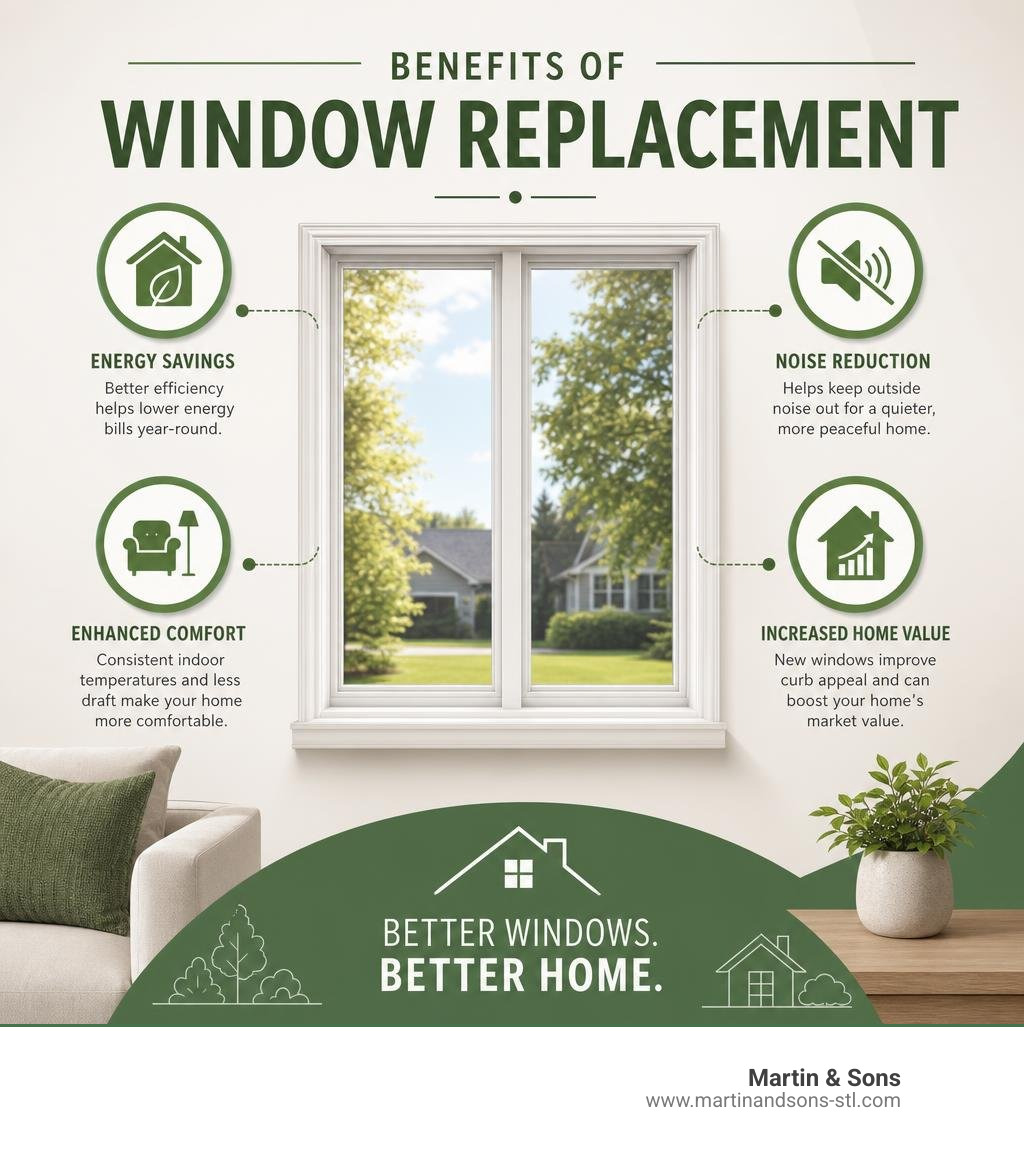
Key Factors in Selecting the Best House Windows
When you start shopping for replacement windows, it is easy to get overwhelmed by the sheer volume of choices, styles, and high-pressure sales pitches. However, finding the best house windows for your home really comes down to balancing three foundational pillars: energy efficiency, durability, and aesthetics.
Your home’s windows are its eyes to the world, but they are also major components of your thermal envelope. If you choose a window that looks beautiful but lacks structural integrity, you will find yourself dealing with drafts and seal failures in just a few years. Conversely, an incredibly efficient window that doesn’t match your architectural style will hurt your home’s curb appeal and resale value.
To help you navigate these initial decisions, we recommend checking out our guides on Clear Views Ahead: Your Ultimate Guide to Buying Replacement Windows and What to Consider When Replacing Your Windows. These resources lay the groundwork for understanding how a window interacts with your home’s siding, framing, and overall ventilation.
Understanding NFRC and Energy Star Ratings for the Best House Windows
If you want to cut through the marketing jargon used by window manufacturers, you only need to look at one thing: the National Fenestration Rating Council (NFRC) label. The NFRC is an independent, non-profit organization that tests and certifies window performance. Think of it as the “Nutrition Facts” label for your windows.
When evaluating the best house windows, keep an eye on these key metrics on the NFRC label:
- U-Factor: This measures how well the window prevents heat from escaping your home. U-factor ratings typically range from 0.20 to 1.20. The lower the U-factor, the better the window insulates. In the St. Louis region, where we experience both freezing winters and scorching summers, look for a U-factor of 0.27 or lower.
- Solar Heat Gain Coefficient (SHGC): This measures how much solar radiation passes through the window, heating up your living space. SHGC is expressed as a number between 0 and 1. A lower SHGC means less solar heat enters your home. In our four-season climate, a moderate SHGC (around 0.25 to 0.30) is usually ideal to block summer heat while still allowing some warmth from the winter sun to assist your furnace.
- Visible Transmittance (VT): This measures how much natural light actually passes through the glass. It is rated between 0 and 1. A higher VT means brighter rooms, but keep in mind that heavy Low-E coatings can slightly lower this number.
- Air Leakage: This rating measures how much air passes through the window’s joints and seals. Look for a rating of 0.3 cfm/ft² or lower to keep cold winter drafts at bay.
By selecting windows that meet Energy Star certification standards for our specific climate zone, you ensure your home remains comfortable year-round while keeping your utility bills predictable.
How Lab Testing Identifies the Best House Windows for Weather Resistance
You might wonder how window manufacturers prove their products can survive a severe Midwestern thunderstorm. Independent laboratory testing (like the evaluations conducted by Consumer Reports) puts these windows through absolute torture chambers to find out which ones hold up and which ones fail.
During these weather-resistance tests, engineers install standard-sized double-hung windows into specialized test chambers. Here is how they evaluate performance:
- The Wind Resistance Test: Technicians simulate wind speeds of 25 mph and 50 mph at extreme temperatures—ranging from a freezing 0°F to a sweltering 70°F. The best windows can withstand simulated gale-force winds up to 74 mph without bowing or letting drafts slip through, while lower-quality windows begin to leak air heavily at just 35 mph.
- The Rain Resistance Test: To simulate a torrential downpour, the test chamber blasts the window with 5 gallons of water per square foot per hour while simultaneously applying wind pressure. This tests the sash seals, frame welds, and weep holes to make sure water drains outward rather than pooling inside your drywall.
- Simulated Aging: While older tests focused on physical wear-and-tear from opening and closing, modern testing reveals that high-quality vinyl, composite, and clad-wood windows hold up incredibly well to physical operation. The real test of time is how well they resist structural warping under rapid temperature swings.
What these independent lab tests continuously prove is that price does not guarantee performance. Several budget-friendly vinyl windows actually outperform expensive custom wood windows when it comes to keeping out howling winds and heavy rain.
Comparing Window Frame Materials: Performance, Cost, and Maintenance
The material you choose for your window frames dictates how much maintenance you will have to perform, how long the windows will last, and how much they will cost upfront.
To give you a quick overview, let’s compare the three primary frame options:
| Feature | Vinyl Frames | Wood & Clad-Wood | Composite & Aluminum |
|---|---|---|---|
| Upfront Cost | Low to Moderate | High to Very High | Moderate to High |
| Maintenance | Virtually None (Soap & Water) | High (Sanding & Painting) | Low (Occasional Cleaning) |
| Insulation Value | Excellent | Excellent | Very Good to Excellent |
| Durability | High (Won’t rot or rust) | Moderate (Prone to moisture damage) | Outstanding (Highly stable) |
| Resale Value ROI | ~67% Recouped | ~63% Recouped | ~65% Recouped |
Vinyl Windows
Vinyl is the undisputed heavyweight champion of the replacement window market, and for good reason. Made from polyvinyl chloride (PVC), vinyl frames are highly durable, impervious to moisture, and require absolutely zero painting or staining.
Because the color goes all the way through the material, minor scratches or dings from stray lawnmower rocks are virtually invisible. To learn more about this popular, budget-friendly material, take a look at our detailed resources: The Complete Guide to Vinyl Windows and Vinyl Windows: What Are the Pros and Cons of This Material.
While early vinyl windows from decades ago had a reputation for warping in extreme heat, modern compounding agents and multi-chambered frame designs ensure today’s vinyl windows remain perfectly square and structurally sound even during hot July afternoons in Missouri.
Wood and Clad-Wood Windows
For historic homes in areas like St. Charles or older neighborhoods in St. Louis, nothing beats the classic, warm aesthetic of real wood. Wood frames offer exceptional natural insulation because wood does not easily conduct heat or cold.
However, bare wood windows require a lifetime commitment to maintenance. If you don’t paint, stain, and seal them every few years, they will rot, warp, and swell.
To solve this problem, many homeowners opt for clad-wood windows. These feature a gorgeous, natural wood interior that matches your indoor trim, paired with a tough, weather-resistant vinyl or aluminum exterior “cladding” that protects the wood from the elements. You can read more about this hybrid option in our article, The Best of Both Worlds: A Guide to Vinyl-Clad Wood Windows.
Composite and Aluminum Windows
Composite window frames are made from a blend of wood fibers and thermoplastic resins (such as Andersen’s proprietary Fibrex material). They offer the strength and paintability of real wood with the low-maintenance benefits of vinyl. They are incredibly stable and expand and contract very little during rapid temperature shifts.
For ultra-modern homes, high-end aluminum frames are also rising in popularity. Modern, thermally-broken aluminum systems—such as the sustainable, passive-house-certified Reynaers MasterLine 10—offer incredibly slim sightlines, massive glass areas, and outstanding structural strength. These systems are engineered to meet the strictest energy standards while providing a sleek, contemporary look that traditional materials simply cannot duplicate.
Window Styles and Glass Technologies for Maximum Comfort
The style of window you choose changes how your home breathes, how much light enters, and how easy the glass is to clean.
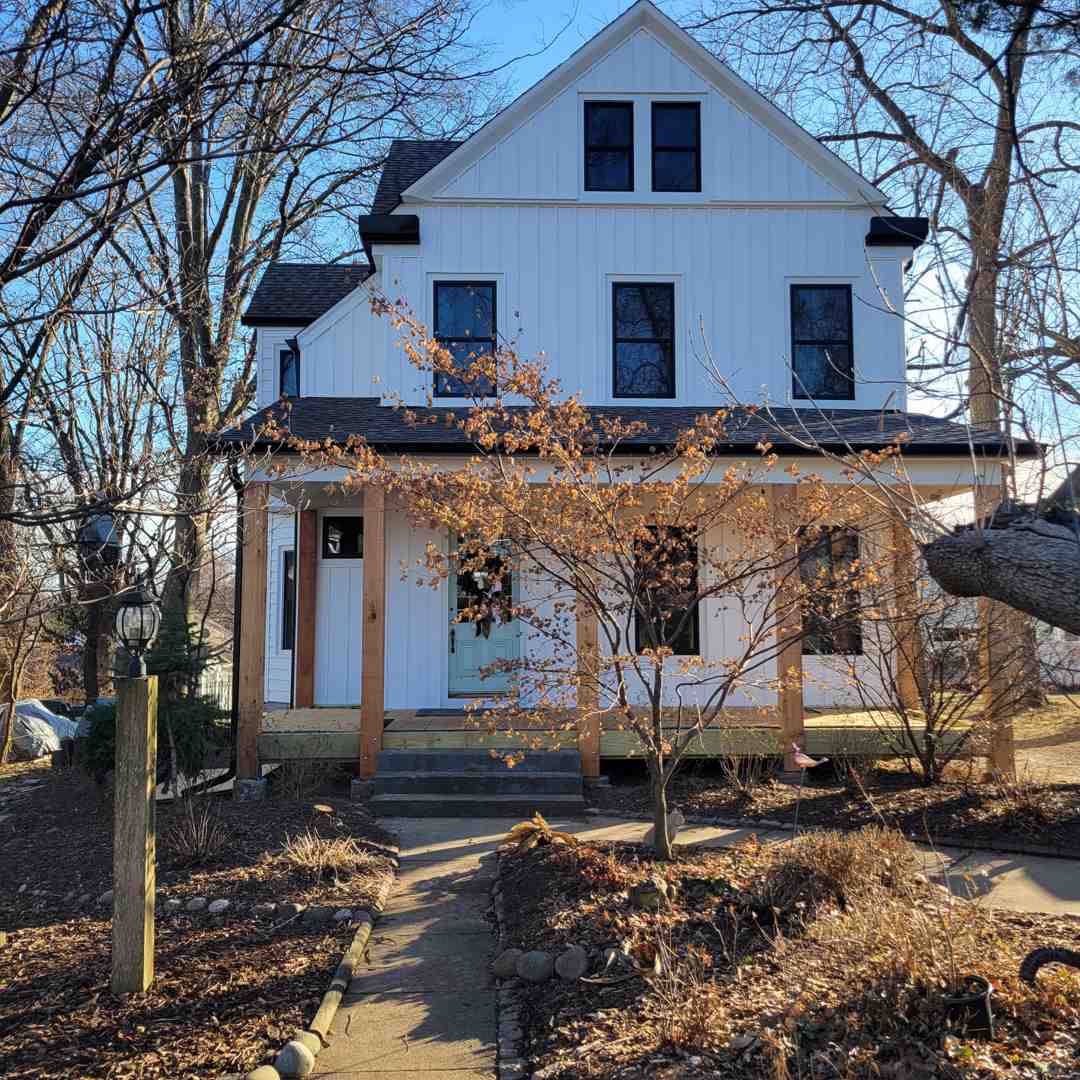
- Double-Hung Windows: The most popular style in America. Both the top and bottom sashes move up and down, and most modern versions tilt inward so you can clean the exterior glass from inside your air-conditioned living room.
- Casement Windows: These windows are hinged on one side and crank outward like a door. Because the sash presses firmly against the frame when closed, casement windows offer some of the tightest seals against wind infiltration.
- Sliding Windows: These glide horizontally along a track. They are perfect for wide openings and offer a clean, unobstructed view.
- Picture Windows: These are fixed, non-operational windows designed solely to let in light and frame a beautiful view. Since they don’t open, they are incredibly energy-efficient.
Advanced Glass Features
While the frame holds the window together, the glass package does the heavy lifting when it comes to keeping your home comfortable. Modern windows use double- or triple-pane glass units filled with insulating gases.
- Low-E Glass Coatings: Low-Emissivity (Low-E) coatings are microscopically thin metallic layers applied to the glass. They act like a two-way mirror for heat energy. In the summer, they reflect outdoor heat away from your home; in the winter, they bounce your indoor furnace heat back inside. Low-E coatings also block over 75% of damaging UV rays, preventing your carpets, hardwood floors, and furniture from fading.
- Argon and Krypton Gas Fills: Instead of regular air, high-quality windows feature dense, non-toxic gases sealed between the glass panes. Argon and krypton gases have much lower thermal conductivity than air, meaning they slow down the transfer of heat through the glass.
- Warm-Edge Spacers: These are the structural components that keep the glass panes spaced perfectly apart. Traditional metal spacers conduct cold easily, leading to condensation and ice buildup along the edges of your windows. Modern warm-edge spacer systems use non-metallic, insulated materials to keep the edges of the glass warm and dry.
Installation Methods: Pocket vs. Full-Frame Replacement
Even if you buy the absolute highest-rated, most expensive window on the market, it will perform terribly if it is installed poorly. When replacing your windows, you have two main installation routes to choose from.
When to Choose Pocket Replacement
Pocket replacement (sometimes called “insert” window installation) is when a new window frame is slid directly into the existing wood frame of your old window.
This method is highly appropriate when:
- Your existing exterior trim, interior casing, and window frame are structurally sound, completely square, and free of rot.
- You want to preserve your home’s original interior woodwork and historic trim.
- You want a fast, minimally invasive installation process.
- You are working on a tighter budget, as pocket replacements require less labor and fewer materials.
That because you are putting a frame inside another frame, pocket windows will slightly reduce your total glass viewing area.
When to Choose Full-Frame Replacement
Full-frame replacement involves stripping the old window entirely down to the rough stud opening. The window, frame, trim, and exterior flashing are all removed and replaced with brand-new materials.
This method is necessary when:
- The existing wood frame is rotting, water-damaged, or structurally out of square.
- You want to maximize your glass viewing area.
- You want to change the style or size of the window opening (e.g., turning a double-hung window into a scenic picture window).
- You want to ensure that the insulation and flashing around the window cavity are completely updated to prevent hidden water leaks.
Cost of Replacement Windows and Long-Term Energy Savings
Let’s talk numbers. Window replacement is a significant home improvement investment, but it pays dividends in comfort, home value, and monthly utility savings.
- Average Cost: The national average price to have a professional replace a single window is roughly $800, with standard projects ranging from $300 to $3,000 per window depending on the size, material, and brand.
- Labor Costs: Professional installation labor typically accounts for $100 to $300 of that per-window cost.
- Resale Value: Replacing old windows offers a great return on investment if you decide to sell your home. You can expect to recoup about 67% of the cost of vinyl windows and 63% of the cost of wood windows in your home’s selling price.
- Energy Savings: Installing Energy Star certified windows saves homeowners an average of 13% on heating and cooling costs. In our local climate zone, replacing 10 drafty, single-pane windows with modern, energy-efficient models can save you hundreds of dollars every single year.
To get a complete breakdown of what goes into these prices, check out The Ultimate Guide to Window Replacement Cost.
Frequently Asked Questions about House Windows
How much do replacement windows cost on average?
On average, a professional window replacement costs about $800 per window, including materials and labor. Basic vinyl windows can run as low as $300 to $500, while premium custom wood, composite, or architectural aluminum windows can range from $1,500 to $3,000 or more depending on size and configuration.
Can energy-efficient windows really lower my utility bills?
Yes! Replacing old, drafty single-pane windows with modern Energy Star certified double-pane windows can cut your heating and cooling costs by an average of 13%. Over the course of a decade, those monthly savings add up to thousands of dollars back in your pocket.
How do I know if my windows need to be replaced before winter?
Keep an eye out for these six common warning signs:
- Drafts or cold spots near the window glass on windy days.
- Unexplained increases in your monthly heating and cooling bills.
- Condensation or fogging trapped between the double glass panes (this indicates a failed seal).
- Difficulty opening, closing, or locking the windows.
- Visible damage, soft spots, or rot on the wood frames or sills.
- Excessive outdoor noise leaking into your home.
Conclusion
Upgrading your home with the best house windows is one of the smartest investments you can make for your property’s comfort, efficiency, and long-term value. However, the brand and materials you choose are only half of the equation—flawless, professional installation is what guarantees those windows will perform beautifully for decades to come.
At Martin & Sons LLC, we have spent more than 35 years serving our neighbors across the Greater St. Louis area, including St. Peters, St. Charles, Florissant, Chesterfield, Creve Coeur, Maryland Heights, and O’Fallon. We do things a little differently to give you total peace of mind:
- No upfront deposits: You don’t pay us a single dime until the job is 100% complete and you are completely satisfied.
- Lifetime labor warranties: We stand behind our craftsmanship for the long haul.
- Best prices upfront: No high-pressure sales games, just honest, competitive pricing from day one.
If you are ready to let the sunshine in and make your home draft-free, we would love to help. Visit our office at 8460 N. Lindbergh Blvd. Suite 11, Florissant, MO 63031, or reach out to us online to schedule your free estimate.
Ready to take the next step? Choose the Right Windows and Doors with Martin & Sons LLC and let our family take care of yours!